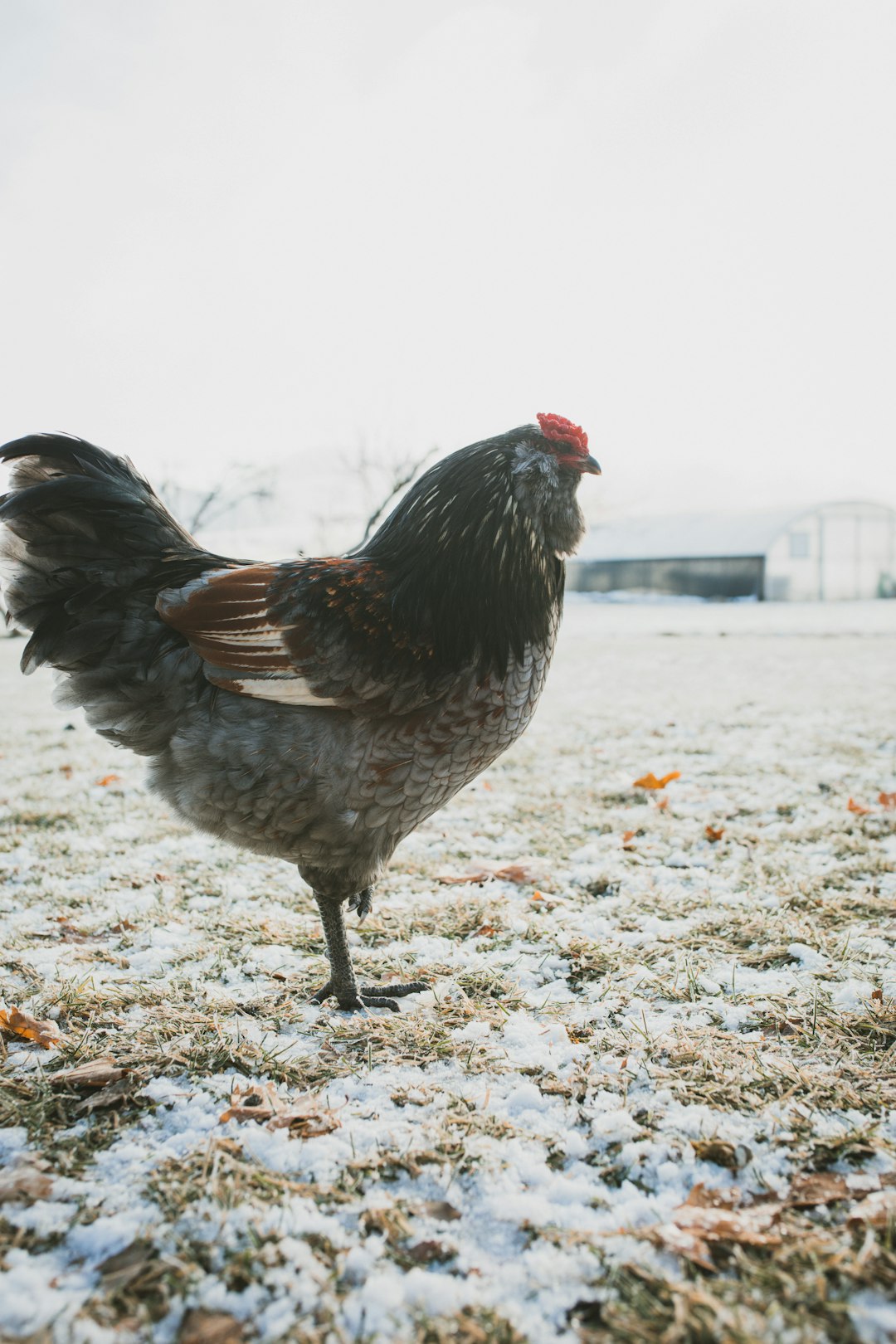
Are you worried about your chickens braving the biting cold? When the temperature drops, it’s natural to wonder if your feathery friends can handle freezing weather.
You care deeply for their well-being, and the thought of them shivering through a frosty night might keep you up. But don't fret just yet. Understanding how chickens cope with cold climates can offer peace of mind and ensure your flock stays healthy and happy all winter long.
Dive into this article to discover practical tips and surprising insights that will empower you to protect your chickens from the chill. Your chickens’ comfort and safety depend on it, and by the end, you'll be equipped with the knowledge to keep them snug and thriving, no matter how low the mercury dips.
Chickens' Cold Tolerance
Chickens are hardy creatures, surprisingly tolerant to cold weather. Their bodies are equipped with natural defenses that help them withstand freezing temperatures. Understanding how these defenses work is crucial for keeping your flock healthy during the winter months.
Chickens' Feather Insulation
Feathers play a vital role in keeping chickens warm. They trap air close to the body, creating a layer of insulation. This prevents body heat from escaping into the cold air. During winter, chickens fluff their feathers to increase this insulating effect.
Natural Body Heat Production
Chickens generate heat through metabolic processes. This natural heat production helps maintain their body temperature. A well-fed chicken can produce more heat, keeping itself warmer in cold conditions.
Importance Of Roosting
Roosting helps chickens stay warm at night. They huddle together on perches, sharing body heat. Elevated roosts also keep them away from cold ground surfaces.
Adaptability To Cold Weather
Chickens can adapt to freezing weather over time. As temperatures drop gradually, their bodies adjust to the cold. This adaptation improves their cold tolerance significantly.
Breeds With High Cold Tolerance
Some chicken breeds handle cold weather better than others. Breeds like Orpingtons and Wyandottes have dense feathers. These breeds are more suited to surviving in freezing temperatures.
Preparing The Coop
Preparing the chicken coop for freezing weather is crucial. Chickens are resilient, but they need a warm environment. A well-prepared coop ensures their safety and comfort during winter. This involves good insulation, proper ventilation, and suitable bedding.
Insulation Techniques
Insulation keeps the coop warm. Use foam boards on the walls. These help maintain a stable temperature inside. Straw bales can also be effective. Place them around the outside of the coop. This creates a windbreak. Ensure the roof is insulated as well. A well-insulated roof prevents heat loss.
Ventilation Importance
Ventilation prevents moisture buildup. Moisture can cause frostbite in chickens. Open small vents high up in the coop. These allow humid air to escape. Avoid drafts at chicken level. Drafts make chickens cold. Proper ventilation keeps air fresh and dry.
Bedding Choices
Bedding provides warmth and comfort. Straw is an excellent choice. It insulates and absorbs moisture. Wood shavings are also good. They are soft and easy to clean. Change bedding regularly to keep the coop hygienic. Clean bedding keeps chickens healthy.
Feeding And Hydration
Winter brings challenges for chicken keepers. Feeding and hydration are crucial. Chickens need proper nutrition and water to survive cold temperatures. Adjusting their diet and ensuring they have unfrozen water can make a big difference.
High-calorie Diets
Chickens need extra calories in winter. High-calorie diets help maintain body heat. Provide grains like corn and oats. These grains are energy-rich and help chickens stay warm. Protein is vital too. Offer mealworms or cooked eggs. These boost energy levels. Fat content is also important. Add sunflower seeds or peanuts to their diet. Fats help sustain warmth.
Preventing Water Freeze
Water freezing is common in winter. Chickens need liquid water to stay hydrated. Use heated water containers to prevent freezing. These keep water above freezing temperatures. Change water regularly. Fresh water helps maintain hydration. Insulate water containers. Use straw or hay around them. This slows down freezing. Place water containers in sunny spots. Sunlight can help keep water warmer.
Health Monitoring
Chickens can survive freezing weather with proper care. Insulating their coop helps keep them warm. Ensuring access to unfrozen water and nutritious food is essential. Their feathers provide natural insulation, aiding in maintaining body heat. Regular health monitoring ensures they stay healthy during cold months.
Monitoring the health of your chickens in freezing weather is crucial. Cold temperatures can affect their well-being, leading to serious health issues if not addressed promptly. By keeping a close eye on their condition, you can ensure they stay safe and healthy during the winter months.
Signs Of Cold Stress
Chickens exhibit clear signs when they're feeling the cold. Look for puffed-up feathers, as they try to trap more body heat. Are they huddled together more than usual? This could indicate they’re trying to share warmth. Lethargy and decreased appetite are also red flags. If you notice these signs, your chickens might be experiencing cold stress.
Frostbite Prevention
Frostbite is a real threat to chickens in freezing weather. Their combs, wattles, and feet are particularly vulnerable. Ensure their coop is draft-free but well-ventilated. This balance helps keep humidity low, reducing frostbite risk. Applying petroleum jelly on exposed skin areas can offer an additional layer of protection. Have you tried adjusting their diet? Feeding them slightly more can help them generate extra body heat. Regular checks are essential. Wouldn’t you want someone to look out for you in the cold? By prioritizing health monitoring, you’re not only protecting your chickens but also ensuring they thrive, regardless of the weather.
Weatherproofing Strategies
Weatherproofing your chicken coop is vital in freezing weather. Chickens can survive cold temperatures, but they need help. Proper weatherproofing ensures their safety and comfort. Different strategies can keep your flock warm. Explore these methods to provide a cozy environment for your chickens.
Using Heat Lamps
Heat lamps can provide much-needed warmth. Place them in safe spots inside the coop. Ensure they are securely installed to avoid accidents. Choose lamps with protective covers to prevent burns. Monitor the temperature to avoid overheating. A thermostat can help maintain a steady warmth level.
Windbreaks And Shelter
Strong winds can lower temperatures inside the coop. Creating windbreaks is a simple yet effective solution. Use materials like tarps or wooden panels as barriers. Position them outside the coop to block the wind. Ensure there is adequate ventilation to prevent moisture buildup. Provide a sturdy shelter where chickens can escape harsh weather. Keep the shelter dry and insulated. Bedding like straw or wood shavings can add extra warmth.
Behavioral Adaptations
Chickens can endure freezing weather through behavioral adaptations. They huddle together for warmth and fluff their feathers for insulation. This natural behavior helps them retain heat and survive cold climates.
Chickens, like many other creatures, have developed behavioral adaptations that help them endure the cold. Observing how they behave during freezing weather can provide valuable insights into their survival tactics. Understanding these behaviors can not only help you care for your flock better but also appreciate the resilience of these fascinating birds.
Group Dynamics
Chickens instinctively huddle together when temperatures drop. This close proximity creates a shared warmth that helps them maintain body heat. It's a natural strategy that reduces heat loss and keeps them comfortable in chilly conditions. Have you ever noticed how your flock seems to form tighter clusters during cold spells? This isn't just a random occurrence. Their group dynamics play a crucial role in their survival. By sticking together, they create a mini microclimate that is significantly warmer than the outside air. If you have a large flock, they might split into smaller groups based on pecking order. Watch how they choose their huddling partners. It’s not just about staying warm but also about maintaining social harmony.
Natural Warmth Sources
Chickens are also experts at finding natural warmth sources. During sunny days, you might see them basking in the sun, absorbing as much heat as possible. This behavior is not just about comfort; it’s a strategic move to raise their body temperature. Do you have sheltered areas in your coop where sunlight streams in? Your chickens will likely gather there, utilizing every bit of solar energy available. It’s fascinating to see how they instinctively know where to find warmth. Additionally, chickens will often seek out windbreaks or areas with natural insulation. They understand the landscape and use it to their advantage. Are there any cozy corners in your coop or run? These spots might become prime real estate for your birds during cold snaps. By observing these behaviors, you can learn how to enhance your chickens' living conditions. Are you making the most of their natural instincts? Understanding their behavioral adaptations can lead to a happier and healthier flock.
Frequently Asked Questions
Can Chickens Tolerate Freezing Temperatures?
Yes, chickens can tolerate freezing temperatures with proper care. Their feathers provide good insulation. Ensure they have a draft-free coop and sufficient bedding to stay warm. Providing extra food will help them generate body heat, and fresh water is crucial to prevent dehydration during cold weather.
How Do You Winterize A Chicken Coop?
Winterizing a chicken coop involves sealing drafts and ensuring proper ventilation. Add extra bedding, like straw or wood shavings, for insulation. Use a heat lamp cautiously to avoid fire hazards. Ensure the water supply doesn't freeze by using heated waterers or changing the water regularly.
What Should Chickens Eat In Cold Weather?
In cold weather, increase chickens' feed to help them produce body heat. Offer high-energy grains like corn and oats. Supplement their diet with protein-rich treats like mealworms. Ensure access to fresh water and consider adding poultry vitamins to support their immune system during winter.
Do Chickens Need A Heat Lamp In Winter?
Chickens generally don't need a heat lamp in winter if they're healthy and the coop is well-insulated. Over-relying on heat lamps can make them less cold-tolerant. Only use heat lamps in extreme cold and ensure they are safely installed to prevent fire hazards.
Conclusion
Chickens can live through cold weather with proper care. Keep them warm. Provide shelter against wind and snow. Ensure their coop is insulated. Feed them nutritious food for energy. Fresh water is crucial. Check water doesn't freeze. Use bedding like straw for warmth.
Monitor their health daily. Act quickly if they seem ill. Happy chickens survive winter. Your efforts make a big difference. Stay attentive to their needs. Enjoy watching them thrive even in the cold. Remember, preparation is key. Protect your flock for a safe winter season.