When the summer sun blazes down, you might find yourself wondering how your furry friend is coping with the heat. Cats are known for their cool demeanor, but can they really handle hot weather?
As temperatures rise, it's crucial to understand how your beloved pet manages the heat and what you can do to ensure their comfort and safety. This article will dive into the signs of overheating in cats, practical tips to help your feline friend stay cool, and the surprising ways cats naturally adapt to warmer climates.
Stick with us, and you'll learn how to keep your cat happy and healthy, even when the thermometer climbs.
Cat Physiology And Heat Tolerance
Cats possess unique physiology that helps them manage hot weather. Their bodies have efficient cooling systems, including sweat glands in their paws. Despite this, extreme heat can still pose risks, so providing shade and water is essential.
Cats are fascinating creatures, and their ability to endure varying weather conditions is a testament to their unique physiology. Understanding how cats handle hot weather can help you ensure your feline friend stays comfortable during those sweltering months. Let's dive into how cats regulate their body temperature and their natural cooling mechanisms.
Body Temperature Regulation
Cats are masters at maintaining a stable body temperature. Their average body temperature ranges between 100.5°F and 102.5°F. When the temperature rises, your cat’s body works hard to keep their internal temperature steady. They do this through panting, which might seem strange but is quite effective. Interestingly, unlike humans, cats don't sweat much. They only sweat through their paws, which is not enough to cool them down.
Natural Cooling Mechanisms
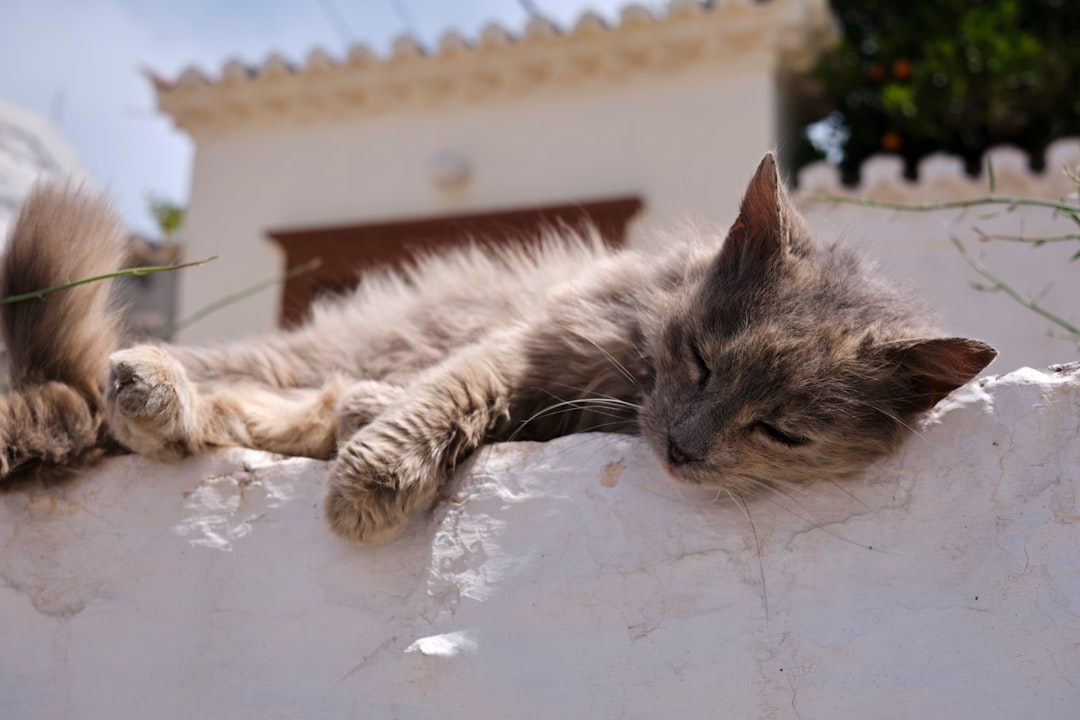
Cats have evolved clever ways to manage heat. You'll often find them lounging in shaded areas or on cool surfaces like tiles. This is their instinctual way of avoiding excessive heat. Another natural cooling technique is grooming. When cats lick their fur, the saliva evaporates, providing a cooling effect similar to sweating. Have you ever noticed your cat stretching out or lying flat on their belly? This posture increases their surface area, helping them dissipate heat more efficiently. Now, here's a question for you: Do you think your cat's favorite spot is chosen for comfort or for its cooling benefits? Observing their behavior can offer insights into their heat management tactics. Engaging with these aspects of cat physiology not only enhances your understanding but also helps you create a comfortable environment for your pet. How will you ensure your cat stays cool when the temperature climbs?
Signs Of Heat Stress In Cats
Cats can struggle in hot weather, showing signs like panting and drooling. Watch for lethargy or red gums, as these could indicate heat stress. Ensure your feline friend stays cool and hydrated to help them handle the heat.
Understanding the signs of heat stress in cats is crucial for their well-being, especially during sweltering summer months. Cats, much like humans, can struggle in extreme heat. They can't tell you when they're overheating, so it's up to you to recognize the warning signs. Knowing these indicators can help you take immediate action to keep your feline friend safe and comfortable.
Physical Symptoms
Your cat's body will often show signs of distress in hot weather. Heavy panting is one of the first signs. Unlike dogs, cats rarely pant; if they do, it's a sign they’re struggling. Rapid heart rate and elevated body temperature are also indicators. You might notice your cat's gums turning a pale or bright red color. Excessive drooling is another symptom. Cats usually have dry mouths, so if you see drool, it's time to cool them down.
Behavioral Changes
Watch how your cat behaves during hot spells. Lethargy is common—your cat might seem unusually tired and unwilling to move. They might seek cooler places, like the bathroom floor or under furniture. This isn't just a quirky behavior; it's an attempt to escape the heat. Restlessness can also be a sign. If your usually calm cat starts pacing or appears agitated, it could be due to discomfort from the heat. A few years back, I noticed my cat hiding under the bed during a particularly hot day. It turned out he was trying to find a cooler spot away from direct sunlight. Have you ever wondered if your cat's behavior is more than just a quirk? Recognizing these signs can make a difference in your cat's health during hot weather. Stay proactive by ensuring your cat has access to water and a cool environment. Have you checked if your fan is reaching their favorite spot? These small actions can prevent heat stress before it begins.
Preventive Measures
Cats are sensitive to heat. High temperatures can lead to heatstroke. Owners must ensure their furry friends stay safe. Understanding preventive measures is essential. These steps help cats survive hot weather. Hydration and cool spaces are key.
Hydration Techniques
Water is vital for cats. It keeps them healthy and cool. Always provide fresh water. Use wide bowls. Cats prefer them. Add ice cubes for extra coolness. Wet food can increase water intake. Cats often eat less in heat. Encourage drinking with water fountains. Cats love moving water. It attracts them.
Cool Environment Strategies
Provide shaded areas. Keep cats indoors during peak sun hours. Use fans to circulate air. Air conditioning helps. Create cool resting spots. Use damp towels or mats. Cats can lie on them. Avoid direct sunlight. Close curtains or blinds. Open windows during cooler times. Ensure safe ventilation.
Emergency Actions For Overheated Cats
Cats can handle warm weather, but extreme heat is dangerous. Keep them cool by providing shade and water. Recognize signs of overheating like excessive panting, and act fast.
Cats are known for their resilience, but extreme heat can be life-threatening. When temperatures soar, ensuring your feline friend stays cool becomes critical. Spotting the early signs of overheating and acting swiftly can make a significant difference. Let’s explore some emergency actions you can take if your cat is overheating.
Immediate Cooling Methods
First, it’s crucial to lower your cat's body temperature quickly but safely. Move your cat to a cooler area immediately, preferably an air-conditioned room or a shaded spot. You can also use a damp cloth to gently pat your cat's fur, focusing on the paws, belly, and armpits. Be careful not to immerse your cat in cold water, as this can cause shock. Another effective method is to use a fan to increase air circulation around your cat. Hydration is key, so encourage your cat to drink water. If your cat refuses, you might try offering a tuna-flavored ice cube to lick.
When To Seek Veterinary Help
It's vital to monitor your cat closely during the cooling process. If your cat doesn’t improve within a few minutes, or if they exhibit symptoms like vomiting, lethargy, or difficulty breathing, it’s time to contact a vet. Remember, a quick response can be the difference between a safe recovery and a dangerous situation. Never hesitate to seek professional help if you are unsure about your cat’s condition. Have you ever experienced a heatwave where your cat showed signs of distress? Knowing when to act and when to call for help can save your cat’s life. Your awareness and prompt action are essential in these situations.
Long-term Heat Adaptation
When the mercury rises, your feline friend might seem unbothered, but can cats really handle the heat long-term? Just like humans, cats can adapt to warm climates over time. However, this doesn't mean they are immune to the effects of hot weather. Understanding how to support your cat's long-term adaptation to heat can help keep them comfortable and healthy.
Dietary Considerations
Adjusting your cat's diet can play a crucial role in helping them adapt to hotter climates. Hydration is key, so include wet food in their diet to increase water intake. You might also consider adding ice cubes to their water dish to keep it cool and refreshing.
Have you ever noticed your cat's appetite decrease in the summer? It's normal. Cats may eat less in hot weather, so offering small, frequent meals can be more appealing.
Exercise Adjustments
Physical activity is important for your cat’s well-being, but it's essential to modify exercise routines during hot weather. Schedule playtime during cooler parts of the day, like early morning or late evening. This minimizes the risk of overheating.
Observe your cat’s behavior. Are they less active or seeking out cooler spots? This is their way of coping with the heat, and it’s important to respect their pace. Encourage gentle play instead of vigorous activities to prevent exhaustion.
What changes have you noticed in your cat’s behavior during hot weather? Recognizing these signs and adjusting accordingly can make a world of difference. Your awareness and proactive approach can ensure your feline friend thrives, even when the temperatures soar.
Frequently Asked Questions
How Do Cats Handle High Temperatures?
Cats are naturally adept at managing heat. They seek shade, stay hydrated, and rest during peak heat. Their fur acts as insulation, keeping them cool. However, during extreme temperatures, they need extra care to prevent heat-related health issues.
Can Cats Suffer From Heatstroke?
Yes, cats can suffer from heatstroke. It's vital to ensure they have access to cool areas and water. Symptoms include excessive panting, lethargy, and drooling. Immediate veterinary attention is crucial to prevent serious health complications.
What Signs Show A Cat Is Overheated?
Signs of overheating in cats include rapid breathing, drooling, and lethargy. They may also seek cool surfaces. If you notice these signs, help them cool down immediately and consult a vet if needed.
How Can I Keep My Cat Cool In Summer?
Keep your cat cool by providing fresh water and shaded areas. Use fans or air conditioning to maintain a comfortable temperature. Grooming helps manage fur-related heat issues. Consider cooling mats or wet towels for extra relief.
Conclusion
Cats can handle some heat, but watch for signs of distress. Keep them cool with fresh water and shade. Fans or air conditioning help a lot. Always ensure they have a cool place to rest. Check their behavior for signs of overheating.
Panting or lethargy can indicate trouble. A cool towel or mist can provide relief. Stay aware, and your cat will stay safe. Your furry friend depends on you. Keep them comfortable, and they'll thrive, even in hot weather. With care, cats can enjoy summer too.