Have you ever wondered if your fluffy friend can handle the chill of winter? As temperatures drop, it's natural to worry about how cold weather might affect your rabbit's well-being.
You're not alone in this concern. Many rabbit owners find themselves asking the same question: Can a rabbit survive in cold weather? Imagine your rabbit, cozy and warm, hopping around with a little extra pep in its step, even when the frost sets in.
It's possible! Understanding how rabbits cope with colder climates can make all the difference in ensuring their safety and comfort. You might be surprised at how resilient these little creatures can be. You'll discover practical tips to help your rabbit thrive during the cold months. You'll learn about their natural adaptations and how to create a snug environment for them. Stick with us, and by the end, you'll feel confident and prepared to keep your rabbit happy and healthy, no matter how cold it gets outside. Ready to dive in? Let's ensure your bunny stays warm and content all winter long!
Rabbit Adaptations To Cold
Rabbits adapt to cold through thick fur and fat layers for warmth. Burrowing helps them escape chilly winds. These adaptations support their survival in winter.
Rabbits are delightful creatures known for their adaptability to various environments. But can they survive in cold weather? As temperatures drop, rabbits employ fascinating adaptations to ensure their survival. Understanding these adaptations not only highlights the resilience of rabbits but also provides insights for better care during chilly months.
Fur Coats: Nature’s Insulation
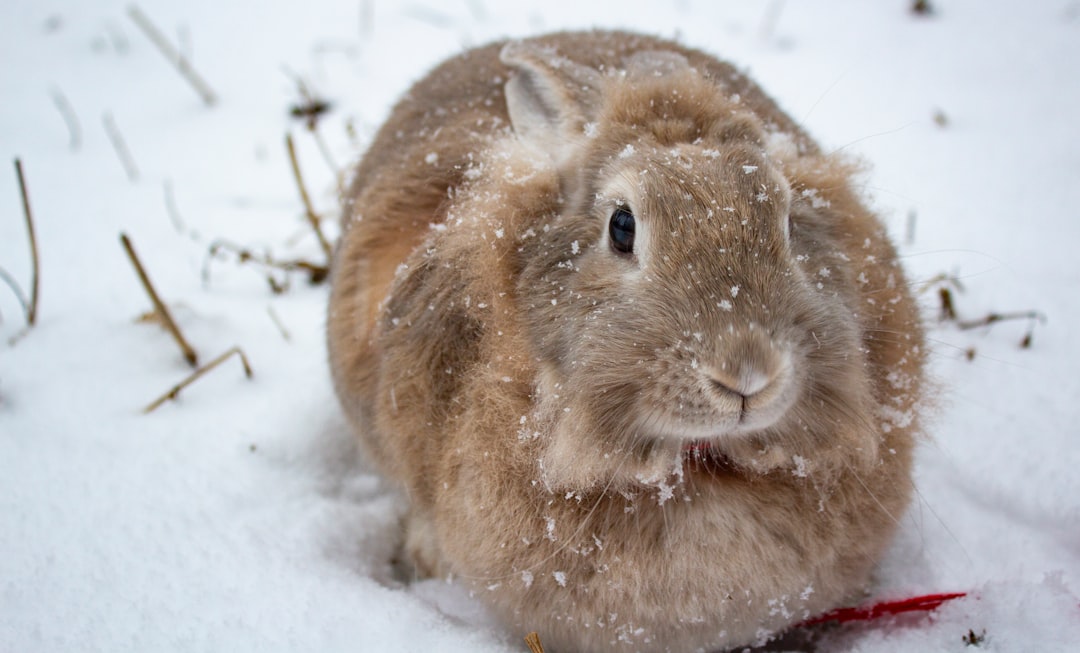
Rabbits grow thicker fur during the winter months. This natural insulation keeps them warm even in freezing temperatures. It's like wearing a cozy sweater. The fur also repels moisture, ensuring they stay dry. If you have a pet rabbit, consider checking its fur regularly for any signs of dampness.
Burrowing Habits
Rabbits are excellent diggers. They create burrows that serve as warm shelters from the cold. These burrows maintain a stable temperature, protecting them from icy winds. If you observe wild rabbits, you'll notice they often vanish into the ground. This is their natural instinct to seek warmth and safety. Do you have a garden? Consider leaving some areas undisturbed for rabbits to burrow.
Diet Adjustments
Rabbits adjust their diet to prepare for cold weather. They consume more fibrous foods that provide energy and help maintain body heat. If you're caring for a pet rabbit, ensure its diet includes high-quality hay and pellets. This keeps them energized and healthy throughout winter.
Behavioral Changes
Rabbits tend to be less active in cold weather, conserving energy. They rest more to maintain body warmth. Have you noticed your rabbit being a bit lazier during winter? It's a natural adaptation to preserve energy. Make sure its habitat is warm and inviting to encourage comfort.
Social Interaction
Rabbits often huddle together for warmth. This social behavior is crucial for survival in the wild. If you have multiple rabbits, you'll see them snuggling during colder months. This not only keeps them warm but also strengthens their bond. Do your rabbits cuddle more in winter? Understanding these adaptations can help you ensure your rabbit stays healthy and comfortable during cold weather. What steps will you take to prepare your rabbit for the chilly season?
Identifying Cold-resistant Breeds
Choosing the right rabbit breed is crucial for cold weather survival. Some breeds thrive better in chilly climates. These breeds have special traits. Thick fur, strong bodies, and adaptability make them ideal. This section will explore cold-resistant rabbit breeds.
American Chinchilla
The American Chinchilla is a popular cold-resistant breed. It has dense, soft fur that provides warmth. These rabbits are medium-sized and have a calm nature. Their strong build and fur coat protect them from cold temperatures.
Flemish Giant
Flemish Giants are large and robust rabbits. They are well-suited for cold climates. With their thick fur, they stay warm in winter. Their calm and gentle disposition makes them easy to handle.
French Lop
French Lops are another cold-resistant breed. They have long, dense fur that keeps them warm. Their large size and gentle temperament make them a favorite among rabbit owners. They adapt well to cold environments.
New Zealand
New Zealand rabbits are known for their hardiness. They have a thick fur coat that provides insulation. These rabbits are medium-sized and friendly. They can withstand cold temperatures with ease.
Mini Rex
Mini Rex rabbits are small but resilient. Their fur is plush and velvet-like, offering warmth. They are curious and social, making them delightful pets. Despite their size, they adapt well to cold weather.
These breeds can thrive in colder climates. They have traits that help them survive in low temperatures. Choosing the right breed ensures your rabbit stays healthy and comfortable.
Preparing Outdoor Hutches
Rabbits can live in cold weather with proper outdoor hutches. Insulating the hutch keeps them warm. Provide straw bedding to ensure comfort. Ensure the hutch is waterproof and windproof. Regularly check their water supply to prevent freezing.
Preparing your outdoor rabbit hutch for winter is crucial to ensure your furry friend stays warm and healthy. A rabbit's ability to withstand cold weather largely depends on how well you prepare their living environment. By focusing on insulation techniques and proper positioning, you can create a cozy haven that shields them from harsh weather conditions.
Insulation Techniques
Insulating your rabbit's hutch is essential to keep them comfortable during colder months. Start by adding layers of straw or hay inside the hutch, as these materials trap heat effectively. Cover the hutch with weatherproof tarps or blankets, ensuring they are securely fastened to prevent any gaps where cold air might sneak in. Draft-proofing is another important step. Use materials like plastic sheets or cardboard to block any openings or cracks. You can also line the walls with thick blankets or thermal insulation panels for extra warmth. Consider placing a wooden box or nesting area inside the hutch to give your rabbit a snug space to retreat into.
Positioning For Shelter
Where you place the hutch can make a significant difference in how well it protects your rabbit from the elements. Choose a location that offers natural windbreaks, like a wall or fence. Position the hutch away from direct wind paths and avoid low-lying areas that might accumulate moisture or snow. If possible, elevate the hutch slightly off the ground using bricks or wooden pallets. This prevents cold drafts from seeping in from below and reduces dampness. Ensure the entrance of the hutch faces away from prevailing winds to minimize exposure. Have you considered adding a cover or roof extension to shield the entrance? This can prevent rain and snow from entering directly. Remember, a well-positioned hutch not only keeps your rabbit warm but also provides them with a sense of security. By focusing on these practical steps, you can ensure your rabbit thrives, even when the temperature drops. Are there any other strategies you have found effective in preparing outdoor hutches?
Nutrition For Winter
Rabbits need extra care in winter to stay healthy. Nutrition plays a vital role in their survival. Providing the right nutrients helps rabbits maintain their body heat. This section will guide you on feeding rabbits during cold weather.
High-calorie Diets
Rabbits burn more calories in the cold. They need a high-calorie diet to stay warm. Offer foods rich in calories like oats and alfalfa hay. These provide the energy needed for warmth. Fresh vegetables are also vital. Carrots and kale are great choices. They add necessary vitamins and minerals. Adjust portions to prevent weight gain.
Hydration In Cold Weather
Water is crucial for rabbits, even in winter. Cold temperatures can freeze their water supply. Check water bowls regularly to ensure they are not frozen. Use heated water bowls if possible. Provide fresh water daily to keep rabbits hydrated. Moist foods can also help. Offer wet greens to increase water intake. Monitor their drinking habits for any changes.
Recognizing Signs Of Cold Stress
Rabbits are sensitive to cold weather. They can suffer in extreme cold. Knowing the signs of cold stress is crucial. This helps in taking timely action. Understanding these signs ensures your rabbit stays safe and healthy. Let's explore the behavioral and physical indicators of cold stress in rabbits.
Behavioral Changes
Rabbits may become less active in cold weather. They might huddle in a corner or stay close to each other for warmth. A stressed rabbit might stop grooming itself. Reduced appetite is another sign. If a rabbit shows these changes, it could be stressed by the cold.
Physical Symptoms
Look for physical signs of cold stress in rabbits. Their fur may appear puffed up as they try to stay warm. Shivering is a clear indicator of cold. Cold ears and feet suggest poor circulation. If a rabbit's body feels cold, it needs warmth immediately. These symptoms require quick attention to prevent hypothermia.
Providing Indoor Safety
As temperatures drop, rabbits need extra care to stay safe. Cold weather can be harsh on these sensitive creatures. Providing indoor safety ensures they remain warm and healthy during chilly months. Creating a cozy environment indoors can make all the difference for your furry friend.
Creating Indoor Spaces
Designate a quiet, safe area for your rabbit. Use a spare room or a peaceful corner. Ensure this space is free from drafts. Line the area with soft bedding to provide warmth. Use hay or straw to insulate their sleeping spot. Provide hiding places like boxes or tunnels. These offer comfort and security. Ensure the space is escape-proof. Rabbits are curious and can squeeze through small gaps.
Transitioning Indoors
Move your rabbit indoors gradually. Sudden changes can stress them. Start by bringing them inside for short periods. Increase indoor time each day. Let them explore their new environment slowly. Provide familiar items like toys or blankets. This eases their transition. Monitor their behavior closely. Signs of stress include hiding or refusing food. Adjust the indoor setup if needed to ensure comfort.
Emergency Measures For Extreme Cold
Extreme cold can be dangerous for rabbits, requiring emergency measures to ensure their safety. Provide insulated shelter and straw bedding to help maintain warmth. Monitor closely for signs of distress such as shivering and lethargy.
Surviving cold weather can be a challenge for rabbits, especially when temperatures drop drastically. Their fluffy fur provides some protection, but during extreme cold, they need extra help to stay warm and safe. Understanding emergency measures can make a difference between your rabbit being snug and suffering from cold stress. Have you ever wondered how to make sure your furry friend is comfortable when the mercury drops? Let’s explore some practical steps you can take.
Heat Sources
Keeping your rabbit warm requires reliable heat sources. A simple solution is using a pet-safe heating pad. These pads can be placed in your rabbit's enclosure to provide consistent warmth. Make sure the pad is covered with fabric to prevent burns. You can also consider heat lamps. These are excellent for providing warmth, but they should be used with caution. Always ensure they are safely positioned to prevent overheating or accidents. Have you ever thought about how your rabbit's natural behavior can be a clue to their needs? If they frequently cuddle near the heat source, they might need more warmth.
Temporary Shelters
Creating temporary shelters is crucial during extreme cold. A cardboard box lined with hay can provide insulation. Add blankets for extra warmth. This simple setup can be a life-saver. Use old towels or fleece to enhance comfort. Make sure the shelter is draft-free. You’d be surprised how much warmth a well-insulated hideaway can offer. Consider placing the shelter in a garage or shed, if possible. This offers additional protection from wind and snow. Are you prepared to create a cozy retreat for your rabbit when temperatures plummet?
Frequently Asked Questions
How Do Rabbits Stay Warm In Winter?
Rabbits have thick fur that insulates them against cold temperatures. They also burrow underground to escape harsh weather. Providing hay or straw in their living area helps them retain warmth.
Can Rabbits Live Outside In Cold Weather?
Yes, rabbits can live outside if they have proper shelter. A well-insulated hutch protects them from wind, rain, and snow. Ensure they have enough bedding to stay warm.
What Temperature Is Too Cold For Rabbits?
Temperatures below 20°F can be dangerous for rabbits. They risk frostbite or hypothermia in extreme cold. Always provide adequate shelter and warmth during winter months.
Should I Bring My Rabbit Indoors During Winter?
Bringing rabbits indoors is advisable during severe cold spells. Indoor temperatures should be stable, and rabbits need space to roam. Ensure they have a safe, warm spot.
Conclusion
Rabbits can handle cold weather with proper care. Shelter is crucial. It keeps them warm. Feed them nutritious food for energy. Fresh water helps them stay hydrated. Woolen blankets offer extra warmth. Monitor their health closely. Watch for any signs of distress.
Adjust their environment as needed. Regular checks ensure their safety. It's a commitment to care for them well. With love and attention, rabbits thrive even in the cold. Their survival depends on your dedication. Keep them cozy and healthy through winter's chill.
Your efforts ensure their well-being.