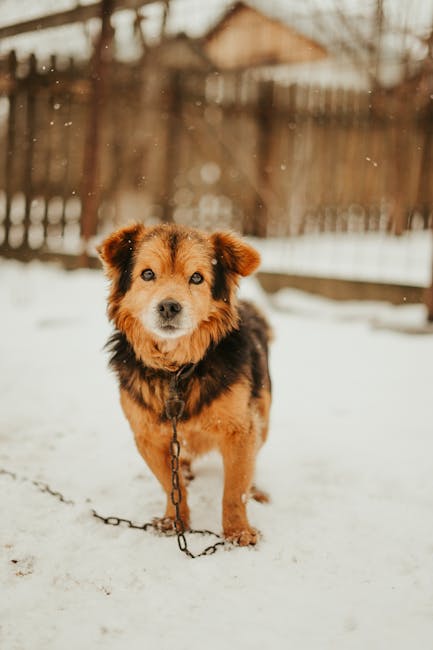
When the cold winds start to blow and temperatures drop, you might find yourself wondering, "Can my dog survive the cold weather?" This question is crucial for any dog owner who wants to ensure their furry friend stays safe and comfortable during the chilly months.
You care about your dog's well-being, and understanding how they cope with the cold can make all the difference. You'll discover essential tips and insights to keep your beloved pet protected. So, grab a cozy blanket, settle in, and let's explore how you can make winter a safe and enjoyable season for your four-legged companion.
Understanding Dog's Cold Weather Tolerance
Dogs have different tolerances for cold weather. Understanding these can help keep them safe. Some dogs love playing in the snow, while others shiver at the first cold breeze. Knowing your dog's limits is crucial. It depends on their breed, age, and health. Signs of cold stress should never be ignored.
Breed Differences
Not all breeds handle cold weather equally. Huskies and Malamutes thrive in snow and icy conditions. Their thick fur protects them from the cold. Smaller breeds like Chihuahuas feel the cold more. They lack the thick fur needed for warmth. Consider your dog's breed when assessing cold weather tolerance.
Age And Health Considerations
A dog's age affects its ability to handle cold. Puppies and older dogs struggle more in low temperatures. Their bodies cannot regulate heat as effectively. Health issues also play a role. Dogs with arthritis feel more pain in the cold. Always consider age and health when determining cold weather tolerance.
Signs Of Cold Stress
Recognizing cold stress signs can prevent serious issues. Shivering is a clear indicator. If your dog lifts its paws often, it may be too cold. Watch for whining or anxious behavior as well. These signs suggest your dog needs warmth. Respond quickly to protect your dog's health.
Preparing Your Dog For Winter
Winter can be challenging for our furry friends. Cold temperatures might affect dogs more than we think. Preparing your dog for winter ensures their comfort and safety. It involves a few steps that cater to their specific needs. With the right gear and care, your dog can enjoy winter without any discomfort.
Insulating Dog Clothing
Dog clothing provides warmth during cold months. Choose clothes made from wool or fleece. These materials are effective insulators. Ensure the clothing fits your dog well. It should cover their body without restricting movement. Look for jackets with adjustable straps. They help in providing a snug fit. Consider waterproof clothing for snowy conditions.
Winter Grooming Tips
Grooming is essential during winter. Keep your dog's coat clean and dry. Avoid shaving their fur short. Fur acts as natural insulation. Brush your dog regularly to remove tangles. This helps in maintaining their coat's health. Pay attention to their skin. Dry skin can be uncomfortable during winter. Use moisturizing shampoos if needed.
Paw Protection Strategies
Paws need special care in winter. Snow and ice can harm them. Use paw wax for protection. It forms a barrier against cold surfaces. Consider dog booties for walks. They keep paws warm and safe. After walks, check your dog's paws. Remove any ice or snow stuck between their pads. This prevents discomfort and injuries.
Safe Outdoor Activities
Winter brings a magical landscape for outdoor fun with your dog. Snowflakes, chilly air, and the crunch beneath paws can be delightful. Yet, safety is crucial for a good experience. Planning ensures your dog enjoys winter activities without risks. Keep them warm and secure by following simple guidelines.
Choosing The Right Time
Timing impacts your dog's comfort in cold weather. Choose midday for outdoor play. The sun is higher, reducing chill. Avoid early morning or late evening. Temperatures drop, increasing risks. Consider your dog's breed and fur length. Some tolerate cold better than others.
Monitoring Activity Duration
Limit time spent outdoors. Short bursts of activity maintain warmth. Watch for signs of discomfort. Shivering or whining may mean it's time to go inside. Start with brief sessions. Gradually increase duration as your dog adapts. Be mindful of energy levels. Cold can tire them faster.
Avoiding Ice Hazards
Ice poses dangers during winter outings. Slippery surfaces lead to injuries. Avoid areas prone to ice patches. Frozen ponds or lakes are risky. Dogs may fall through thin ice. Stick to paths and well-trodden areas. Inspect paws for ice buildup or cuts after walks.
Creating A Warm Indoor Environment
Creating a warm indoor environment is crucial for your dog's comfort. Dogs need cozy spaces during cold weather. Their health and happiness depend on it. Ensuring their indoor comfort prevents potential health issues. Let's explore how you can make their indoor space welcoming and warm.
Choosing The Right Bedding
Your dog's bedding should be warm and comfortable. Soft materials keep them cozy. Consider thermal or heated beds for extra warmth. These beds are great for chilly nights. Place the bed away from cold drafts. This ensures your dog stays warm and snug. Bedding should be easy to clean. It keeps your dog's sleeping area fresh.
Temperature Control Tips
Maintaining a consistent indoor temperature is important. Use thermostats to monitor warmth. Keep temperatures steady, around 68-72°F (20-22°C). Avoid sudden changes that may stress your dog. Space heaters can provide extra warmth. Ensure they are safe and pet-friendly. Regular checks prevent overheating or accidents.
Hydration And Nutrition
Proper hydration is essential in cold weather. Provide fresh water regularly. Warm water may encourage drinking. Nutrition impacts your dog's ability to stay warm. Ensure a balanced diet with enough calories. Quality food supports energy levels. Consult your vet for dietary adjustments if needed. Healthy dogs withstand cold better.
Emergency Measures For Cold Exposure
Cold weather can be tough on dogs. Knowing how to handle cold exposure is crucial. Quick actions can prevent serious harm. This section covers emergency measures for your furry friend. Understanding the signs and taking swift steps is vital. You'll learn to identify hypothermia, immediate actions to take, and when to seek veterinary help.
Identifying Hypothermia
Hypothermia occurs when a dog's body temperature drops too low. Watch for shivering, lethargy, and shallow breathing. A slow heart rate is another warning sign. Cold ears and paws might indicate trouble. Check for a lack of coordination in their movements. These symptoms need urgent attention.
Immediate Actions To Take
Act fast if you suspect hypothermia. Move your dog to a warm area indoors. Wrap them in blankets or towels to increase warmth. Use warm water bottles, but avoid direct contact with their skin. Provide lukewarm water to drink if they are conscious. Stay calm and keep your dog comfortable. Monitor their condition closely.
When To Seek Veterinary Help
Noticing severe symptoms? It's time to contact a vet. Persistent shivering or weakness needs professional care. If your dog is unresponsive, seek help immediately. Breathing difficulties are a serious concern. A vet can provide necessary treatments. Don't delay in seeking expert advice.
Common Myths About Dogs And Cold Weather
Many believe dogs easily endure cold weather. This is not always true. Smaller breeds and those with short hair struggle more. Warm shelters and protective clothing are essential for their safety.
As the temperatures drop, many dog owners find themselves wondering if their furry friends can handle the chill. It's common to hear various myths about dogs and cold weather, leaving you questioning what's true and what's not. Let's break down these myths to ensure your canine companion stays safe and warm during the colder months.
Debunking Misconceptions
Many believe that a dog's fur provides complete protection against the cold. While fur offers some insulation, it doesn't make dogs immune to freezing temperatures. Consider your own experience: even a thick coat doesn't replace the need for a warm environment or proper gear. Another common myth is that all dogs love the cold and snow. Some dogs do enjoy frolicking in the snow, but not all breeds are built for it. Breeds like Huskies thrive in cold climates, but smaller or short-haired dogs might struggle. It's essential to know your dog's breed-specific needs before assuming they can handle the cold. You might also hear that dogs' paw pads are resistant to cold surfaces. While dogs' paws are tougher than human feet, they are not invincible. Prolonged exposure to ice or snow can lead to frostbite or cracking. Using booties or paw balm can help protect your pup's paws during winter walks.
Understanding True Risks
Cold weather can pose genuine risks to your dog’s health. Hypothermia and frostbite are real threats, especially for smaller or short-haired breeds. Always monitor your dog during cold spells and limit their exposure to extreme temperatures. Some people think leaving a dog in a car during winter is safe since it's not hot. However, cars can become cold quickly and act like refrigerators, putting your dog at risk of hypothermia. Never leave your pet unattended in a vehicle during winter. You may wonder if feeding your dog more during winter helps them stay warm. While dogs might need more calories in colder weather, especially if they are active outside, balance is key. Overfeeding can lead to obesity, so adjust their diet mindfully based on their activity level. Have you ever seen your dog shiver and assumed it was just a quirk? Shivering can be a sign of discomfort or cold. If your dog is shivering, it's a cue to provide warmth and comfort, perhaps with a cozy blanket or a heated bed. By understanding these myths and risks, you can better protect your beloved pet from the harsh realities of cold weather. How will you ensure your dog stays safe and comfortable this winter?
Frequently Asked Questions
How Cold Is Too Cold For Dogs?
Dogs can tolerate cold, but temperatures below 45°F can be risky. Smaller, younger, or older dogs may need extra warmth. Always monitor your dog's comfort level and provide proper shelter or clothing in colder conditions to ensure their safety and well-being.
Can Dogs Stay Outside In Winter?
Dogs can stay outside in winter, but precautions are necessary. Provide adequate shelter, warmth, and hydration. Some breeds are more adapted to cold weather. Always ensure your dog is comfortable, and bring them inside if temperatures drop too low for their tolerance.
What Are Signs A Dog Is Too Cold?
Signs a dog is too cold include shivering, whining, or seeking warmth. They might also show lethargy or reluctance to move. Monitor your dog's behavior in cold weather and provide extra warmth or shelter as needed to keep them comfortable.
Should Dogs Wear Coats In Cold Weather?
Dogs can benefit from coats in cold weather, especially smaller or short-haired breeds. Coats provide additional warmth and protection. Always choose a coat that fits well and doesn't restrict movement. It's crucial to ensure your dog remains comfortable and safe outdoors.
Conclusion
Cold weather can be tough for dogs. It varies by breed and size. Larger dogs cope better than smaller ones. Short-haired breeds often feel colder. Always provide shelter and warmth. Keep an eye on shivering or lethargy. These are signs of discomfort.
Consider a dog coat or sweater. Safe exercise is crucial in winter. Walk during daylight for warmth. Hydration is important, even in cold. Dogs need access to fresh water. Monitor your dog's health closely. Cold weather demands extra care and attention.
Protect your furry friend from the chill. They rely on you to keep them safe.