Imagine stepping outside into Boston's brisk, chilly air, and feeling perfectly comfortable. This isn't just a dream; it's entirely possible with the right wardrobe choices.
As you prepare to face Boston's notoriously cold weather, you might be wondering what clothes are truly essential to keep you warm and cozy. You deserve to enjoy every moment outside without shivering or rushing back indoors. You'll discover the must-have clothing items that will not only help you survive but thrive in Boston's winter conditions.
Let’s transform your winter experience from daunting to delightful, ensuring you stay snug and stylish all season long.
Layering Basics
Boston's cold weather demands smart layering. Start with thermal base layers to trap warmth. Add insulating sweaters and jackets for extra protection. Top it off with waterproof outerwear to shield against snow and rain.
Boston's winters can be brutal, but with the right clothing, you can face the cold with confidence. The secret to staying warm is mastering the art of layering. It's about strategically wearing multiple layers that work together to keep you warm, insulated, and protected from the elements. As someone who learned the hard way during my first Boston winter, let me tell you, layering is not just smart—it's essential. Are you ready to outsmart the cold? Let's dive into the basics.
Base Layers For Warmth
Your base layer is your first line of defense against the cold. Think of it as your second skin. It should be snug but comfortable, keeping you warm and dry by wicking away moisture. Choose materials like merino wool or synthetic fabrics. These materials excel at keeping sweat off your skin, which is crucial when you're moving in and out of heated spaces. Cotton might be cozy, but it traps moisture, leaving you cold and clammy. Have you ever felt that icy chill after sweating in the cold? That's what you're avoiding here.
Mid Layers For Insulation
The mid layer is your warmth booster. It's all about trapping heat. This layer should fit comfortably over your base layer without being too tight. Fleece jackets or down vests are excellent choices. They provide insulation without adding too much bulk. Ever tried layering with a bulky sweater only to feel like a marshmallow? Opt for lightweight, insulating materials instead. Mid layers are your key to cozy warmth without sacrificing movement.
Outer Layers For Protection
Your outer layer is the shield against wind, rain, and snow. It should be both waterproof and windproof, while also allowing for ventilation. Look for jackets with features like adjustable hoods, sealed seams, and zippers that protect against the elements. A good outer layer will keep you dry and block the wind. Do you remember that biting wind that cuts through your clothes? The right outer layer keeps that at bay, ensuring your inner layers can do their job. Don't underestimate Boston's winter chill. Are you equipped to enjoy the season instead of just surviving it? With the right layers, you'll be ready to take on any cold day with confidence.
Choosing The Right Fabrics
Boston's winters can be brutally cold, and choosing the right fabrics for your clothing is crucial for staying warm and comfortable. Imagine stepping out on a chilly morning, the wind biting at your cheeks, and knowing you’re well-prepared. The key to surviving Boston's cold weather lies in understanding the benefits and drawbacks of different fabrics. Let’s dive into the specifics, so you can make informed choices that keep you cozy and snug.
Wool And Cashmere Benefits
Wool and cashmere are excellent choices for Boston winters. They offer natural insulation and retain heat effectively, making them perfect for sweaters and scarves. Wool is breathable and moisture-wicking, ensuring you stay dry even when the snowflakes start to fall.
Cashmere adds a touch of luxury with its soft texture, providing warmth without the bulk. If you've ever wrapped yourself in a cashmere scarf, you know the comfort it brings. Think about layering these fabrics for maximum warmth—perhaps a wool sweater under a cashmere coat?
Synthetic Alternatives
Not everyone prefers natural fabrics, and synthetic materials offer viable alternatives. Fabrics like polyester and fleece are designed to trap heat and provide insulation. They are lightweight, making them ideal for active pursuits like skiing or winter hiking.
Consider investing in a quality polyester jacket that repels wind and water. Have you tried layering synthetic fleece under your outerwear? It’s effective and often more affordable than natural options, without sacrificing warmth.
Cotton: When To Avoid
Cotton may be your go-to for summer, but it’s not ideal for Boston’s winter chill. Cotton absorbs moisture, which can leave you feeling cold and clammy if you get wet. It lacks the heat-retaining properties that make other fabrics superior for winter.
Ask yourself: Is that cotton sweater really worth the chill? Stick to cotton for indoor lounging, where warmth isn’t a critical factor. When heading outdoors, opt for fabrics that won’t let you down when the temperature drops.
Choosing the right fabrics is about balancing warmth, comfort, and practicality. How do your current clothing choices measure up against Boston’s icy streets? Equip yourself wisely, and you'll not only survive the winter but thrive in it.
Essential Winter Accessories
Boston's winter can be harsh. Staying warm means choosing the right accessories. Essential winter accessories can help you brave the cold. They keep you cozy and comfortable. A good selection ensures you stay warm and stylish.
Hats And Scarves
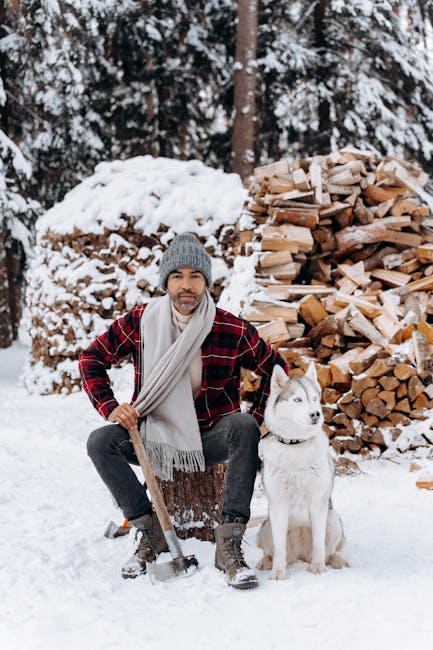
A warm hat is crucial. It keeps your head and ears warm. Choose wool or fleece materials. They provide the best insulation. Scarves are equally important. Wrap one around your neck for extra warmth. Opt for thick, knitted designs. They add a fashionable touch. Both hats and scarves protect against biting winds.
Gloves And Mittens
Cold hands can be miserable. Gloves or mittens solve this problem. Mittens keep your fingers warmer. They trap heat better than gloves. If you need finger movement, go for gloves. Look for waterproof materials. This keeps your hands dry in snow. A snug fit ensures maximum warmth.
Footwear Considerations
Warm feet are essential in cold weather. Insulated boots are the best choice. They provide warmth and support. Look for waterproof options. This keeps your feet dry in slush. Good traction is vital. It prevents slipping on icy sidewalks. Comfort and protection should be your priorities.
Weather-ready Outerwear
Boston's cold weather demands warm coats, woolen sweaters, and insulated boots. Layering with thermal shirts and fleece pants ensures comfort. Waterproof jackets shield against snow and rain, keeping you dry and warm.
Boston's cold weather is not just chilly; it's a test of your wardrobe's resilience. If you're planning to brave the city's winter, you need to arm yourself with the right outerwear. Dressing appropriately can mean the difference between a cozy stroll through the snow-covered streets and a bone-chilling experience. Let's explore how you can keep yourself warm and stylish with some weather-ready outerwear.
Types Of Winter Coats
Choosing the right winter coat is crucial. You might think one coat fits all, but that's far from the truth. Parkas, puffer jackets, and wool coats are popular choices, each offering unique benefits. A parka, with its long length and insulated lining, is perfect for those bitterly cold days. Puffer jackets are lightweight yet provide excellent warmth, making them ideal for when you need to be on the move. Wool coats, while stylish, are great for less harsh days but need layering underneath for extra warmth. Which type aligns with your lifestyle and comfort?
Waterproof Vs. Water-resistant
Understanding the difference between waterproof and water-resistant is key for winter survival. Waterproof coats are designed to keep you dry even in heavy rain or wet snow. They often come with sealed seams and a special coating to repel water. On the other hand, water-resistant coats can handle light rain or snow but aren't suitable for prolonged exposure. If Boston's unpredictable weather has taught me anything, it's that waterproof is often the safer bet. Would you risk a damp commute?
Windproof Options
The biting Boston wind can make even the warmest coat feel inadequate. That's where windproof options come into play. Look for coats that have features like storm flaps over zippers and adjustable cuffs. These details help seal out the wind and keep your body heat intact. Once, I underestimated the power of the wind, only to find myself shivering despite layers. Don't let the wind catch you off guard—choose a coat that defies the gusts. Have you ever felt the wind sneak through your clothes? Being prepared with the right outerwear ensures that you can enjoy all that Boston has to offer, even in the coldest months. With thoughtful choices, you can stay warm, dry, and ready for whatever winter throws your way. What will you choose to brave the Boston cold?
Dressing For Specific Activities
Boston's cold weather demands proper clothing. Layer with thermal shirts and wool sweaters. Add a thick, insulated coat. Warm hats, gloves, and scarves are essential for head and neck protection. Waterproof boots keep feet dry and warm in snow and slush.
Stay comfortable and safe in the chilly Boston climate.
Boston's cold weather can be brutal, but dressing appropriately for specific activities makes all the difference. Whether you're strolling through the city, heading to the office, or enjoying outdoor sports, the right clothing ensures comfort and warmth. Let's dive into how you can gear up for Boston's chilly days and nights.
Casual Wear For Everyday
When dressing casually in Boston's winter, layers are your best friend. A thermal base layer provides essential warmth without bulk, making it ideal for daily wear. Pair it with a cozy sweater or a fleece-lined hoodie and top it off with a windproof jacket. Invest in a good pair of insulated boots to keep your feet warm and dry. Jeans with a thermal lining or thick leggings can add extra warmth. Accessories like a woolen scarf, beanie, and gloves can make your casual outings more comfortable.
Office Attire In Winter
Office attire in winter doesn't mean sacrificing style for warmth. A tailored wool coat can be both professional and insulating. Underneath, opt for a smart sweater or a turtleneck paired with dress pants. Consider wearing thermal tights under skirts for additional warmth. Leather gloves add a touch of elegance while providing insulation. A stylish hat can keep your head warm without compromising on your office look.
Outdoor Activities And Sports
For outdoor enthusiasts, Boston's winter offers many activities like skating, skiing, and hiking. Dressing appropriately is crucial to enjoy these sports comfortably. A moisture-wicking base layer keeps sweat away from your skin, maintaining warmth. A high-quality insulated jacket and snow pants are essential for activities like skiing or snowboarding. Don't forget waterproof gloves and a hat to protect against the biting wind. For hiking, sturdy waterproof boots with good traction are key to navigating icy trails safely. Have you ever felt the thrill of ice skating on Boston Common's Frog Pond with the wind biting at your face? That excitement can be quickly dampened if you're not dressed right. Equip yourself with the right clothing and enjoy the best of what Boston winter has to offer. Remember, the right attire not only keeps you warm but also allows you to fully engage in your favorite activities without distraction. So, are you ready to dress smartly and make the most out of Boston's cold weather?
Maintaining Warmth Indoors
Surviving Boston's cold weather requires wearing layers. Start with thermal tops and leggings. Add a wool sweater and insulated jacket. Warm socks, gloves, and a hat are essential. Don’t forget a scarf to protect your neck. These clothes help maintain warmth indoors.
Surviving Boston's cold weather isn't just about bundling up outdoors; it's equally crucial to maintain warmth indoors. With temperatures often dipping well below freezing, ensuring your home is a cozy haven becomes a necessity. How can you keep warm without cranking up the heat excessively? Let's dive into some practical and cozy clothing options that will help you stay snug indoors.
Cozy Home Clothing
When you're indoors, comfort is key. Opt for soft, fleece-lined sweatpants and oversized sweaters. These aren't just comfortable; they're efficient at trapping heat. Consider wearing wool socks to keep your feet warm. A friend once shared that she keeps a pair of slippers by the bed—perfect for those chilly mornings. What simple additions can you make to your wardrobe?
Thermal Pajamas
Investing in thermal pajamas is a game-changer. They provide an extra layer of warmth without adding bulk. Look for materials like flannel or merino wool. These fabrics are breathable yet insulating, making them ideal for Boston's icy nights. Can you imagine slipping into a warm cocoon of comfort after a long day?
Layering At Home
Layering isn't just for outdoor adventures. At home, wearing a long-sleeve shirt under your sweater can keep you warm without overheating. Use thin, breathable layers to regulate your body temperature. A family member swears by wearing a tank top under her layers—it helps retain heat without feeling constricted. Have you tried layering for indoor warmth before? By choosing the right clothing, you can create a warm and inviting atmosphere in your home, even during Boston's harshest winter days. What will your winter wardrobe look like this season?
Frequently Asked Questions
What Are Boston's Winter Clothing Essentials?
To survive Boston's cold weather, layer up with thermal underwear, a thick sweater, and a waterproof winter coat. Don't forget insulated gloves, a warm hat, and a scarf. Waterproof boots with good traction are essential for snowy sidewalks. Prioritize materials like wool and fleece for maximum warmth.
How To Dress Warmly For Boston Winters?
Dressing warmly for Boston winters involves layering. Start with thermal base layers, add a sweater, and top with a down-filled jacket. Accessories like hats, gloves, and scarves are vital for retaining body heat. Opt for woolen or fleece materials, and ensure your footwear is insulated and waterproof.
Do I Need A Waterproof Coat In Boston?
Yes, a waterproof coat is essential in Boston. The city experiences wet snow and rain during winter. A waterproof coat keeps you dry and warm, preventing moisture from seeping through. Choose one with insulation and a hood for added protection against wind and precipitation.
Are Thermal Socks Necessary In Boston?
Thermal socks are highly recommended for Boston's cold weather. They provide extra warmth and help retain heat. Wool or synthetic thermal socks are ideal, especially if you plan to spend time outdoors. They pair well with insulated boots to keep your feet cozy and dry during snowy days.
Conclusion
Surviving Boston's cold weather requires smart clothing choices. Layering is key. Start with thermal underwear. Add a wool sweater or fleece. Top it off with a waterproof jacket. Don't forget the accessories. A warm hat, scarf, and gloves keep you cozy.
Good boots are essential. They protect your feet from snow and ice. Choose ones with a sturdy grip. Stay warm and comfortable, and Boston's winter won't feel so harsh. Dress well, stay safe, and enjoy the season!