Imagine you're exploring the great outdoors, surrounded by the beauty of nature. Suddenly, an unexpected mishap occurs—a scrape, a cut, or a more serious injury.
In these moments, having a survival kit equipped with a first aid kit is not just important; it's essential. You never know when you might find yourself in a situation where quick medical attention is necessary. A first aid kit can mean the difference between a minor inconvenience and a serious problem.
With it, you can treat wounds, prevent infections, and even save a life. Whether you're camping, hiking, or dealing with an emergency at home, a first aid kit is your frontline defense. This article will explore why including a first aid kit in your survival kit is crucial. You'll discover how it empowers you to handle emergencies effectively and ensures you’re prepared for the unexpected. So, stay tuned to learn how a simple kit can give you peace of mind and confidence in any situation.
Importance Of First Aid Kits
A first aid kit is essential in a survival kit for quick response to injuries. It helps manage minor wounds, preventing infection and complications. Having basic medical supplies on hand can make a significant difference in emergencies, ensuring safety and increasing chances of survival.
The importance of having a first aid kit in your survival kit cannot be overstated. Imagine you're out on a weekend hiking trip. Suddenly, a slip leads to a nasty cut or a sprained ankle. Without a first aid kit, a minor injury can quickly escalate into a major issue. Having immediate access to medical supplies is crucial in managing injuries and preventing complications. A first aid kit is not just a box of bandages; it's a lifeline in emergencies.
Why Immediate Access Matters
Time is of the essence during an emergency. Quick action can make all the difference. A first aid kit provides the tools you need to act swiftly. Whether it's stopping bleeding or sanitizing a wound, having supplies on hand is vital. Consider the peace of mind knowing you're prepared to handle unexpected situations.
Basic Components And Their Functions
Every first aid kit should contain a few essentials. Bandages, antiseptic wipes, and pain relievers are some of the basics. Each item serves a specific purpose. For instance, antiseptic wipes help prevent infections. Pain relievers can make an injured person more comfortable until professional help arrives. Understanding these functions can guide you in using the kit effectively.
Real-life Scenarios Highlighting The Need
Have you ever been in a situation where help was miles away? A friend of mine once slipped on wet rocks during a camping trip. The first aid kit we had was a game-changer. We managed to clean and bandage the wound before it got worse. Such experiences underline the critical role of having a first aid kit.
Empowering Yourself With Knowledge
Knowing how to use the items in your first aid kit is just as important as having them. Would you know how to treat a burn or a sprain? Taking a basic first aid course can be incredibly beneficial. It empowers you to act confidently and effectively in emergencies. You're not just relying on the kit; you're relying on your skills too.
Encouraging Preparedness In Everyday Life
Having a first aid kit isn't just for wilderness adventures. Keep one in your car, at home, and at work. Everyday accidents happen more often than we like to admit. Being prepared means you're ready for anything life throws your way. Ask yourself, is your home as prepared as your hiking bag? A well-stocked first aid kit is a small investment for peace of mind and safety. It ensures you're ready to face the unexpected with confidence.
Key Components Of A First Aid Kit
Your survival kit is your lifeline in emergencies, and a first aid kit is a crucial part of it. Whether you're hiking, camping, or simply living in an area prone to natural disasters, a well-stocked first aid kit can be the difference between minor discomfort and serious injury. Understanding the key components of a first aid kit will empower you to handle unexpected situations with confidence and precision.
Basic Medical Supplies
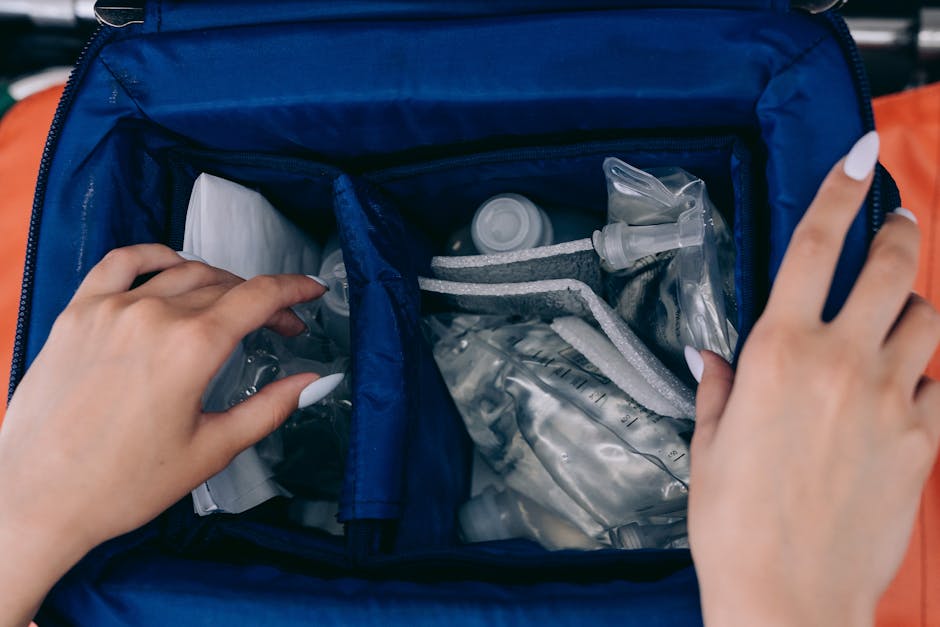
Think of basic medical supplies as your first line of defense. Bandages, gauze pads, and adhesive tape are essential for treating cuts and scrapes. Antiseptic wipes and ointments help prevent infections, keeping wounds clean and promoting faster healing. Add a pair of tweezers and scissors for removing splinters or cutting tape. These simple tools are invaluable when you're in a pinch.
Emergency Tools
Having the right emergency tools can save lives. A CPR mask is vital for performing mouth-to-mouth resuscitation safely. Include a digital thermometer to monitor fevers or hypothermia. A flashlight with spare batteries ensures you can see in the dark, while a whistle can signal for help when you're out of reach. Equip yourself with these tools to navigate emergencies effectively.
Personal Medications
Personal medications are often overlooked but are absolutely essential. If you rely on prescription drugs, make sure your kit has an extra supply. Include over-the-counter medications like pain relievers, antihistamines, and antacids for common ailments. Customize your kit to cater to your specific health needs. This foresight can prevent a minor health issue from escalating into a crisis.
Have you ever found yourself in a situation where you wished you had a first aid kit? Consider what could have been different with one on hand. Equip your survival kit thoughtfully and stay prepared for whatever life throws your way.
Role In Emergency Situations
A first aid kit is crucial in a survival kit. It helps treat injuries quickly during emergencies. Quick access to medical supplies can prevent worsening conditions. It ensures safety and peace of mind, providing essential care when needed most.
In the chaos of an emergency, the role of a first aid kit in your survival kit can be a lifeline. Every second counts, and having the right tools at your fingertips can make all the difference. Imagine a hiking trip where a simple slip leads to a nasty cut. Without immediate care, this could escalate into a serious infection. Your first aid kit isn't just a box of bandages; it's your first responder, your immediate ally in any crisis.
Immediate Response
A first aid kit allows you to act quickly when accidents happen. Imagine you’re camping and someone gets a burn from the campfire. You can instantly apply a burn ointment to soothe the pain and prevent further damage. Having these supplies means you don’t have to wait for help to arrive; you become the help. This quick action can make a significant difference in outcomes, especially in remote areas where professional medical assistance isn’t readily available.
Preventing Complications
Minor injuries can turn serious if not addressed promptly. A small cut can become infected, leading to bigger health issues. By cleaning and dressing the wound immediately, you drastically reduce the risk of complications. Think of your first aid kit as a proactive measure, halting problems before they escalate. Isn’t it reassuring to know you have the power to prevent a bad situation from getting worse?
Stabilizing Conditions
Your first aid kit is also critical in stabilizing conditions until help arrives. If someone faints or experiences a sudden illness, basic first aid can keep them stable. For instance, a simple adhesive bandage can stop bleeding, while a sling can immobilize a broken arm. These actions can keep a situation from deteriorating further. Why rely solely on others when you can take charge and provide immediate care with your first aid kit?
Choosing The Right First Aid Kit
When you think about survival kits, the first thing that often comes to mind is food and water. But have you considered the importance of a first aid kit? It's not just a box of band-aids; it could be your lifeline in an emergency. Choosing the right first aid kit is essential for ensuring your safety and preparedness in the wilderness or during unexpected situations. Let's dive into what makes a first aid kit suitable for a survival kit.
Size And Portability
Size matters, especially when you need to carry your survival kit on long hikes or during emergencies. You want a first aid kit that is compact yet contains all essential items. A bulky kit can be a burden, while a smaller kit may lack critical supplies. Look for a balance between portability and functionality.
Think about where you'll store it. Your backpack, car, or home? Consider a compact kit that easily fits into any space. This ensures you have quick access to it when needed.
Comprehensive Content
A first aid kit should contain more than just band-aids and antiseptic wipes. Check for a comprehensive list of supplies that covers various injuries and emergencies. This includes items like scissors, tweezers, gauze, and pain relievers.
Have you ever cut yourself while camping? A well-stocked kit with appropriate bandages can save the day. Make sure it has what you need for common injuries and unexpected situations.
Durability And Weather Resistance
Durability is crucial. You don't want your supplies getting damaged or wet. Opt for a kit made from tough, waterproof materials. This ensures it can withstand harsh weather conditions.
Imagine being caught in a rainstorm with a flimsy first aid kit. It's a risk you can't afford. Choose a kit that promises resilience and reliability in various environments.
Choosing the right first aid kit involves thoughtful consideration of size, content, and durability. It's an investment in your safety. So, what kind of kit do you think suits your needs best?
Maintaining Your First Aid Kit
A well-maintained first aid kit is vital for survival. It ensures you're ready for emergencies. Keeping your kit in top condition helps you respond effectively. This section guides you on how to maintain your kit.
Regular Checks
Inspect your first aid kit every six months. Look for damaged or missing items. Check bandages, antiseptic wipes, and gloves. Ensure they are intact and usable. A regular check prevents surprises in emergencies.
Replacing Expired Items
Expired items can lose effectiveness. Always check expiration dates on medications and ointments. Replace expired items immediately. Keeping fresh supplies ensures your kit's reliability. This is crucial for your safety.
Updating Personal Needs
Your personal needs may change over time. Review your kit to match current health needs. Add medications for new allergies or conditions. Update contact information for emergency services. This keeps your kit relevant and useful.
First Aid Training Benefits
First aid training is a vital component of any survival kit. It equips individuals with the skills needed to handle emergencies. Proper training ensures the effective use of first aid supplies. It prepares individuals for unforeseen situations. Let's explore the benefits of first aid training.
Boosting Confidence
First aid training boosts confidence in handling emergencies. It teaches practical skills like wound care and CPR. This knowledge reduces panic in stressful situations. Trained individuals can act calmly and effectively.
Enhancing Preparedness
Training enhances preparedness for unexpected events. It covers various scenarios, from minor injuries to severe accidents. Being prepared means having a plan. A trained person knows what to do in emergencies. This readiness can save lives.
Promoting Safety Awareness
First aid training promotes safety awareness. It highlights the importance of preventive measures. Trained individuals recognize hazards and act to avoid risks. This awareness helps reduce accidents and injuries. Safety becomes a priority in daily life.
First Aid Kits In Various Settings
A first aid kit is crucial in survival kits for emergencies. It provides essential tools and supplies for immediate care. Quick access can prevent minor injuries from worsening.
In the unpredictable events of life, a first aid kit can be your best friend. You never know when an accident might happen, and having a well-stocked first aid kit can make all the difference. Whether you're at home, exploring the great outdoors, or working at your desk, being prepared can keep minor mishaps from becoming major headaches. Let's dive into the role of first aid kits across different settings.
Home And Family
Think about the last time someone in your family had a minor accident at home. A small cut in the kitchen or a bruise from playing can happen in a blink. Having a first aid kit at home lets you address these issues quickly. You can clean wounds, apply bandages, and relieve pain without delay. Make it a habit to check your home first aid kit regularly. Ensure it includes essentials like adhesive bandages, antiseptic wipes, and pain relievers. You wouldn't want to realize you're out of supplies in the middle of an emergency.
Outdoor Adventures
Imagine you're hiking in the woods and you sprain your ankle. Access to a first aid kit can make your journey back much more manageable. Outdoor kits should include items like insect repellent, sunscreen, and a whistle for emergencies. Planning a camping trip? Your first aid kit should have blister treatments and snake bite kits. These items can turn a potential trip-ending mishap into a minor inconvenience. Being prepared means you can enjoy nature with peace of mind.
Workplace Safety
Accidents at work are more common than you might think. From paper cuts to more serious injuries, having a first aid kit handy is crucial. It's not just about compliance; it's about caring for yourself and your colleagues. Encourage your workplace to maintain a well-stocked first aid kit. Include items specific to your work environment, like burn creams for kitchens or eye wash for labs. A safe workplace is a productive workplace, and a first aid kit is a simple step toward ensuring that safety. Have you ever found yourself in a situation where a first aid kit saved the day? Share your experience and let's make safety a shared responsibility.
Frequently Asked Questions
What Is A First Aid Kit?
A first aid kit is a collection of essential medical supplies. It includes items like bandages, antiseptics, and pain relievers. These tools help treat minor injuries and prevent infections. Having one on hand is crucial for immediate care during emergencies.
Why Include A First Aid Kit In Survival Gear?
A first aid kit is vital for handling unexpected injuries. It offers immediate care, reducing complications and promoting healing. In survival situations, medical help might be delayed. A well-stocked kit ensures you're prepared to manage minor wounds and conditions until professional help arrives.
What Should A Basic First Aid Kit Contain?
A basic first aid kit should contain bandages, gauze, antiseptic wipes, and adhesive tape. Include pain relievers, scissors, and tweezers too. These items help manage cuts, scrapes, and minor injuries effectively. Tailor the kit to your needs and environment for optimal preparedness.
How Often Should You Check Your First Aid Kit?
Check your first aid kit every six months. Ensure supplies are not expired and in good condition. Replace used items promptly to maintain readiness. Regular checks ensure your kit remains complete and effective for emergencies, providing peace of mind.
Conclusion
A first aid kit is essential in any survival kit. It helps address injuries quickly. This can prevent complications later. Bandages, antiseptics, and pain relievers are vital. They ensure immediate care in emergencies. Proper preparation saves lives. Everyone should have access to basic first aid supplies.
They provide peace of mind. First aid kits are compact and easy to carry. Their presence boosts confidence during adventures. They are a crucial part of survival planning. Never underestimate their importance. Equip yourself for unexpected situations. Safety should always be a priority.
Stay prepared, stay safe.