Have you ever wondered what it would be like to survive in weather so cold it sounds impossible? Imagine facing temperatures as low as negative 100 degrees.
Can you feel the chill creeping in just thinking about it? This isn't just a test of endurance; it's a challenge that pushes the boundaries of human capability. You might be asking yourself, "Could I survive in conditions so extreme?
" Your curiosity is about to be satisfied. This article will unravel the secrets of surviving in such harsh environments, exploring the science behind what happens to your body, how you can prepare, and what gear is essential for such an adventure. Are you ready to discover if you're equipped to withstand the world's most frigid temperatures? Let's dive into the chilling details and find out if you have what it takes to master the art of survival in negative 100-degree weather.
Extreme Cold Survival Basics
Surviving in negative 100-degree weather is a formidable challenge. Extreme cold can wreak havoc on the human body. Understanding the basics of survival in such conditions is crucial. This knowledge can mean the difference between life and death. Equip yourself with the essentials. Learn how to protect your body from the extreme cold.
Understanding Hypothermia
Hypothermia is a serious threat in extreme cold. It occurs when body temperature drops below normal levels. Symptoms include shivering, slurred speech, and confusion. Prolonged exposure can lead to unconsciousness or death. Wear layers of clothing to retain body heat. Insulation helps trap warmth and keeps cold at bay.
Stay dry and avoid sweating. Wet clothes accelerate heat loss. Seek shelter as quickly as possible. Keep your head covered since much heat escapes through it.
Frostbite Risks
Frostbite damages skin and tissues in cold weather. It commonly affects fingers, toes, ears, and nose. Symptoms include numbness and pale skin. In severe cases, skin turns hard and dark. Protect exposed skin to prevent frostbite. Wear gloves, scarves, and thick socks.
Limit direct exposure to freezing temperatures. Keep moving to encourage blood flow. Warm affected areas gently if frostbite occurs. Avoid rubbing as it can worsen tissue damage.
Essential Gear For Extreme Cold
Surviving negative 100-degree weather demands specialized gear. Layered clothing, thermal boots, and insulated gloves are crucial. A high-quality parka and windproof outerwear provide essential protection.
Surviving in negative 100-degree weather is no small feat. It demands more than just courage and determination. You need to equip yourself with the right gear to brave such extreme conditions. Imagine stepping outside into a world where the air bites, and every breath feels like a battle. To thrive, you must layer up with precision, starting from your clothing to your footwear and accessories. Let's dive into the essentials you need to make it through these bone-chilling temperatures.
Clothing Layers
Layering is the cornerstone of cold-weather survival. Start with a moisture-wicking base layer to keep sweat away from your skin. This is crucial because dampness can lead to hypothermia. Next, add an insulating layer. Think of materials like fleece or down. They trap heat effectively while remaining lightweight. Finally, complete your ensemble with a waterproof and windproof outer layer. This shields you from the elements, ensuring that snow and wind don't seep through.
Footwear And Accessories
Your feet are your foundation. Invest in insulated boots designed for extreme cold. These boots should have a sturdy grip to prevent slipping on ice. Pair them with thermal socks. Wool or synthetic blends work well to keep your feet warm and dry. Accessories like hats, gloves, and scarves are not just add-ons—they're essential. A good hat retains body heat, while gloves shield your fingers from frostbite. Consider a balaclava or neck gaiter. It can protect your face from the biting cold, making breathing more comfortable. Have you ever wondered how explorers endure such frigid environments? It's not just about toughness; it's about preparation. By gearing up with the right essentials, you stack the odds in your favor. Are you ready to face the cold head-on? Equip yourself wisely, and the icy world becomes a bit more manageable.
Shelter And Warmth Strategies
Surviving in negative 100-degree weather demands smart shelter and warmth strategies. Insulating layers protect against extreme cold. Building snow shelters can trap heat, keeping the inside warmer than the outside.
Surviving in negative 100-degree weather is no small feat. The cold is merciless, and without proper preparation, it can be deadly. One of the most crucial aspects of survival in such extreme conditions is finding ways to stay warm. How do you ensure you have adequate shelter and warmth when the temperatures plummet to such extremes?
Building An Emergency Shelter
Finding or constructing a shelter is your first line of defense against the frigid air. The key is to minimize exposure to the wind and trap as much body heat as possible. If you're caught in the wild, look for natural formations like caves or rock overhangs. These can offer immediate relief from the elements. In the absence of natural shelters, you must build one. A snow cave or a quinzee—essentially a mound of snow hollowed out—can be lifesavers. They use the insulating properties of snow to keep you warm. Remember, the entrance should be lower than the sleeping area to trap warm air inside.
Fire And Heat Sources
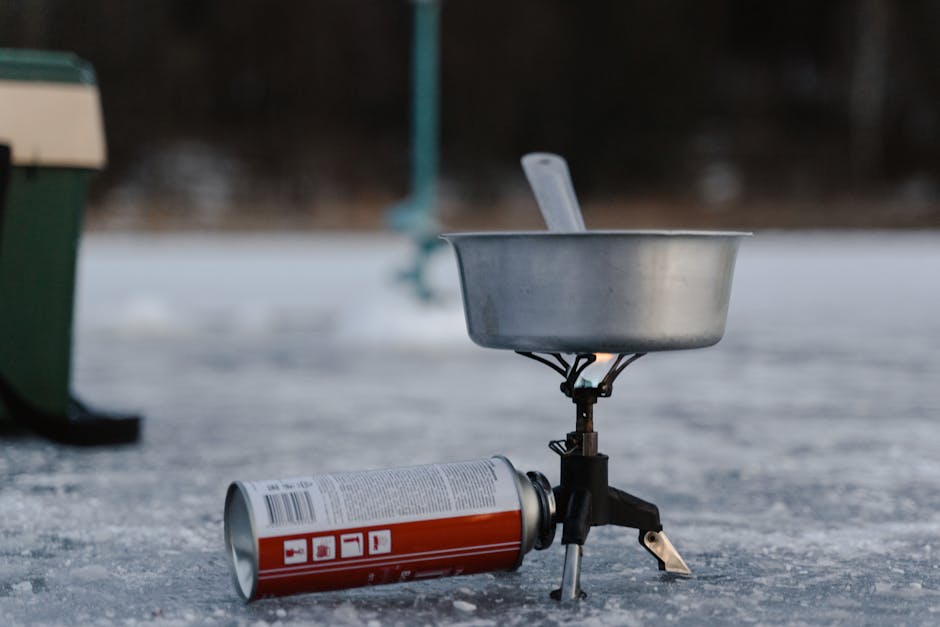
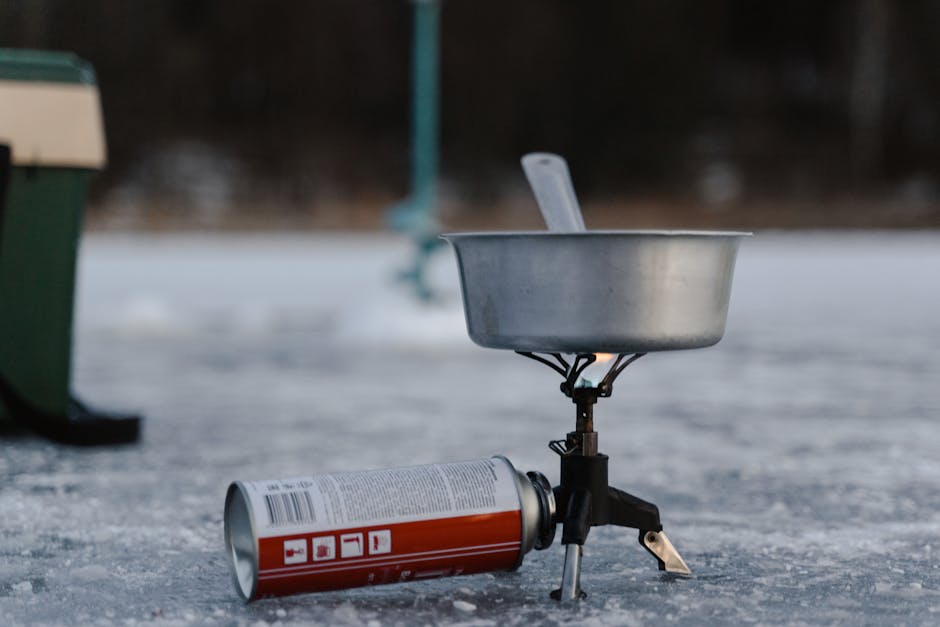
Starting a fire in sub-zero conditions is challenging but vital. A fire not only provides warmth but also a psychological boost. Gather dry wood and kindling, which may require digging through snow. Use a reliable fire starter like waterproof matches or a lighter. Consider the benefits of a small portable stove. It's handy, especially when gathering wood is difficult. If you're in a vehicle, use it to your advantage. The engine's heat can be a temporary warmth source, but ensure proper ventilation to avoid carbon monoxide poisoning. Think outside the box. Hand warmers and thermal blankets are compact but effective solutions. They can be the difference between comfort and frostbite. What other unconventional methods could you employ to stave off the cold? Your creativity can be your best ally in such dire situations.
Food And Hydration Needs
Surviving in negative 100-degree weather is a daunting challenge. The extreme cold demands careful attention to food and hydration needs. Proper nutrition and hydration can keep the body warm and functional. Understanding these essentials can make a significant difference in harsh conditions.
High-calorie Foods
Extreme cold increases energy demands. The body needs high-calorie foods for warmth. Foods like nuts, cheese, and chocolate are ideal. They provide energy quickly. Compact and easy to pack, these foods are perfect for cold weather. Fats and proteins are crucial. They offer sustained energy, keeping you warm longer.
Preventing Dehydration
Cold weather can lead to dehydration. It's easy to forget to drink water when cold. The body still loses moisture through breathing and sweating. Warm drinks can encourage hydration. Herbal teas or warm soups are excellent choices. They provide warmth and keep you hydrated. Always carry a reliable water source.
Safety And Precautionary Measures
Surviving negative 100-degree weather demands strict safety measures. Wear layered clothing, protect extremities, and limit exposure time. Stay hydrated and keep moving to maintain body heat.
Surviving in negative 100-degree weather is a challenge that requires not only courage but also a solid understanding of safety and precautionary measures. Extreme cold can be life-threatening, and preparation is your best defense. You might wonder, what exactly should you focus on to stay safe and secure in such unforgiving conditions?
Avoiding Ice Hazards
Ice can be a hidden danger in extreme cold. Always be cautious while walking or driving. Ice can be deceptive, and what appears to be solid ground might be a slick sheet. Consider using footwear with excellent grip. Look for spikes or special shoes designed for icy conditions. They can prevent falls and injuries. When driving, reduce your speed and keep a safe distance from other vehicles. Anticipate that stopping will take longer. Black ice is hard to see and can lead to dangerous skids.
Navigating In Snowstorms
Snowstorms can quickly reduce visibility to near zero. If you're outside, stay calm and find shelter immediately. Wandering in a storm can lead you away from safety. Use landmarks to navigate. Trees, large rocks, or even fences can guide you back to safety if you become disoriented. If you must travel, carry a reliable GPS device or a detailed map. Technology can be a lifesaver, but always have a backup plan. Batteries die faster in extreme cold, so keep spares handy. Taking these safety measures can significantly increase your chances of surviving and thriving in negative 100-degree weather. How prepared are you for the unexpected twists of the cold?
Psychological Challenges
Surviving in negative 100-degree weather is not just a test of physical endurance; it challenges the mind in ways you might not expect. The psychological hurdles can be overwhelming, as the extreme cold isolates you from the world and tests your mental resilience. How do you keep your spirits up when you feel cut off from life as you know it?
Coping With Isolation
One of the toughest challenges is dealing with isolation. Imagine being in a place where the cold traps you indoors, limiting your interactions with the outside world. It's easy to feel lonely when the only sounds are the howling winds.
To combat this, find ways to stay connected, even if it’s just virtual. Regular check-ins with friends or family can provide emotional support. Sharing your experiences can help you feel less alone.
Engage in activities that keep your mind busy. Whether it’s reading, writing, or learning something new, these distractions can be lifelines. What hobbies can you pick up that don't rely on outside conditions?
Maintaining Mental Health
Extreme cold can take a toll on your mental health. Constant darkness and cold can lead to feelings of depression. It's crucial to recognize these feelings early and take action.
Set small, achievable goals. Completing tasks, no matter how minor, boosts your morale. You might surprise yourself with how much a sense of accomplishment can lift your spirits.
Create a routine that includes exercise, as it releases endorphins and improves mood. Even indoor workouts can make a difference. How can you incorporate physical activity into your daily life?
Remember to take care of your emotional well-being. Meditation or mindfulness practices can help center you. How can you use quiet moments to calm your mind?
Negative 100-degree weather is daunting, but by addressing the psychological challenges head-on, you can find ways to not just survive, but thrive. What strategies will you use to keep your mind strong in the face of such adversity?
Real-life Survival Stories
Surviving in negative 100-degree weather challenges human limits. Extreme cold tests endurance and creativity. Stories of real-life survival inspire courage and adaptation in hostile environments.
Surviving in negative 100-degree weather seems impossible, yet there are real-life stories of individuals who have faced these extreme conditions and lived to tell the tale. These stories are not just tales of endurance; they are lessons in human resilience and ingenuity. They push the boundaries of what we believe is possible and challenge you to rethink your limits.
Lessons From Survivors
Consider the story of a scientist trapped in the harsh, icy expanses of Antarctica. His experience highlights the importance of preparation and knowing your environment. Equipped with specialized gear and an understanding of weather patterns, he managed to survive despite the odds. Survivors often emphasize the importance of mental strength. When you're faced with life-threatening cold, willpower can be your most powerful ally. What would you do to keep your spirits up when the world around you feels like it's closing in?
Inspiration From Extreme Adventurers
Extreme adventurers often seek out the world's harshest climates. Take the example of explorers who purposefully venture into the Arctic Circle. They don't just survive; they thrive in settings that push their physical and mental limits. These adventurers show that adapting to extreme cold requires creativity. They use techniques like building makeshift shelters and finding unconventional heat sources. Could you imagine finding warmth in such desolate conditions? Their stories inspire you to be resourceful and resilient. They remind you that even in the most severe circumstances, there's always a way to persevere. What strategies can you learn from them to apply in your own life challenges? Real-life survival stories make you wonder about your own capacity for endurance. They teach you that with the right mindset and preparation, you can tackle even the most daunting obstacles. How might these lessons apply to your own life situations?
Frequently Asked Questions
How Does Extreme Cold Affect The Human Body?
Extreme cold can lead to hypothermia, frostbite, and organ failure. Hypothermia occurs when body temperature drops below normal. Frostbite damages skin and tissues due to freezing. Prolonged exposure can cause critical health issues, including heart strain and respiratory problems. Protective gear is essential to survive in such conditions.
What Clothing Is Best For Minus 100 Degrees?
Layered clothing with thermal insulation is best for minus 100 degrees. Start with moisture-wicking base layers, add insulating middle layers, and finish with windproof outer layers. Accessories like insulated gloves and boots are crucial. Ensure face protection with masks or balaclavas to prevent frostbite and maintain body warmth.
Can Technology Help Survive Extreme Cold?
Technology can significantly aid survival in extreme cold. Heated clothing, portable shelters, and advanced thermal gear enhance protection. GPS devices help navigation, while emergency radios ensure communication. Innovations like self-heating foods and portable heaters offer additional warmth, making extreme conditions more manageable and increasing chances of survival.
What Is The Risk Of Frostbite At -100 Degrees?
Frostbite is a severe risk at -100 degrees. It occurs when skin and tissue freeze, leading to permanent damage. Fingers, toes, and exposed skin are most vulnerable. Immediate symptoms include numbness and tingling. Without prompt treatment, frostbite can result in amputation.
Protective clothing reduces risk significantly.
Conclusion
Surviving negative 100-degree weather is extremely challenging. Preparation is key. Layering clothing can help retain body heat. Staying indoors is safest. Ensure proper heating and insulation. Avoid exposure to harsh winds. Eating high-energy foods supports body warmth. Hypothermia and frostbite are serious risks.
Warm drinks can help maintain core temperature. Always have emergency supplies ready. Understanding these conditions can save lives. Plan and act wisely in extreme cold. Stay informed about weather changes. Knowledge and preparation are your best defenses. Surviving such cold requires vigilance and respect for nature's power.