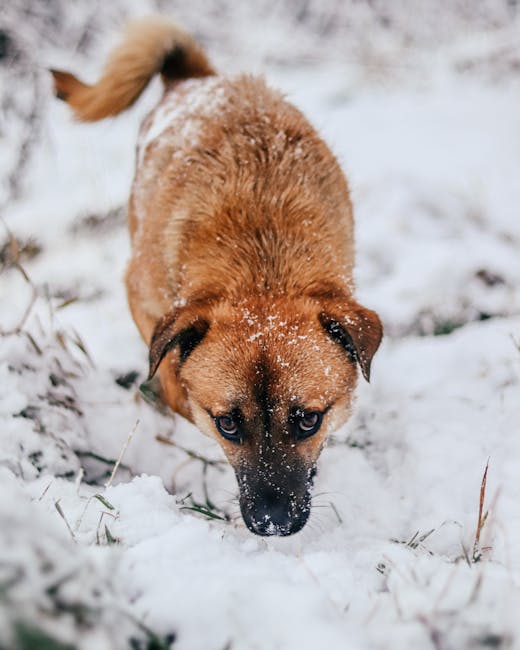
Have you ever wondered if dog worms can survive in cold weather? As a pet owner, you might be concerned about the health risks your furry friend faces during the chilly months.
Just because the temperature drops doesn't mean these pesky parasites go into hibernation. In fact, they have a few tricks up their sleeves to stick around, even when the world outside seems frozen. Understanding how these worms behave in cold weather is crucial for ensuring your dog's well-being.
So, let's dive into the facts and uncover the secrets of how these resilient worms manage to survive the cold. Keep reading to learn how you can protect your beloved pet from these persistent pests, no matter the season.
Dog Worms Overview
Dog worms pose a significant health risk to pets. These parasites live in a dog’s body, often unnoticed until symptoms appear. Understanding them is essential for every dog owner. Prompt treatment ensures your furry friend stays healthy and active. Let's explore common types and their lifecycles.
Common Types Of Dog Worms
Several types of worms affect dogs. Roundworms are the most common. They resemble spaghetti and live in the intestines. Hookworms attach to the intestinal walls and feed on blood. Whipworms are another type, residing in the large intestine. Tapeworms have flat, segmented bodies and are often found in feces. Each type causes different symptoms in dogs.
Lifecycle Of Dog Worms
The lifecycle of dog worms varies. Roundworms start as eggs in the soil. Dogs ingest these eggs, which then hatch inside their intestines. Hookworms also begin as eggs. They hatch into larvae in the environment and penetrate a dog’s skin. Whipworms lay eggs that mature in the ground. Dogs consume these eggs through contaminated food or water. Tapeworms require an intermediate host like fleas. Dogs get infected by swallowing infected fleas.
Understanding these lifecycles helps in prevention. Regular deworming and hygiene practices reduce risks. Knowing what to watch for keeps your pet safe from these parasites. Stay informed and protect your dog from worm-related health issues.
Impact Of Cold Weather
Cold weather impacts dog worms in various ways. Worms thrive in warm environments. Their survival in cold temperatures can be challenging. Understanding how worms react to cold can help pet owners take preventive measures.
Temperature Sensitivity In Worms
Dog worms are sensitive to temperature changes. Most worms prefer mild to warm climates. Cold weather slows down their growth and reproduction. The metabolic rate of worms decreases in chilly conditions. This reduction in activity makes them less aggressive.
Adaptations To Cold Environments
Worms have developed adaptations to survive cold weather. Some species create protective cysts. These cysts shield them from freezing temperatures. Others burrow deeper into the ground to stay warm. These survival strategies help them endure harsh conditions.
Pet owners can leverage this knowledge to protect their dogs. Keeping outdoor areas clean minimizes worm exposure. Regular vet checks ensure early detection of any worm infestations. Understanding worm adaptations helps in maintaining dog health.
Survival Mechanisms
Dog worms can endure cold weather by going dormant. Their eggs survive in soil until conditions improve. This resilience allows them to continue infecting hosts in various climates.
Understanding how dog worms survive in cold weather is crucial for pet owners. These parasites have developed fascinating survival mechanisms that allow them to withstand harsh conditions. It’s essential to grasp these processes to protect your furry friend effectively.
Dormancy In Cold Conditions
Dog worms can enter a state of dormancy when temperatures drop. This means they slow down their metabolic activities and essentially "pause" their lifecycle. Imagine how your garden goes quiet in winter, only to spring back to life when warmth returns. While in dormancy, the worms are not actively causing harm, but they remain a threat. Once temperatures rise, they can quickly become active again. This cycle ensures their survival across seasons.
Environmental Factors Influencing Survival
The environment plays a significant role in the survival of dog worms during cold weather. Factors like soil insulation, moisture levels, and organic matter can create microclimates where worms thrive. Think about how a compost heap stays warm even in winter—similarly, certain areas can protect these parasites. Your backyard might have spots that are more conducive to worm survival. Identifying these areas can be key in breaking their lifecycle. Regular yard maintenance and cleaning can reduce these microhabitats. Have you ever wondered why some winters seem to bring more parasites than others? Sometimes, unexpected warm spells during winter can shorten the dormancy period. This unpredictability makes consistent preventative measures vital for your pet’s health. Protecting your dog from worms requires understanding these survival mechanisms. Are you prepared to take the necessary steps to safeguard your pet?
Preventive Measures
Cold weather might not kill dog worms completely, allowing them to survive and infect pets. Keeping your dog warm and clean helps prevent infections. Regular vet check-ups ensure worms are detected early, reducing health risks.
Preventing dog worms from surviving in cold weather is crucial for your pet's health. Worms pose a significant threat, and cold weather doesn't always kill them. They can lurk in your dog's environment, waiting for the perfect opportunity to invade. Taking preventive measures can protect your furry friend from these unwanted parasites.
Routine Veterinary Checkups
Regular vet visits are essential to keep your dog healthy. A veterinarian can detect worms early, even before you notice any symptoms. During a checkup, ask your vet to perform a fecal examination. This simple test can reveal the presence of worms. Think about scheduling these checkups at least twice a year. Veterinarians can also provide personalized advice based on your dog's breed, age, and lifestyle. They might recommend specific tests or treatments tailored to your pet's needs. Always keep a record of these visits, as they help track your dog's health history.
Effective Deworming Strategies
Deworming isn't just a one-time task; it's a continuous process. Set a schedule for regular deworming based on your vet's recommendation. Puppies usually need more frequent treatments than adult dogs. Keep in mind that over-the-counter options might not cover all types of worms. Ensure you are using a vet-approved dewormer. Always follow the dosing instructions carefully. Have you ever wondered if you’re doing enough to protect your dog? Consider combining deworming with other preventive measures, like maintaining a clean environment. Remember, prevention is better than cure. By taking these steps, you can keep worms at bay and ensure your dog enjoys a healthy, happy life, even in cold weather.
Myths And Misconceptions
Understanding dog worms is vital for every pet owner. Many people believe that cold weather kills worms. This belief leads to myths and misconceptions. Some myths can affect how you care for your dog. Let's explore these myths and understand the truth.
Common Beliefs About Worms And Cold
Many think cold weather eliminates worms. They trust freezing temperatures to kill parasites. This belief makes some pet owners neglect preventive care in winter. Some assume worms only thrive in warm climates. Others believe frost and snow keep worms away. These common beliefs can lead to risky decisions.
Scientific Insights Into Worm Behavior
Science shows worms are tough. Cold temperatures don't always kill them. Some worm eggs survive in freezing conditions. They wait for warmer weather to hatch. Worms adapt to different climates, including cold ones. Their survival depends on the environment and host. Understanding this helps keep pets safe all year.
Frequently Asked Questions
Can Dog Worms Survive Freezing Temperatures?
Dog worms can survive in cold weather, but their activity might slow down. Some eggs and larvae can remain dormant in freezing conditions, waiting for warmer weather to become active again. It's essential to maintain regular deworming schedules even in cold months to protect your dog.
Do Cold Temperatures Kill Dog Worm Eggs?
Cold temperatures can slow down the development of dog worm eggs, but they may not kill them. Many worm eggs are resilient and can survive harsh conditions. They can remain dormant and become active when temperatures rise. Regular deworming and hygiene practices are crucial to prevent infestation.
How Do Dog Worms Survive Winter?
Dog worms survive winter by entering a dormant phase. Their eggs and larvae can withstand cold temperatures, waiting for favorable conditions. While adult worms may slow down, they don't necessarily die. It's important to maintain preventive measures throughout the year to ensure your dog's health.
Are Dogs At Risk Of Worms In Winter?
Yes, dogs are still at risk of worms during winter. Though activity may decrease, worm eggs and larvae can persist in the environment. Regular check-ups and deworming are essential to prevent infestations, as worms can cause health issues regardless of the season.
Conclusion
Dog worms can still thrive in cold weather. They adapt to survive, often hiding in warm places like the soil. Regular vet visits are crucial for prevention. Keep an eye on your dog's health year-round. Use medication as advised to protect your pet.
Clean up after your dog to reduce risk. Healthy habits keep worms away, even in winter. Safe practices ensure your dog's safety. Cold weather doesn't stop them, but you can. Stay informed and proactive. Your dog deserves protection and care.
Always consult your vet for the best advice.