As a cat lover, you want nothing but the best for your furry friends, especially when they're at their most vulnerable. Newborn kittens are incredibly fragile, and as temperatures drop, you might find yourself worrying about their well-being in cold weather.
Can these tiny creatures really survive the chill, or do they need extra care to make it through the winter months? Imagine being able to protect these delicate little beings from the harsh elements, ensuring they grow up healthy and strong.
By understanding the unique challenges that cold weather poses to newborn kittens, you can take the necessary steps to safeguard their lives. Stay with us as we unravel the mysteries of kitten survival in the cold and empower you with the knowledge you need to keep them warm and thriving.
Impact Of Cold Weather On Newborn Kittens
Newborn kittens are delicate and vulnerable. Cold weather can be a serious threat to their survival. Their tiny bodies struggle to generate enough heat. Without proper warmth, they face severe health risks. Understanding the impact of cold on newborn kittens is crucial for their care. Let's explore how cold weather affects these fragile creatures.
1. Hypothermia: A Silent Threat
Cold temperatures can quickly lead to hypothermia in kittens. Their bodies are not fully developed to regulate heat. Hypothermia can slow their heartbeat and breathing. It can also make them lethargic and unresponsive. Immediate warmth is essential to prevent this dangerous condition.
2. Weak Immune System
Newborn kittens have weak immune systems. Cold weather can worsen this vulnerability. They become more susceptible to infections. A warm environment supports their health and growth. Ensuring they stay warm helps boost their immunity.
3. Nutritional Challenges
Cold weather affects a kitten's ability to feed. They need extra energy to stay warm. This increased demand can lead to nutritional deficiencies. Proper nutrition is vital for their development and survival. Keeping them warm helps maintain their energy balance.
4. Respiratory Issues
Cold air can irritate a kitten's respiratory system. It may cause breathing difficulties. This can lead to serious respiratory infections. Warmth helps protect their delicate lungs. A stable environment is key to preventing these issues.
5. Importance Of Warmth And Shelter
Providing warmth and shelter is crucial for newborn kittens. A warm blanket or heating pad can make a difference. Shelter protects them from harsh weather conditions. Ensuring a cozy space helps them thrive despite the cold.
Signs Of Cold Stress In Kittens
Newborn kittens can struggle in cold weather. Signs of cold stress include shivering, weakness, and a decrease in activity. It's crucial to keep them warm and monitor their behavior closely.
Understanding the signs of cold stress in newborn kittens is crucial for their survival, especially during chilly weather. These tiny creatures are particularly vulnerable to the cold, as they cannot regulate their body temperature like adult cats. As a cat lover, you can make a significant difference by recognizing the symptoms early and acting promptly.
Spotting Unusual Behavior
When kittens are cold, their behavior changes noticeably. You may notice them huddling together excessively or crying more than usual. This increased vocalization is a distress signal indicating they're uncomfortable and need warmth.
Checking Their Body Temperature
Kittens should feel warm to the touch. If their ears, paws, or tail feel cold, it's a red flag. You might remember a time when a kitten's nose felt cooler than usual. That was a sign they needed immediate warmth.
Observing Their Physical Appearance
Cold stress can make kittens appear lethargic. They may move less and seem less interested in feeding. Their fur might also look fluffed up as they try to trap more heat.
Monitoring Their Breathing
Cold kittens often breathe more slowly and shallowly. If you notice a change in their breathing pattern, it's a sign they are struggling to maintain their body temperature. Prompt action is crucial at this point to prevent further complications.
Identifying Digestive Issues
Cold stress can affect a kitten's digestion. They might have difficulty nursing or show a lack of appetite. This can lead to further weakness, making warmth and nourishment even more essential. Are you noticing any of these signs in your kittens? It's vital to act quickly. Move them to a warmer environment and ensure they're dry and cozy. Your attentive care can make all the difference in their little lives.
Creating A Warm Environment
Newborn kittens face danger in cold weather due to their inability to regulate body temperature. A warm environment is crucial for their survival. Ensuring they have a cozy, draft-free space helps protect these vulnerable creatures.
Creating a warm environment is vital for newborn kittens. Their tiny bodies struggle to regulate temperature. Cold weather poses a serious threat. Ensuring a cozy space can increase their survival chances. Let's explore effective ways to keep your kittens warm.
Indoor Heating Solutions
A heated room can protect kittens from the cold. Portable heaters are a practical choice. They can warm small areas efficiently. Ensure the room temperature is stable. Avoid sudden temperature drops. Use thermostats to monitor heat levels. Keep electrical cords out of the kittens' reach. Safety is key.
Use Of Blankets And Bedding
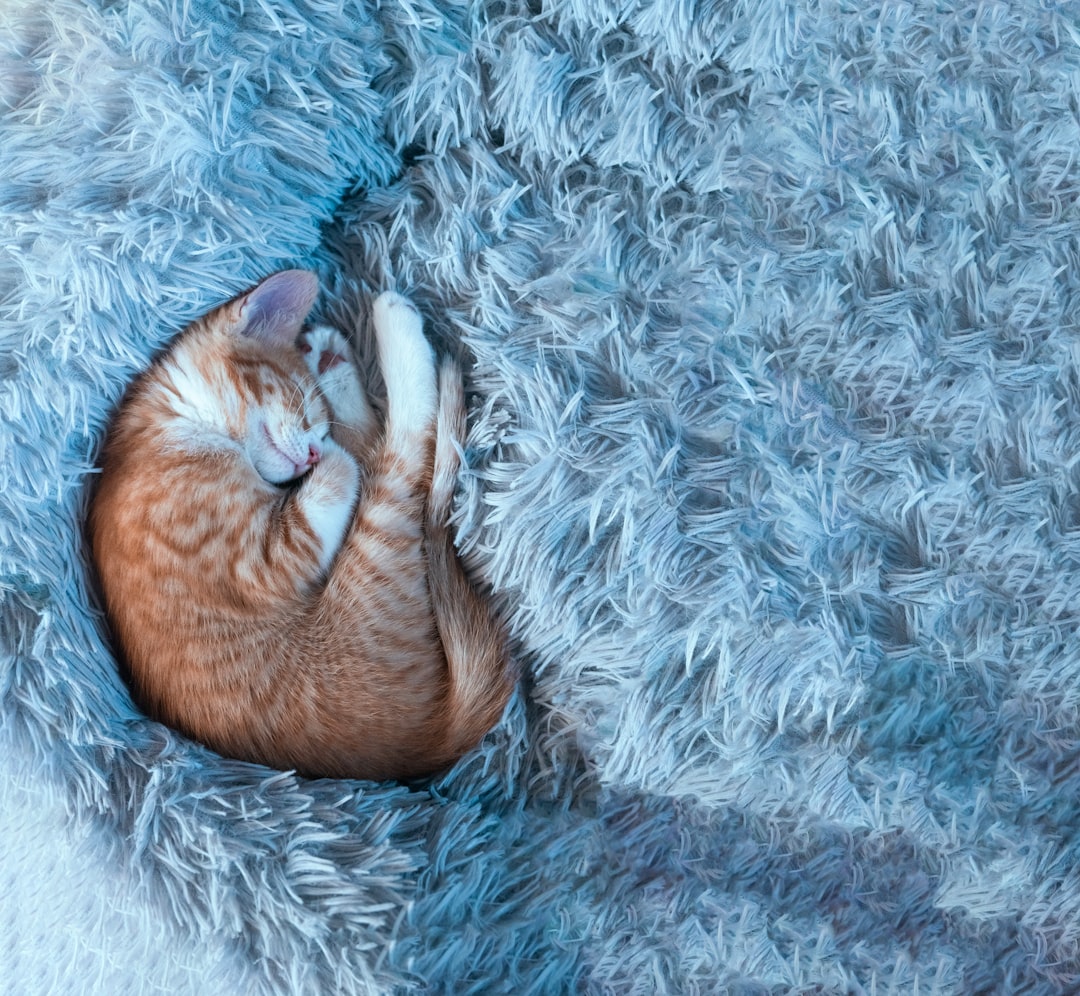
Soft blankets provide comfort and warmth. Layer them for extra insulation. Use materials like fleece or wool. They trap heat well. Create a nest-like area for the kittens. This mimics their natural environment. Bedding should be clean and dry. Moisture can lead to illness. Regularly check for dampness.
Nutrition And Hydration
Newborn kittens need warmth to survive cold weather. Adequate nutrition and hydration are crucial for their survival. Proper care ensures they stay healthy and grow strong.
Taking care of newborn kittens in cold weather can be challenging, especially when it comes to ensuring they receive the proper nutrition and hydration. Just like any other living creature, kittens require a balanced diet and adequate water intake to thrive, especially when the temperatures drop.
Feeding Frequency
Newborn kittens have tiny stomachs but high energy needs. They typically need to be fed every two to three hours. Have you ever wondered how much a tiny kitten can eat in one sitting? It might surprise you that even a small amount of food can give them the energy they need. If you’re bottle-feeding, use kitten formula, not cow's milk. Cow’s milk can upset their stomachs. If you’ve ever tried to feed a kitten who refuses to eat, you know how nerve-wracking it can be. Stick to a schedule to ensure they’re getting enough nutrients.
Ensuring Adequate Hydration
Hydration is just as crucial as feeding, especially in cold weather when dehydration can sneak up unexpectedly. Newborn kittens get most of their water from their food. But if you're bottle-feeding, make sure the formula is mixed correctly to provide enough fluids. Have you ever felt parched on a cold day, only to realize you haven’t drunk enough water? Kittens can experience the same thing. Monitor their hydration by checking if their skin is elastic and their gums are moist. If a kitten appears lethargic or has dry gums, it might need more fluids. In such cases, consult with a vet immediately. Your proactive steps can make the difference between health and distress for these vulnerable little creatures. By ensuring proper nutrition and hydration, you’re not just feeding kittens; you’re giving them a fighting chance against the harshness of cold weather. What other steps do you take to care for vulnerable pets in challenging conditions?
Monitoring Health And Behavior
Newborn kittens face challenges in cold weather due to their fragile bodies. Keeping them warm is vital for survival. Regular monitoring of their health and behavior ensures they stay safe and thrive.
Monitoring the health and behavior of newborn kittens is crucial, especially in cold weather. As you navigate the early days of your kitten's life, it's vital to be vigilant about their well-being. Cold weather can pose serious risks to their fragile bodies, making it essential to keep an eye on their health and behavior. You might wonder, how can you effectively monitor your tiny furry friends during these chilly times?
Regular Check-ups
Scheduling regular check-ups with your veterinarian can make a world of difference. These visits provide reassurance that your kittens are developing normally and help catch any issues early. Your vet can also offer valuable tips on how to care for newborns in cold conditions, ensuring they stay warm and healthy. At home, simple daily health checks can be equally valuable. Examine their eyes, ears, and nose for any unusual discharge. Pay attention to their breathing and make sure it sounds normal. If you notice anything unusual, don't hesitate to consult your vet.
Behavioral Indicators
Behavior is a key indicator of your kitten's health. Are they nursing well? Healthy kittens should nurse every couple of hours. If they seem lethargic or less active, it could be a sign they are not feeling well. Watch for shivering or excessive crying. These can be signs of being too cold. A cozy, warm environment is crucial, so adjust the temperature or add extra bedding if needed. Have you ever noticed a change in their sleeping patterns? Kittens usually sleep a lot, but excessive sleepiness or trouble waking up can signal a problem. Observing these behavioral cues can help you act quickly, ensuring your kittens grow into healthy cats. Taking the time to monitor your kittens' health and behavior can significantly impact their survival in cold weather. By staying proactive, you're not only safeguarding their health but also strengthening the bond you share with these tiny new family members.
Emergency Measures For Hypothermia
Newborn kittens face risks in cold weather. Immediate warmth can prevent hypothermia. Use a heating pad or warm towels. Check for signs of cold stress. Trembling and weakness indicate trouble. Warm gently. Keep them dry. Monitor closely.
Newborn kittens are incredibly fragile, especially in cold weather. Hypothermia can quickly become a life-threatening situation for these tiny creatures. Acting fast is crucial to ensure their survival. Have you ever found yourself in a situation where you had to step in to save a life? Here are some emergency measures you can take if you suspect a kitten is suffering from hypothermia.
Immediate Actions
The first thing you need to do is get the kitten warm. Wrap them in a soft, dry towel and hold them close to your body. Your body heat can be a temporary lifesaver. You may also use a heating pad set on low. Place a blanket between the pad and the kitten to avoid burns. Is your home without a heating pad? Fill a bottle with warm water and wrap it in a towel for an improvised heat source. Check their temperature. A healthy kitten's body temperature should be between 99°F and 102°F. If it's lower, it's time to act quickly.
Seeking Veterinary Help
While warming them up is a good start, you should reach out to a vet as soon as possible. Professional guidance can make all the difference. Veterinarians can offer more advanced treatment options. They may administer warm fluids or even oxygen. Have you ever wondered how quickly hypothermia can escalate without professional help? Sometimes, the signs of hypothermia are subtle. If you're unsure, don't hesitate to call the vet for advice. Better to be safe than sorry. Your swift actions can be the difference between life and death for these vulnerable kittens. Remember, there's no time to waste when it comes to their survival in cold weather. What will your next move be?
Preventive Measures
Newborn kittens are vulnerable to cold weather. They need warmth for survival. Taking preventive measures can protect them from harsh conditions. Proper planning ensures their safety and health during cold spells.
Weather Forecast Preparations
Check the weather forecast regularly. Knowing upcoming conditions helps plan better. Prepare your kitten's environment before cold weather hits. Ensure their sleeping area is dry and warm. Use heating pads or blankets for extra warmth. Adjust room temperature to keep it cozy. Avoid placing kittens near windows or doors where drafts occur.
Long-term Care Strategies
Provide consistent warmth even when temperatures fluctuate. Insulate their sleeping area with soft bedding. Consider using a low-wattage heat lamp. Keep kittens indoors during cold weather. Regularly check their temperature and health. Monitor their behavior for any signs of discomfort. Ensure they have adequate nutrition. Proper nutrition aids in maintaining body heat. Consult a veterinarian for tailored advice if needed.
Frequently Asked Questions
How Cold Is Too Cold For Newborn Kittens?
Newborn kittens are vulnerable to cold temperatures, especially below 85°F (29°C). Their small bodies cannot regulate heat efficiently. Keeping them in a warm, draft-free environment is crucial. Cold weather can lead to hypothermia, which is dangerous. Always ensure they have a heat source, like a heating pad.
Can Newborn Kittens Survive Outside In Winter?
Newborn kittens struggle to survive outside in winter. They lack the body fat and fur to stay warm. Exposure to cold can lead to hypothermia and fatality. If you find outdoor kittens in winter, provide immediate warmth and shelter. Consult a vet for further care advice.
What Temperature Is Safe For Newborn Kittens?
A safe temperature for newborn kittens is between 85°F and 90°F (29°C to 32°C). This range helps prevent hypothermia. Use heating pads or warm blankets to maintain this temperature. Monitor regularly to avoid overheating. Always provide a cozy, insulated space for their comfort and safety.
How Do I Keep Newborn Kittens Warm?
To keep newborn kittens warm, use heating pads or warm blankets. Ensure their bedding is dry and insulated. Keep them indoors, away from drafts. Regularly monitor their environment's temperature. Maintaining warmth is essential for their health and survival, especially in colder weather conditions.
Conclusion
Caring for newborn kittens in cold weather is crucial. Their fragile bodies need warmth. Without it, survival becomes difficult. Provide a cozy, warm space for them. Consider using soft blankets and heating pads. Keep the area draft-free. Always check their temperature and activity levels.
Consult a vet if unsure about their care. Warmth and attention are key to their survival. By ensuring these, you help them thrive. Kittens grow strong and healthy with your care. Your efforts make a big difference. Remember, their life depends on warmth and love.
Keep them safe and secure.