Imagine stepping into your backyard and being greeted by the elegant sway of palm trees, even as a crisp winter breeze brushes past. It sounds like a dream, doesn't it?
You might think these tropical beauties are only reserved for sun-soaked beaches, but here's a surprising twist: some palm trees can brave the cold! If you've ever wondered whether you can bring a touch of the tropics to your chilly climate, you're in the right place.
This article will reveal which palm trees can withstand the cold and how you can transform your landscape into a year-round paradise. Stay with us to discover how you can enjoy the lush allure of palms without booking a plane ticket to the tropics.
Cold-hardy Palm Varieties
Surprisingly, some palm trees endure cold temperatures. Varieties like Windmill Palm and Needle Palm thrive in chilly climates. These resilient palms add a tropical feel to colder regions without fear of frost damage.
Palm trees often evoke images of tropical paradises, but did you know some varieties can brave cold climates? These cold-hardy palms bring a touch of the tropics to places where snowflakes occasionally fall. If you're eager to add a palm to your landscape, even in cooler regions, you're in luck. There are specific types of palms that are surprisingly resilient and can withstand chilly temperatures.
Types Of Cold-tolerant Palms
Several palm species have adapted to thrive in colder environments. The Windmill Palm, for instance, can endure temperatures as low as 10°F (-12°C) and still maintain its graceful appearance. Needle Palms, native to the southeastern United States, are also known for their hardiness, surviving even when the mercury drops to 0°F (-18°C). Another option is the European Fan Palm, which stands out with its bushy and robust nature. When selecting the right palm for your garden, consider its cold tolerance. Not all palms can survive frost, so choose wisely. It's fascinating how these palms can adapt and flourish despite the cold.
Characteristics Of Hardy Palms
What makes these palms so tough? Their ability to withstand cold is due to several key features. Many cold-hardy palms have a fibrous trunk that offers extra protection against icy winds. Their leaves are often tough and waxy, reducing water loss during freezing conditions. Additionally, these palms tend to have a slower growth rate, allowing them to conserve energy during the colder months. Their resilience isn’t just about surviving; it’s about thriving in challenging conditions. Imagine your backyard turning into a mini oasis, even in winter. Wouldn't it be exciting to witness your palm standing tall amidst the frost? Consider planting one of these hardy palms and watch your garden transform. What challenges have you faced in trying to grow tropical plants in your area? Share your experiences and let’s discuss how to turn those obstacles into opportunities.
Climate Adaptation Strategies
Some palm trees can withstand cold weather. Varieties like Windmill and Needle palms endure freezing temperatures. These resilient species adapt well to colder climates, offering a tropical feel even in wintery conditions.
In the world of palm trees, many people assume these tropical beauties can't withstand cold weather. But guess what? Some palm trees have adapted to chilly climates, embracing strategies that help them survive and thrive. Whether through natural evolution or human intervention, these palms offer a fascinating glimpse into the resilience of nature. Let’s dive into the climate adaptation strategies that enable certain palm species to brave the cold.
Natural Adaptations
Nature often finds a way to surprise us with its ingenuity. Some palm trees develop thicker trunks and denser foliage to combat the cold. These natural adaptations act as insulation against freezing temperatures. Certain palms like the Windmill Palm have adapted to cooler climates by growing slower. This gradual growth allows them to conserve energy during harsh winters. Ever noticed palms with a bluish tint on their leaves? This is a natural adaptation that helps them reflect sunlight more efficiently, keeping them warm even when the mercury drops.
Human-assisted Techniques
While nature does its part, humans have also stepped in to assist palms in their cold-weather survival. Ever thought of wrapping a palm tree? Gardeners often use burlap or frost blankets to protect palms from frostbite during winter. You can plant cold-resistant palm species like the Needle Palm or Sabal Palm. These species have been bred for their hardiness and ability to withstand lower temperatures. Creating microclimates in your garden is another technique. By planting palms near walls or other structures, you can shield them from icy winds, providing a warmer environment. Have you tried using mulch? It's a simple technique that insulates the roots, keeping them safe from frost. Do you think palm trees could be part of your garden’s winter landscape? If so, consider these strategies to ensure they flourish through all seasons. The world of palm trees is more adaptable than you might think!
Regions Supporting Cold-hardy Palms
Certain regions support cold-hardy palms, which can survive chilly climates. Places like the Pacific Northwest, Southeast U. S. , and coastal areas offer suitable environments. These resilient palms thrive even when temperatures dip, bringing a tropical touch to cooler landscapes.
Palm trees are often associated with tropical beaches and warm climates, but did you know some varieties can withstand colder temperatures? These cold-hardy palms have found homes in various regions around the world, proving that the dream of having palm trees in your backyard doesn't have to be limited to the tropics. Let's explore some of these regions that support cold-hardy palms and discover where you might be able to grow these resilient beauties.
North American Regions
In North America, cold-hardy palms can be found thriving in unexpected areas. The Pacific Northwest, for instance, hosts the Windmill Palm, known for enduring temperatures as low as 10°F. It's a surprising sight amidst the evergreen pines and maple trees. The southeastern United States, particularly Georgia and the Carolinas, also supports these palms. Here, the Sabal Palmetto, also known as the Cabbage Palm, stands tall in coastal areas. It can survive brief cold snaps, adding a tropical flair to these southern landscapes.
European Locations
Europe has its share of regions where cold-hardy palms flourish. In the UK, the coastlines of Cornwall and Devon boast the Chusan Palm, which can tolerate temperatures as low as 5°F. Its presence adds an exotic touch to the otherwise temperate gardens. Further south, in the Mediterranean, you’ll find palms like the European Fan Palm gracing Spanish and Italian gardens. These palms endure mild winters and thrive, providing year-round greenery and elegance. Wouldn't it be intriguing to see palm trees swaying in chilly winds rather than basking in the sun? The potential for growing these palms in colder climates opens up new landscaping possibilities. Have you ever thought about adding a cold-hardy palm to your garden? It might be more feasible than you imagine.
Growing Conditions For Survival
Certain palm trees can withstand cold climates, thriving even in chilly weather. Hardy varieties like the Windmill Palm and Needle Palm are well-suited for cooler environments. They bring a touch of the tropics to temperate regions, making them popular choices for landscaping in colder areas.
Growing palm trees in cold weather can seem like a daunting task. However, with the right knowledge and care, it is indeed possible. Understanding the specific growing conditions that these resilient palms need can make all the difference in ensuring their survival.
Soil Requirements
Palm trees that can brave the cold need well-draining soil. This is crucial because roots sitting in waterlogged soil can freeze and damage the tree. Consider mixing sand or gravel into the soil to improve drainage. You might be surprised to learn that adding organic matter can also help. It not only enriches the soil but also maintains an ideal moisture level. Have you checked the pH of your soil? Palms generally prefer slightly acidic to neutral pH levels.
Watering Needs
Cold-hardy palms require a careful balance of watering. Overwatering can lead to root rot, especially in chilly climates. However, underwatering can stress the tree and make it more vulnerable to cold damage. During the growing season, make sure your palm gets regular watering. But as temperatures drop, reduce the frequency. Have you tried watering early in the day? This gives the water a chance to soak in before the temperatures fall at night.
Sunlight Exposure
Sunlight is vital for palm trees, even those that can withstand the cold. Most cold-hardy palms still need full sun to thrive. Position your palm where it can soak up as much light as possible. Have you considered the winter sun angle? It's lower, meaning your palm might not get as much light as in the summer. You might need to trim nearby plants or reposition your palm slightly to ensure it basks in the sun. Growing cold-tolerant palms requires attention to these crucial conditions. Are you ready to see your palm thrive in a climate you never thought possible?
Protective Measures In Winter
Some palm trees can handle cold weather with proper care. Species like the Windmill Palm thrive in chilly climates. Ensure mulch and burlap protect roots from frost.
Winter can be a challenging time for palm trees, especially if they’re not naturally suited to cold weather. But don't worry—there are practical measures you can take to protect these tropical beauties from the chill. Whether you're a seasoned gardener or a newbie, employing the right strategies can help your palms survive even the most biting winter winds. Let’s dive into some protective measures you can implement to ensure your palm trees make it through the colder months unscathed.
Covering Techniques
One of the simplest ways to shield your palm trees from the cold is by covering them. Consider using burlap or frost cloth. These materials allow the tree to breathe while providing insulation against frost. Wrap the material around the trunk and fronds. Make sure it's secure but not too tight. This method offers an additional layer of protection, helping to retain warmth overnight. Do you live in an area with strong winds? If so, reinforcing your cover with stakes can prevent it from blowing away. This small step can make a big difference in keeping your palm tree cozy.
Heating Solutions
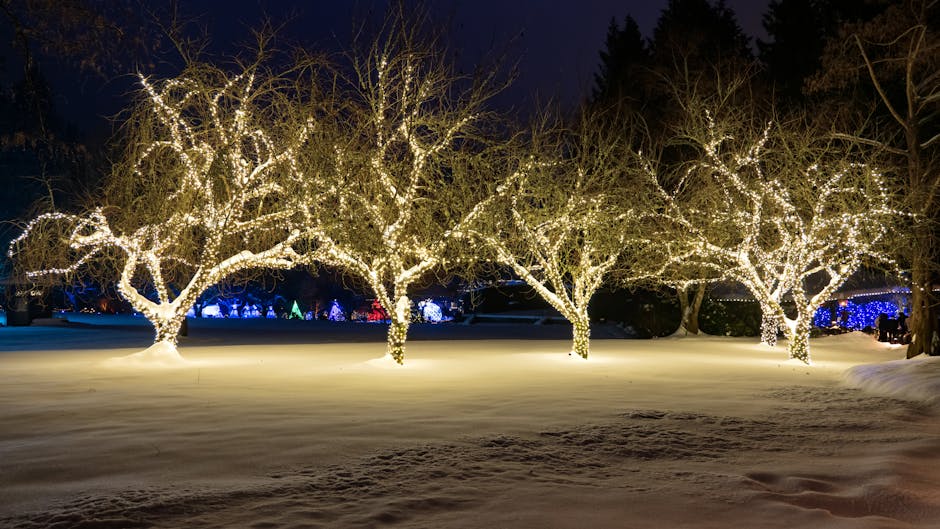
Heating solutions can give your palm trees the extra warmth they need during an unexpected cold snap. Try using outdoor heat lamps or string lights. These options are effective and relatively easy to set up. Position the heat source near the trunk. Ensure it’s close enough to provide warmth but far enough to avoid causing damage. This setup can create a comforting micro-climate around your palm tree. Have you ever thought about using a small space heater? In more extreme conditions, placing one nearby can be a game-changer. Just be cautious with placement and safety guidelines to prevent any hazards.
Mulching Tips
Mulching is a fantastic way to protect the roots of your palm tree from freezing temperatures. Add a layer of organic mulch like wood chips or straw around the base. This acts as a barrier, keeping the soil temperature stable. The mulch layer should be about 2-3 inches thick. Too much mulch can suffocate the roots, while too little won’t provide adequate insulation. Finding the right balance is key. Have you considered refreshing the mulch layer periodically? As mulch breaks down, it loses its insulating properties. Keeping it fresh can enhance its protective benefits throughout the winter. By taking these steps, you can help your palm trees withstand the winter chill. Each technique offers unique benefits and, when combined, they provide comprehensive protection. So, are you ready to give your palm trees the winter armor they need?
Popular Cold-hardy Palm Species
When you think of palm trees, you might envision tropical beaches and warm climates. But did you know there are palm trees that can brave the chill of colder regions? These cold-hardy palms have adapted to withstand lower temperatures, making them a perfect choice for gardeners looking to add a touch of the tropics to their landscapes. Let's dive into some of the most popular cold-hardy palm species and discover how they can thrive in your garden.
Windmill Palm
Windmill Palms are a favorite among gardeners in colder climates. They stand tall with fan-shaped leaves that provide a striking visual contrast. These palms can tolerate temperatures as low as 10°F (-12°C), making them suitable for regions with mild winters.
Planting a Windmill Palm in your yard can be a conversation starter. Imagine the surprise of your neighbors when they see a palm tree standing strong amidst snow! If you're thinking of adding one, ensure it's in a spot that gets ample sunlight.
Needle Palm
The Needle Palm is exceptionally cold-hardy, surviving temperatures down to 5°F (-15°C). It's one of the most resilient palm species, often found thriving in unexpected places. Its dense foliage and small stature make it a perfect choice for those with limited space.
Needle Palms are a testament to nature's adaptability. Have you ever considered how a palm tree could survive a snowy winter? It's fascinating! If your garden faces harsh conditions, this palm could be the resilient companion you need.
European Fan Palm
European Fan Palms, also known as Mediterranean Fan Palms, offer versatility and charm. They can handle temperatures as low as 10°F (-12°C). Their unique fan-shaped leaves and bushy appearance make them a popular choice for ornamental gardens.
These palms are a perfect fit for those looking to add texture and variety to their outdoor space. Picture a garden with layers of foliage, each leaf dancing in the wind. It's achievable with the European Fan Palm. Wouldn't you love to create a garden oasis that surprises and delights?
Incorporating cold-hardy palms into your landscape can be a delightful experiment. Which palm species resonates with your vision? Whether it's the robust Windmill Palm or the adaptable Needle Palm, there's a cold-hardy option waiting to transform your garden.
Frequently Asked Questions
Can Palm Trees Tolerate Freezing Temperatures?
Some palm trees can survive freezing temperatures. Cold-hardy varieties like the Windmill Palm can withstand temperatures as low as 5°F. Choosing the right species and providing proper care are crucial for their survival in cold weather. Always research the specific needs of the palm tree you plan to grow.
What Are The Best Cold-hardy Palm Trees?
The best cold-hardy palm trees include the Windmill Palm, Needle Palm, and European Fan Palm. These varieties are known for their ability to withstand colder climates. They can survive in temperatures below freezing, making them suitable for growing in various regions with cold winters.
How Do Palm Trees Adapt To Cold Climates?
Palm trees adapt to cold climates through their hardy foliage and trunk structure. Some species have developed thicker trunks and leaves to protect against frost. Their ability to store water and nutrients also helps them endure colder temperatures and periods of stress.
Can Palm Trees Grow In Snowy Regions?
Yes, some palm trees can grow in snowy regions. Cold-hardy varieties like the Needle Palm and Windmill Palm can survive snow. However, they may require additional care, such as protection from heavy snow accumulation and cold winds, to ensure their survival in such climates.
Conclusion
Cold weather palm trees offer a unique charm to landscapes. These resilient varieties withstand chilly temperatures. Perfect for diverse climates. They add a tropical feel to gardens. Homeowners can enjoy their beauty without worry. Proper care ensures their healthy growth.
Choose the right palm for your region. Research well before planting. Consider factors like soil and sunlight. These trees can transform any outdoor space. Embrace the exotic appeal of cold-hardy palms. They bring warmth and elegance to your home. Enhance your garden with these stunning additions.
Enjoy a lush, green oasis year-round. Your garden will thank you.