Imagine you're caught in an unexpected situation, far from the comforts of your home. Whether it's a sudden storm, a power outage, or a wilderness adventure gone awry, being prepared can make all the difference.
That's where a survival kit comes in. But what exactly should you include in yours to ensure you're ready for anything? By the end of this article, you'll know exactly what essentials you need to pack. You might even discover a few surprising items that could be lifesavers.
Let's dive in and equip you with the knowledge to face any challenge head-on. Your peace of mind is just a read away.
Basic Supplies
In times of emergency, a well-prepared survival kit is crucial. Basic supplies are the foundation of your kit. They ensure safety and comfort during unexpected situations. These essentials help you manage until normalcy returns. Focus on core items to maximize your kit's efficiency.
Water And Purification
Water is vital for survival. Include at least one gallon per person per day. This amount covers drinking and hygiene needs. Store water in sturdy, leak-proof containers. Consider water purification tablets or a portable filter. These tools ensure clean, safe water in any situation. A small investment in purification can prevent health risks.
Non-perishable Food
Non-perishable food is essential in a survival kit. Choose items with long shelf lives. Canned goods, dried fruits, and nuts are good options. They provide necessary nutrients and energy. Ensure your selections are easy to prepare and consume. Opt for foods you enjoy, to maintain morale during tough times. Rotate your stock to keep it fresh and effective.
Shelter And Warmth
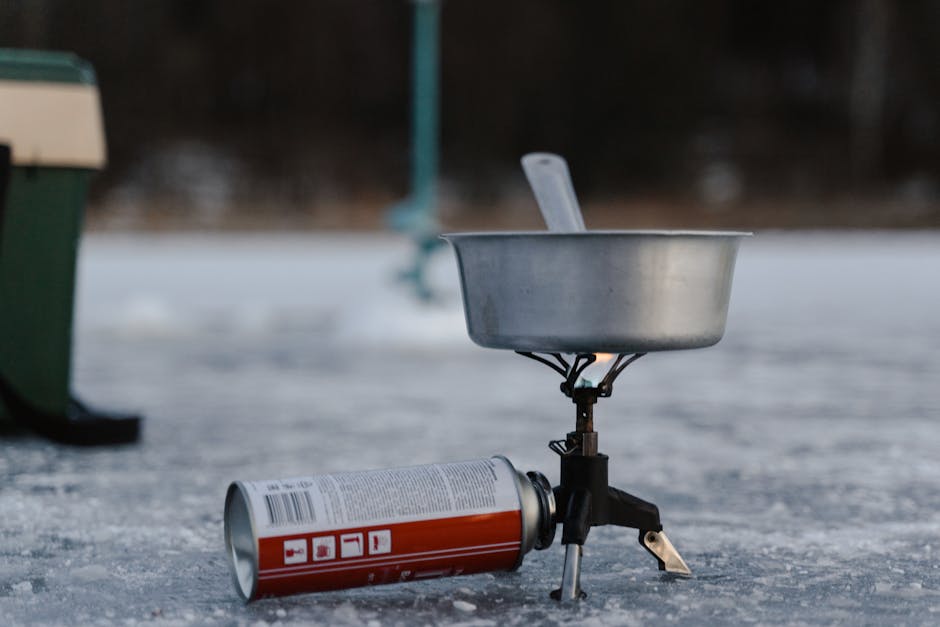
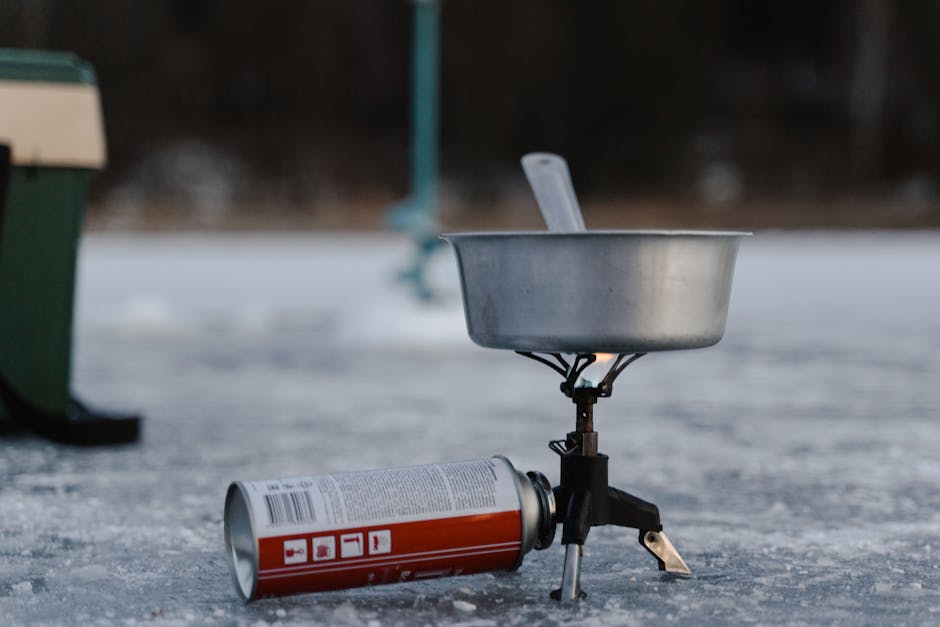
A survival kit should include essential items for shelter and warmth like a compact tent and thermal blanket. These items protect against harsh weather and keep you warm. A portable stove or fire starter is crucial for cooking and heat.
Staying prepared ensures safety in outdoor emergencies.
In any survival situation, ensuring you have adequate shelter and warmth is crucial. Imagine being caught in a sudden downpour or shivering through a chilly night. These aren't just uncomfortable situations—they can also be dangerous. That's why preparing your survival kit with the right items for shelter and warmth is essential.
Emergency Shelter Options
When nature throws a curveball, having a quick and reliable shelter option can make all the difference. A compact, portable tent is a great choice for most situations. It provides quick assembly and can protect you from rain and wind. If you’re looking for something even more lightweight, consider a bivy sack. It's essentially a waterproof cover for your sleeping bag, offering immediate protection from the elements. A simple tarp with ropes can also be a lifesaver, allowing you to create a makeshift shelter. You can set it up using trees as supports, creating a barrier against the weather.
Warm Clothing And Blankets
Keeping warm isn't just about comfort; it's about survival. Hypothermia can set in quickly if you're not prepared. Always pack a set of thermal clothing in your kit. These are designed to keep your body heat in, even in freezing conditions. Hand warmers are small but mighty, offering immediate warmth to your extremities. They’re easy to pack and can be a real morale booster in cold weather. Don’t underestimate the power of a good blanket. Consider an emergency blanket, also known as a space blanket. It reflects your body heat back to you, providing warmth without taking up much space in your kit.
Think about the last time you found yourself unexpectedly cold. What did you wish you had with you? Planning for shelter and warmth now can prevent discomfort and danger later. What will you add to your kit to ensure you stay warm and sheltered?
First Aid Essentials
A survival kit should include first aid essentials like bandages, antiseptic wipes, and pain relievers. Pack tweezers, adhesive tape, and gauze for treating injuries. Don't forget scissors and a first aid manual for guidance.
When preparing your survival kit, ensuring you have the right first aid essentials can make a crucial difference. Imagine finding yourself in an unexpected situation where immediate medical help isn't available. Your ability to address minor injuries or manage health conditions can significantly impact your well-being. You might wonder, what should your kit include to be truly effective?
Basic First Aid Items
Your survival kit should start with basic first aid items. These are the tools that can help you handle common injuries. Band-aids and gauze pads are perfect for minor cuts and scrapes. Don’t forget adhesive tape; it’s a lifesaver for keeping bandages in place. Antiseptic wipes or solutions are crucial for cleaning wounds, reducing the risk of infection. Include a pair of tweezers for removing splinters or debris. A small pair of scissors can be handy for cutting tape or gauze. Consider a CPR mask. It’s compact and can be invaluable during emergencies. Have you ever thought about including a first aid manual? It can guide you through procedures if you're unsure of what to do.
Prescription Medications
Prescription medications are often overlooked in survival kits. If you or family members rely on daily medication, pack an extra supply. This ensures continuity in treatment. Imagine being stranded without your essential meds—it’s a scenario no one wants. Store them in a waterproof bag to protect them from moisture and damage. Keep a list of your medications, including dosages and times. This information is useful if you need assistance from others during an emergency. Have you considered the importance of keeping an updated list? Incorporating these first aid essentials into your survival kit can empower you during unexpected situations. What’s in your kit today, and what might you need to add?
Tools And Equipment
A well-prepared survival kit includes essentials like a flashlight, multi-tool, first aid kit, and water purification tablets. These items help address basic needs during emergencies. Always ensure your kit is compact and easy to carry.
When preparing for any unexpected situation, having the right tools and equipment in your survival kit is crucial. These are the items that can make a significant difference in your ability to handle emergencies effectively. Whether you're camping in the wilderness or facing a natural disaster, the right tools provide versatility and reliability. But what exactly should you include in your kit? Let's dive into some essential items that you should consider.
Multi-tools And Knives
A multi-tool is one of the most versatile pieces of equipment you can have in your survival kit. These compact devices offer a variety of functions, from cutting to screwing, all in one handy gadget. Imagine needing to repair something or open a can, and all you have is a single tool that does it all. That's the power of a good multi-tool. Look for one that includes pliers, a knife, a screwdriver, and scissors. Knives, on the other hand, are indispensable for cutting and preparing food, and even for self-defense. A durable, sharp knife will serve you well, whether you're slicing through rope or carving wood for a fire. Do you have a favorite multi-tool or knife that has come through for you in a pinch?
Fire Starting Gear
Fire is essential for warmth, cooking, and signaling for help. Having reliable fire-starting gear in your survival kit is non-negotiable. While lighters are convenient, they can run out of fuel. Matches can get wet. That's why it's smart to include a fire starter, like a flint and steel or a magnesium fire starter, in your kit. These tools can ignite a fire in almost any condition. Think about the last time you tried starting a fire without proper tools. Frustrating, right? Ensuring you have the right gear means you won't be caught off guard when you need a fire the most. In the end, the tools and equipment you choose for your survival kit can be a game-changer. With the right selection, you'll be better prepared to face the unexpected. So, what will you add to your kit today?
Navigation And Communication
When you're out in the wilderness or facing an emergency, staying connected and knowing where you are can be lifesavers. Navigation and communication tools are crucial in a survival kit. They ensure you can find your way back home and alert others in case of trouble. But what exactly should you include to cover these bases?
Maps And Compass
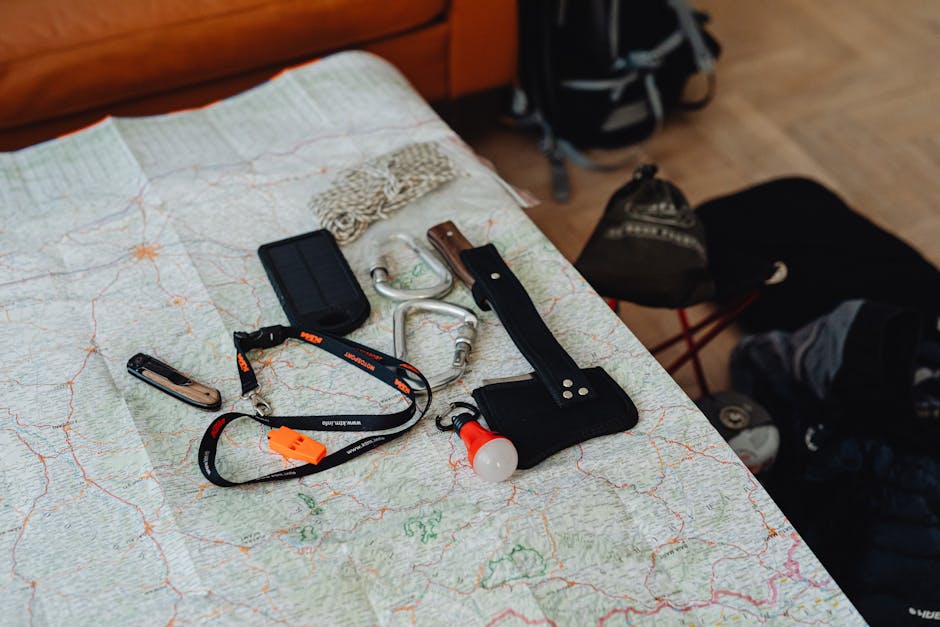
A reliable map and compass are essential. Digital devices can fail, but these tools don't rely on batteries. Imagine you're hiking in a remote area, and suddenly your phone dies. A map will help you identify landmarks and trails, while a compass keeps you oriented in the right direction.
Have you ever been on a trail where every path looked the same? That's when a map can point out specific features, helping you make informed decisions. Add a detailed map of the area you plan to visit and ensure it's waterproof. Pair it with a quality compass, and practice using them before you head out.
Emergency Radios
Emergency radios are a vital addition. They provide critical updates on weather conditions and other emergencies. Opt for a hand-crank or solar-powered model, as these don't rely on batteries. Imagine being caught in an unexpected storm; an emergency radio can alert you to incoming bad weather, allowing you to seek shelter in time.
Do you remember the last time you were without signal? An emergency radio can still connect you to the outside world when your phone fails. Choose one that offers AM, FM, and NOAA weather alerts. It’s a small investment that can make a huge difference when faced with unforeseen challenges.
So, what’s in your survival kit? Are you prepared to navigate and communicate when technology fails? Ensuring these tools are part of your kit can mean the difference between safety and being stranded. Equip yourself properly, and you’ll be ready to face whatever comes your way.
Lighting And Signal Devices
In survival situations, visibility is crucial. Lighting and signal devices help you see and be seen. These tools are essential for safety and communication.
Imagine being stranded in the wilderness at night. A reliable light source makes all the difference. Signal devices, like mirrors and whistles, can alert rescuers to your presence.
Here’s what you need for effective lighting and signaling.
Flashlights And Lanterns
Flashlights are compact and powerful. They're perfect for finding your way in the dark. Choose LED flashlights. They offer long-lasting brightness and energy efficiency.
Lanterns provide broad illumination. They’re ideal for lighting up larger areas. Opt for solar-powered or battery-operated lanterns. They ensure light even when power sources are scarce.
Carry extra batteries. Or a solar charger to keep your devices functional.
Signal Mirrors And Whistles
Signal mirrors are vital for daytime rescue signals. They reflect sunlight over long distances. Practice using them to aim accurately.
Whistles are simple, yet effective. They produce loud sounds without much effort. This can alert rescuers even in dense forests.
Choose a whistle made from durable material. Ensure it remains functional in wet conditions.
Both devices are small and lightweight. Easy to pack and carry.
Personal Hygiene
Personal hygiene is crucial in a survival situation. Staying clean helps prevent illness. It also boosts morale. A well-stocked survival kit must include hygiene essentials. These items can make a big difference.
Sanitation Supplies
Sanitation supplies are vital for maintaining cleanliness. Pack a few items for basic hygiene. Wet wipes are convenient and versatile. They clean hands and surfaces. Hand sanitizer is also a must. It kills germs when water is scarce. Include a bar of soap. It's compact and effective. A small towel or washcloth can be handy too.
Toilet paper is essential. Choose compact rolls or compressed tablets. Trash bags are useful for waste disposal. They help keep the environment clean. Consider a portable toilet option. It can be a simple bucket with a lid. Don't forget gloves. They protect hands during cleanup tasks.
Feminine Hygiene Products
Feminine hygiene products are vital for women in survival kits. Stock a variety of supplies. Sanitary pads are a reliable choice. They're easy to use and dispose of. Tampons are another option. Consider adding menstrual cups. They are reusable and space-saving.
Include items for comfort and hygiene. Disposable wipes can help with cleanliness. A small bottle of water is useful for rinsing. Pack pain relief medicine. It helps manage discomfort during menstruation. A small pouch can organize these items neatly.
Personal Protection
Personal protection is crucial in a survival situation. It ensures your safety from potential threats. Having the right gear boosts confidence and preparedness. It provides peace of mind during uncertain times.
Protective Clothing
Protective clothing shields you from harsh weather and environmental hazards. Choose items that are durable and breathable. Waterproof jackets keep you dry in the rain. Thermal wear maintains body heat in cold conditions. Sturdy boots protect feet from rough terrain and injuries. Gloves and hats offer extra protection and warmth. Camouflage clothing helps blend into natural surroundings, avoiding unwanted attention.
Self-defense Tools
Self-defense tools are vital in a survival kit. They safeguard against possible dangers. A sturdy knife is versatile for cutting and protection. Pepper spray is effective for deterring attackers. A whistle alerts others when help is needed. Personal alarms scare off threats with loud noises. Compact flashlights can disorient potential threats at night. Always keep these tools accessible and know how to use them.
Documentation And Money
Having documentation and money in a survival kit is crucial. Essential papers like IDs and cash can aid in emergencies. They ensure quick access to resources and assistance when needed most.
When preparing a survival kit, the importance of having the right documentation and money cannot be overstated. Imagine finding yourself in an emergency where access to your bank accounts is limited, or verifying your identity becomes crucial. Having essential documents and some cash on hand can save you from unnecessary stress. It’s not just about survival; it’s about maintaining a sense of control when the world around you feels uncertain.
Important Documents
Keep copies of your important documents in a waterproof bag within your survival kit. These include your ID, passport, medical records, and any legal papers like property deeds. In an evacuation scenario, having these documents will help establish your identity and access resources quickly. Consider the time you misplaced your ID just before a flight. Remember the hassle it caused? Now, picture that same stress in an emergency. A well-organized set of documents can eliminate that worry. You should also include contact information for family members and emergency contacts. Write them down on paper. Phones can die or get lost, but paper is reliable.
Cash And Coins
In emergencies, digital payments might not be an option. This is where having cash and coins becomes vital. Keep a mix of small and large denominations. Smaller bills are useful when exact change is needed, especially if ATM access is disrupted. Think about the last time you needed cash but only had your card. It’s frustrating, right? Now imagine that during a power outage. Coins are often overlooked but can be incredibly useful. They can be used for payphones or vending machines that are still operational. Have you ever been caught off guard without a quarter for a parking meter? In a survival situation, that inconvenience could mean missing out on essential resources. Reflect on your own experiences. How prepared do you feel with your current financial safety net? Preparing your survival kit with the right documentation and money can provide peace of mind and practical support when it's most needed. Prioritize these elements and ensure your readiness for any situation.
Additional Considerations
Consider having extra batteries and a whistle in your survival kit. These can be lifesavers in emergencies. Emergency blankets and waterproof matches also enhance your preparedness.
When assembling a survival kit, it's crucial to think beyond the basics. The essentials like food, water, and shelter are just the starting point. Additional considerations can significantly enhance your preparedness. These considerations ensure your kit is tailored to your unique needs, making it truly effective in any emergency scenario. Let's dive into some of these considerations.
Customizing For Climate
Your environment plays a huge role in determining what should be in your survival kit. If you live in a cold climate, adding hand warmers, thermal blankets, and extra layers is vital. Conversely, in a tropical area, light clothing, sunscreen, and insect repellent are indispensable. Think about the weather patterns in your area. Is it prone to floods, earthquakes, or severe storms? Customize your kit with items that address these specific challenges.
Special Needs And Pets
Do you have family members with special needs? If so, your survival kit should include necessary medications and mobility aids. Likewise, your furry friends require attention too. Include pet food, water bowls, and any medications your pets might need. It's easy to overlook these details until you're in an emergency. Remembering them now ensures everyone is cared for when it matters most. Taking time to consider these additional elements can transform your survival kit from ordinary to extraordinary. What unique items might you need to add to your kit?
Frequently Asked Questions
What Are Essential Items For A Survival Kit?
A survival kit should include water, non-perishable food, a first aid kit, flashlight, batteries, and a multi-tool. Also, pack a whistle, emergency blanket, and matches. These essentials ensure safety and preparedness for unexpected situations.
How Much Water Should Be In A Survival Kit?
Include at least one gallon of water per person per day. This amount covers drinking and sanitation needs. It is recommended to have a three-day supply for emergencies.
Why Is A First Aid Kit Important?
A first aid kit is crucial for treating injuries during emergencies. It helps manage cuts, burns, and sprains. Having one ensures quick response to medical issues until professional help arrives.
How Often Should I Update My Survival Kit?
Review and update your survival kit every six months. Check expiration dates on food, water, and medications. Replace any expired or damaged items to maintain readiness.
Conclusion
A well-prepared survival kit can save lives. It provides essential tools and supplies. Keep your kit updated with fresh items. Regularly check for expired goods. Tailor your kit to your specific needs and environment. Include basics like water, food, and first aid.
Don't forget a flashlight and batteries. A whistle can help signal for help. Maps are crucial for navigation. Pack wisely and keep it accessible. Remember, preparation brings peace of mind. You never know when you might need it. Stay safe and ready for any situation.