As winter approaches, you might find yourself wondering, "Can cats survive cold weather?" It's a question that has sparked curiosity and concern among pet owners, leading many to seek answers on platforms like Yahoo Answers.
You love your feline friend and want to ensure they're safe and comfortable, even when temperatures drop. We’ll uncover essential insights about how cold weather affects cats and what steps you can take to protect them. Imagine the peace of mind you'll feel knowing your furry companion is happy and healthy, regardless of the chill outside.
Stay with us, because the tips you’ll discover could make all the difference for your beloved pet this winter.
Cold Weather Tolerance In Cats
Cats are fascinating creatures with a remarkable ability to adapt to various environments. However, as winter approaches, many cat owners find themselves wondering: can cats truly withstand cold weather? Understanding how your furry friend tolerates cold temperatures is crucial for their well-being and health. This section will explore the ins and outs of cold weather tolerance in cats, offering practical advice and insights.
Understanding Your Cat's Natural Insulation
Most cats have a natural layer of insulation that helps keep them warm. Their fur traps heat close to the body, providing some protection against the cold. But, not all cats are created equal. Breeds like Maine Coons and Norwegian Forest Cats have thicker coats and may handle cold better than short-haired breeds.
Consider your cat's breed when assessing their cold tolerance. If your cat shivers or seeks out warmth, it might need extra protection during chilly days.
Behavioral Signs Of Cold Stress
Your cat's behavior can give you clues about how they're feeling in colder weather. If your cat huddles or curls up tightly, it's likely trying to conserve warmth. Excessive sleeping or lethargy might indicate cold stress.
Be attentive to these signs. If your cat seems uncomfortable or stressed, you may need to adjust their environment to keep them cozy.
Creating A Warm Environment
Simple adjustments can ensure your cat stays warm and safe. You can add blankets or heated beds in their favorite spots. These additions provide extra warmth and comfort.
Ensure your home isn't too drafty. Seal windows and doors to prevent cold air from creeping in, especially where your cat spends most of its time.
Outdoor Cats: Special Considerations
If your cat enjoys the outdoors, extra precautions are necessary during cold months. Consider building a sheltered area with blankets or straw for insulation. This provides a safe haven from harsh weather.
Think about your cat's routine. Do they linger outside longer than usual? Monitoring their outdoor time is key to ensuring they don't get too cold.
Diet Adjustments For Cold Weather
During colder months, your cat might need more calories to maintain body heat. Consult with your vet to see if dietary changes are necessary. A balanced diet can help your cat stay energetic and warm.
Does your cat seem hungrier when it's cold? This might be a sign to tweak their meal portions slightly.
Final Thoughts: Are You Prepared?
Cold weather tolerance varies significantly among cats. It's essential to observe your pet's reactions and adjust their environment accordingly. Are you ready to keep your cat cozy this winter?
By being proactive and attentive, you can ensure your feline friend stays comfortable and healthy during the colder months. Remember, your cat relies on you to create a safe and warm habitat!
Signs Of Cold Stress In Cats
Cold weather can be tough on cats. Shivering, lethargy, and seeking warm places are signs of cold stress. Cats may also have cold ears and paws. It is crucial to keep them warm and safe.
Understanding the signs of cold stress in cats is essential for ensuring your feline friend stays safe and healthy during chilly weather. Cats can be surprisingly resilient, but they are not immune to the effects of cold temperatures. Knowing what to look for can help you protect your cat from the dangers of the cold.
Html Syntax: Recognizing Shivering And Trembling
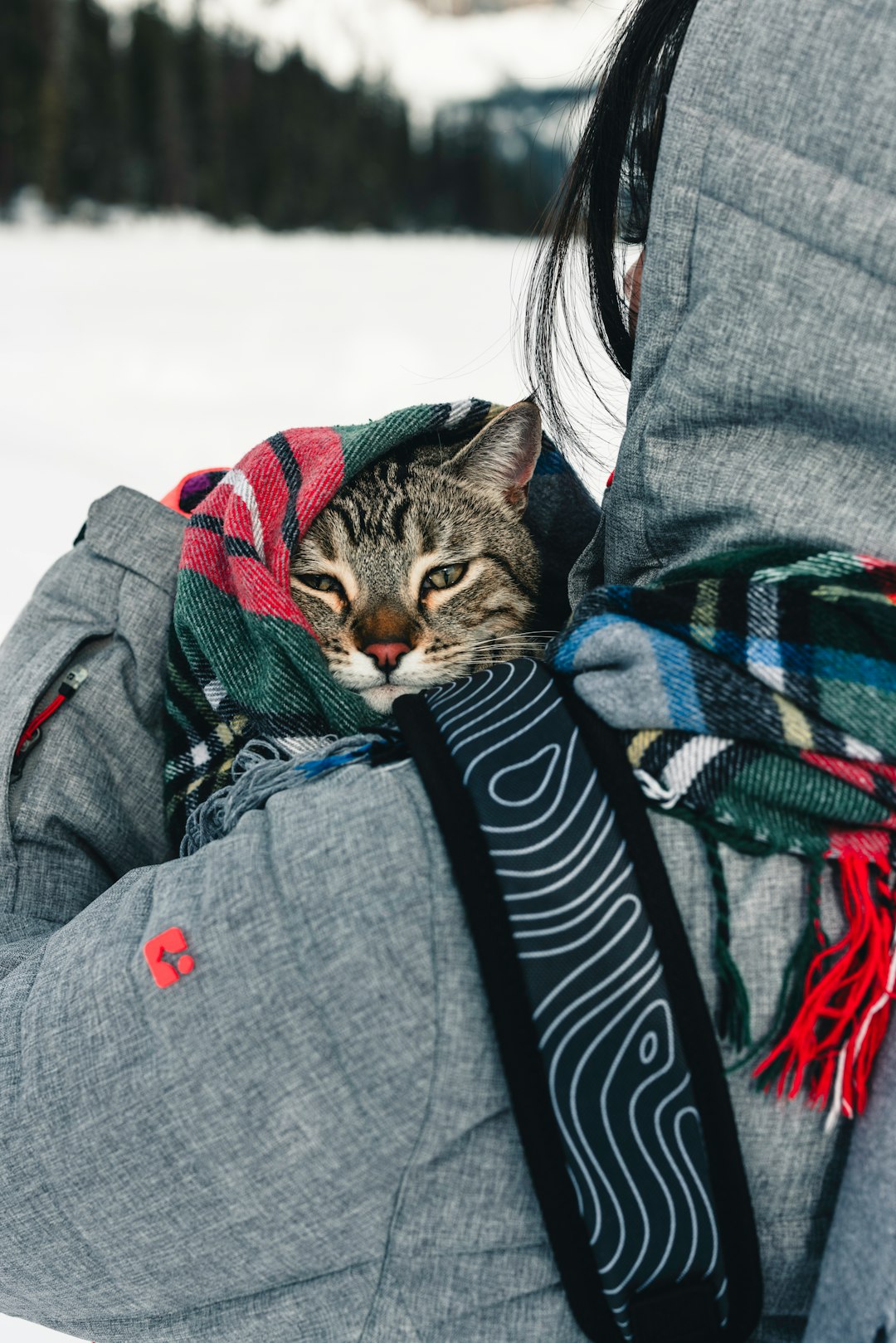
When your cat starts shivering, it's a clear sign they are cold. Much like humans, cats shiver to generate warmth. If you notice your cat trembling, it's time to take action and warm them up. Consider wrapping your cat in a cozy blanket or encouraging them to snuggle in a warm spot. You might be amazed at how quickly they gravitate toward warmth.
Html Syntax: Watching For Lethargy And Weakness
Cold stress can make your cat feel tired and weak. If your usually playful cat suddenly seems uninterested in their favorite toys or is sleeping more than usual, they might be feeling the cold. Engage your cat in gentle play to encourage movement and warmth. If their lethargy persists, it may be a sign of a more serious issue.
Html Syntax: Checking For Pale Or Discolored Skin
Cats with cold stress may show changes in their skin color. Pale or bluish skin, especially around the ears and nose, can indicate reduced blood flow due to cold temperatures. This is a sign that immediate warmth is needed. Do you have a favorite sweater or scarf to share with your cat for extra warmth?
Html Syntax: Listening For Unusual Vocalizations
Cats might meow more often or in an unusual way when they're uncomfortable. If your cat is vocalizing more, they could be trying to tell you they're cold. Pay attention to these changes and provide them with a warm, comfortable environment. Have you noticed your cat's vocal cues during cold snaps?
Html Syntax: Observing Changes In Eating And Drinking Habits
A cold cat might eat or drink less than usual. Reduced food and water intake can be an indicator of stress or discomfort from the cold. Ensure their food and water aren't too cold and encourage regular intake to keep their energy levels up. Are you monitoring your cat's eating habits during colder months? Being attentive to these signs can help you act quickly to keep your cat safe and warm. What changes have you noticed in your cat during cold weather? Share your experiences to help fellow cat owners.
Ideal Indoor Environment
Creating an ideal indoor environment for your cat during cold weather is crucial for their comfort and health. Cats may seem independent, but they rely on us to ensure their well-being, especially when temperatures drop. By making small changes to your home, you can create a safe haven for your feline friend.
Heating Options
Your cat loves warmth, and there are simple ways to keep them cozy. Consider using space heaters in areas where your cat spends most of their time. They're efficient and can warm up a room quickly.
Another option is heated cat beds. These are perfect for providing consistent warmth. It's like having a cozy blanket that never gets cold.
Have you thought about using heating pads? They're versatile and can be placed in your cat's favorite spots. Just ensure they have a cover to prevent overheating.
Cozy Spaces
Creating cozy spaces is about more than just warmth; it's about comfort. Your cat needs nooks where they can snuggle and feel safe. Add soft blankets or pillows in their favorite sleeping areas.
A cardboard box with a blanket inside can become a perfect hideaway. Cats love boxes, and they offer insulation from the cold.
Do you have a sunny window? Create a perch there. Even in winter, the sun's rays can warm your cat and brighten their day.
Think about how you feel on a chilly day. You likely reach for a warm drink or a soft sweater. Your cat seeks similar comfort in their environment. By considering their needs, you create a space where they thrive, even when it's cold outside.
Outdoor Cats And Cold
Winter poses challenges for outdoor cats. Cold weather can be harsh and unforgiving. Cats have natural instincts to survive. Yet, they need some help during extreme cold. Providing shelters and adopting safe habits can ensure their well-being.
Building Shelters
Creating a warm shelter is essential. Use sturdy materials like wood or plastic. Insulate with straw or blankets to retain heat. Ensure the entrance is small to keep warmth inside. A flap over the entrance can block cold wind. Elevate the shelter to avoid water or snow. Place it in a quiet, hidden spot for safety.
Safe Outdoor Habits
Check on outdoor cats regularly. Ensure they have access to fresh water. Water can freeze quickly in winter. Use heated bowls to prevent this. Feed them more food to maintain energy levels. High-calorie food helps them stay warm. Watch for signs of frostbite or hypothermia. Cats may shiver or have pale skin. Act quickly if they show any symptoms.
Nutritional Needs In Winter
Cats need extra care in winter. Cold weather demands more calories to maintain body heat. Protein-rich diets help them thrive and stay warm.
As the temperature drops, you might notice your cat seeking out the warmest spots in the house, or maybe even snuggling with you more often. But have you thought about what they need nutritionally during the chilly months? Cats, like humans, have different needs when it gets cold. Ensuring they get the right nutrients can help them stay healthy and comfortable during winter. Let's dive into how you can support your feline friend with the right diet.
Caloric Intake
Cats burn more energy trying to stay warm in cold weather. This means they may need more calories to maintain their body temperature. Consider increasing their food portions slightly, especially if your cat spends time outdoors. You might wonder how much more to feed them. A good rule is to start with a 10% increase and monitor their weight. If they start gaining too much, scale back a little. Every cat is different, so adjust based on their activity level and body condition.
Hydration Tips
Cold weather might make your cat less inclined to drink water. This can be tricky since dehydration can be a concern. Cats often prefer running water, so consider using a cat water fountain to encourage them to drink more. You can also add moisture to their diet by offering wet food. It's an easy way to boost their water intake. If they’re not fans of wet food, try adding a little warm water or broth to their dry kibble. Always ensure the broth is free from onions and garlic, as these are harmful to cats. As you make these adjustments, observe your cat’s behavior and health closely. Are they more playful? Do they seem more satisfied after meals? Your attentive care can make all the difference in keeping your cat happy and healthy during the winter months.
Grooming And Fur Care
Cats can endure cold weather with proper grooming and fur care. Their thick coats provide natural insulation. Regular brushing helps maintain fur health, ensuring warmth during chilly months.
Cats are known for their independent nature and ability to adapt to various environments, including cold weather. However, one aspect that often requires your attention is their grooming and fur care. Proper grooming not only keeps your feline friend looking sharp but also ensures they stay warm during chilly days. Just like you wouldn’t want to wear a tangled sweater in winter, cats benefit from clean, well-maintained fur. Let's dive into some practical tips to help your cat's coat remain in top condition.
Importance Of Brushing
Regular brushing is crucial for your cat's health and comfort. It helps remove loose hair and reduces shedding. This can prevent the formation of hairballs, which are uncomfortable for cats. Brushing also stimulates the skin, promoting better blood circulation. This can enhance the natural oil production, keeping the coat shiny and insulated against the cold. Think about those moments when your cat snuggles up next to you; brushing strengthens your bond. It's a simple act that shows your care and attention.
Preventing Fur Mats
Fur mats can be problematic, especially in colder months when your cat might spend more time indoors. Mats not only look unsightly but can cause discomfort and skin problems. Using a detangling spray or a specialized comb can help you gently work through any knots. Regular checks can prevent these mats from becoming severe. Ask yourself, how would you feel wearing a coat full of knots? Making sure your cat’s fur is free from mats ensures they are comfortable and happy. Incorporate these grooming habits into your routine, and your cat will enjoy the cold months with a cozy, well-kept coat.
Recognizing Hypothermia
Recognizing hypothermia in cats is crucial, especially when temperatures drop. Cats, like humans, can suffer from the cold, leading to severe health issues if not addressed promptly. You might wonder, how does a cat's body signal distress in freezing weather? It's vital to know these signs to act swiftly and ensure your feline friend stays safe.
Symptoms To Watch
Hypothermia can sneak up on your cat, so vigilance is key. Look for signs such as shivering, lethargy, and weakness. Your cat might seem unusually sleepy or unresponsive. Pay attention to their breathing; slow or shallow breaths can indicate trouble. Cold ears and paws are another red flag. Remember, any odd behavior warrants a closer look.
Emergency Measures
What should you do if you suspect hypothermia? First, gently warm your cat by wrapping them in a blanket. Avoid direct heat sources like heaters, which can cause burns. You can use warm water bottles wrapped in towels to provide gentle warmth. Offer warm water to drink, but do not force it. If your cat shows severe symptoms, contact a vet immediately. Quick action can save lives.
Imagine your cat enjoying a nap in a sunny spot, suddenly feeling cold and vulnerable as the sun sets. Would you know how to react? Understanding hypothermia symptoms and emergency measures empowers you to protect your pet. Keep a watchful eye and be prepared to act—your cat's safety depends on it.
Expert Advice And Resources
Cats can endure cold weather if properly cared for. Expert advice on Yahoo Answers offers tips on keeping your feline warm. From cozy shelters to nutritious diets, discover essential resources for safeguarding your cat during chilly seasons.
When the winter chill sets in, you might wonder if your furry friend can handle the cold. Cats, with their natural instincts, are quite resilient, but extreme weather conditions can pose risks. Seeking expert advice and resources can help ensure your cat stays safe and warm during colder months. Let's delve into some veterinarian recommendations and useful online resources that can guide you.
Veterinarian Recommendations
Veterinarians are a great source of advice when it comes to your cat's well-being in cold weather. They suggest providing a warm and cozy space inside your home for your feline friend. A simple heated bed or blanket can make a world of difference. Regular health check-ups are crucial, especially if your cat spends time outdoors. Cold weather can exacerbate conditions like arthritis. A vet can offer personalized advice based on your cat's age, health, and lifestyle. Consider adjusting your cat’s diet during colder months. A vet might recommend increasing their calorie intake to help maintain their body temperature. Always consult your vet before making dietary changes.
Useful Online Resources
The internet is packed with valuable resources to help you care for your cat in the cold. Websites like the ASPCA and The Humane Society offer detailed guidelines on winter pet care. They cover everything from shelter options to signs of hypothermia. Online forums and communities can also provide real-life experiences and tips. Reading about other cat owners' experiences might spark ideas on how to keep your cat comfortable. Have you ever thought about DIY cat shelters? Many online tutorials can guide you through making one. Social media platforms can be a goldmine for quick tips and tricks. Following veterinarians or pet care experts on platforms like Instagram or Facebook might give you daily insights on keeping your pet safe. How are you using these resources to protect your cat from the cold?
Frequently Asked Questions
Can Cats Handle Freezing Temperatures?
Cats can tolerate cool weather but struggle in freezing conditions. Prolonged exposure to cold can lead to hypothermia or frostbite. It's crucial to provide them with warm shelter. Ensure they have a cozy space indoors or a heated outdoor shelter during winter months to keep them safe and comfortable.
What Temperature Is Too Cold For Cats?
Temperatures below 45°F (7°C) are too cold for most cats. Cats can become uncomfortable and risk hypothermia or frostbite. It's vital to monitor the weather and bring outdoor cats inside during extreme cold. Providing a warm, insulated shelter is essential for their safety in chilly conditions.
How Can I Keep My Cat Warm Outside?
To keep your cat warm outside, provide a well-insulated shelter. Use straw for bedding, as it retains heat better than blankets. Ensure the shelter is elevated and has a small entrance to block wind. Consider using a heated water dish to prevent water from freezing.
Do Cats Need Extra Food In Winter?
Yes, cats may need extra food during winter. Their bodies burn more calories to maintain warmth. Providing slightly more food can help sustain their energy levels. Monitor your cat's weight and adjust portions accordingly. Consult your vet for specific dietary advice tailored to your cat's needs.
Conclusion
Cats can handle cold weather but need extra care. They rely on shelter to stay warm. Outdoor cats should have insulated spaces to hide. Indoors, ensure they have cozy spots. Fresh water is essential as it can freeze outside. Nutrition matters too.
A balanced diet helps maintain energy in cold months. Keep an eye on their behavior. If they shiver or seem distressed, warmth is necessary. Cats' safety is a priority in winter. Stay attentive and keep them comfortable. Your furry friend will thank you with purrs and snuggles.
Warmth keeps them healthy and happy.