When the cold winds start to bite and temperatures plummet to 20 degrees, you might wonder if the cold and flu viruses are lurking, waiting to strike. It's a common question, especially as you bundle up to face the winter chill.
Can these pesky viruses survive in such frigid conditions? Understanding this can help you protect yourself and your loved ones during the cold months. You'll discover the fascinating facts about how these viruses behave in the cold and what you can do to stay healthy.
Keep reading to arm yourself with the knowledge you need to keep those sniffles at bay.
Virus Behavior In Cold Weather
Understanding how viruses behave in cold weather is crucial for health. Cold temperatures can influence the survival and spread of viruses. This includes the common cold and flu viruses. Many people wonder if these viruses can thrive in cold environments. Let's explore how cold weather impacts these viruses.
Virus Survival In Low Temperatures
Cold weather affects virus survival. Many viruses can live longer in cold conditions. Cold air preserves the virus structure. This helps them remain infectious. They do not break down quickly in the cold. This means viruses can spread easily.
Impact On Human Immunity
Cold weather can weaken human immunity. When it's cold, people stay indoors more. This leads to closer contact. Viruses spread quickly in crowded places. Our immune system also faces challenges in cold weather. This makes us more vulnerable to infections.
Role Of Humidity
Humidity is crucial in virus behavior. Cold weather often means dry air. Dry air allows viruses to stay airborne longer. This increases their chances of infecting people. In contrast, humid air can reduce virus survival. It helps settle virus particles quickly.
Protective Measures In Cold Weather
Protection is key in cold weather. Dress warmly to maintain good health. Wash your hands frequently. Keep indoor spaces ventilated. These practices reduce virus spread. Stay informed about virus behavior in cold conditions.
Survival Mechanisms Of Viruses
Viruses are tiny, yet they pose a big challenge. They survive in harsh conditions. Even in freezing temperatures, they adapt. Understanding their survival strategies helps in controlling their spread.
How Cold Affects Virus Longevity
Cold weather impacts viruses differently. Some viruses thrive in cold conditions. The flu virus, for instance, remains stable at lower temperatures. The cold preserves its outer shell. This shell protects its genetic material. Thus, it can survive longer.
The Role Of Viral Structure
A virus's structure is key to its survival. Most viruses have a protective protein coat. This coat shields them from environmental threats. It helps them endure cold weather. The structure also aids in attaching to host cells. Once attached, they can infect and multiply.
Adaptability To Host Environments
Viruses adapt to various environments. They evolve rapidly. This adaptability allows them to infect new hosts. Cold weather may slow some processes. But it doesn't stop viruses entirely. They wait for favorable conditions to become active again.
Impact Of Temperature On Viral Activation
Temperature changes influence virus activation. Some viruses remain dormant when it's cold. Yet, they activate when temperatures rise. This temperature shift triggers their genetic material. They begin to replicate, leading to infections.
Protective Measures Against Viruses
Understanding virus survival helps in prevention. Stay warm and maintain hygiene. Use protective measures to reduce infection risks. Awareness can aid in controlling virus spread.
Impact Of Temperature On Virus Lifespan
The impact of temperature on the lifespan of viruses is a topic that sparks curiosity, especially when you feel under the weather. Imagine stepping out into the crisp air, wondering if the cold is keeping those pesky germs at bay. Understanding how temperature affects viruses can help you make informed choices about health and hygiene during colder months.
Temperature plays a crucial role in determining how long viruses survive outside the body. Cold weather doesn't necessarily kill viruses; in fact, some thrive in lower temperatures. Consider the flu virus, which can remain active and potent even in chilly 20-degree weather.
Viruses like cold and flu are more resilient than you might think. While you may associate warmth with germs, cold air can actually preserve viruses, allowing them to linger longer on surfaces. This means you still need to be vigilant about hygiene, even when it feels like the cold should be a natural disinfectant.
How Cold Weather Affects Virus Survival
In cold conditions, viruses often have a protective layer that keeps them stable. This layer can prevent them from breaking down as quickly as they would in warmer temperatures. It's a bit like wrapping yourself in a cozy blanket on a freezing day; the virus gets to stay snug and ready to infect.
Think about how you tend to retreat indoors when it's freezing outside. This behavior can actually facilitate the spread of viruses. The warmth and close contact indoors provide the perfect environment for viruses to jump from person to person, negating the cold's outdoor advantage.
Practical Tips For Staying Healthy
- Keep your living space clean. Regularly disinfect surfaces to reduce the chance of viruses lingering.
- Wash your hands frequently, especially after coming home. This simple act can drastically cut down your risk of infection.
- Stay warm but avoid overheating. A balanced indoor temperature can help maintain your immune system's defenses.
Ever noticed how you seem to catch a cold after a day in the cold? It's not just the chill; often, it's the gathering of people indoors that creates a hotspot for viruses. So, as you bundle up, ensure your hygiene habits are just as robust.
Wouldn't it be convenient if cold weather automatically meant fewer viruses? Unfortunately, that's not the case. But with awareness and proactive habits, you can navigate the colder months more confidently.
Cold And Flu Seasonality
Cold and flu viruses often thrive in cooler temperatures, making them more active in 20-degree weather. These viruses can survive and spread quickly, increasing the risk of illness during cold seasons. Protecting yourself with warm clothing and proper hygiene can reduce exposure.
Cold and flu seasonality is a topic that many of us think about as temperatures drop. Every winter, you hear more sniffles and see more people reaching for tissues. But why do these viruses seem to thrive when it's colder? Understanding the seasonality of cold and flu can help you better prepare and protect yourself.
What Makes Winter Prime Time For Colds And Flu?
Winter creates the perfect conditions for viruses to spread. People tend to spend more time indoors, close to one another, which makes it easier for viruses to jump from person to person. The cold air can dry out your nasal passages, reducing their ability to trap and expel germs. But it's not just the cold; it's also the low humidity. Viruses survive longer and spread more easily in dry air. Think about how many people you see sneezing and coughing during the cold months. It’s not just coincidence; it's the environment at play.
Can Viruses Really Survive In Freezing Temperatures?
You might wonder if viruses can survive when it's as cold as 20 degrees Fahrenheit. Surprisingly, some viruses thrive in these conditions. Cold weather can preserve viruses, allowing them to remain infectious for longer periods on surfaces. However, while the cold weather aids in their survival, it's the human behavior that aids in their spread. When was the last time you washed your hands after touching a shared surface? Keeping your hands clean and avoiding touching your face are simple but effective measures.
How Can You Protect Yourself During Cold And Flu Season?
Protection starts with small, everyday actions. Regular hand washing is crucial, especially after being in public spaces. Consider using a humidifier at home to add moisture to the air, which can help keep your nasal passages less susceptible to viruses. Vaccination is another powerful tool. Getting a flu shot can reduce your chances of falling ill. Have you gotten yours this season? It’s a question worth asking yourself as you prepare for the colder months. Remember, being proactive can make all the difference. Small changes in your routine can have a big impact on your health. How will you adjust your habits this winter to stay healthy and virus-free?
Factors Influencing Virus Transmission
Understanding how viruses spread in cold weather is crucial. Several factors influence virus transmission. Cold and flu viruses thrive in specific conditions. Temperature, humidity, and human behavior all play roles.
Humidity And Virus Spread
Humidity levels affect virus stability. Low humidity can enhance virus survival. Dry air allows viruses to remain airborne longer. This increases the chance of transmission. In contrast, high humidity can reduce virus viability. Moist air causes virus particles to settle quickly.
Human Behavior In Cold Weather
Cold weather changes human habits. People tend to stay indoors more. This increases close contact. Indoor spaces often have poor ventilation. Virus particles can accumulate easily. Warm clothing can also trap droplets. This may increase the risk of transmission.
Preventive Measures In Cold Weather
Cold weather can be harsh, but viruses can be tougher. Even at 20 degrees, cold and flu viruses survive. Understanding preventive measures in cold weather is crucial to stay healthy. Simple actions can reduce your risk of catching these viruses.
Hygiene Practices
Good hygiene is essential. Wash your hands regularly with soap and water. Avoid touching your face, especially your eyes, nose, and mouth. Use hand sanitizers when soap is unavailable. Keep surfaces clean in your home and workplace.
Cover your mouth and nose with a tissue when you sneeze. Dispose of tissues properly. Encourage others to follow these practices to reduce virus spread.
Boosting Immunity
Strong immunity helps fight off viruses. Eat a balanced diet rich in fruits and vegetables. Vitamins and minerals are vital for your immune system. Drink plenty of water to stay hydrated.
Sleep well to allow your body to recover. Exercise regularly to keep your body fit and resilient. Consider taking supplements like vitamin C and zinc, but consult a healthcare professional first.
Simple lifestyle changes can improve your body's defenses against cold and flu viruses.
Research On Virus Viability
Understanding how viruses behave in different temperatures can help you stay healthy during the cold season. When temperatures drop to 20 degrees, you might wonder if cold and flu viruses are still a threat. Let's dive into some fascinating research on virus viability in such chilly conditions.
Scientific Studies
Researchers have explored how environmental conditions affect virus survival. Studies show that some viruses can remain active even in freezing temperatures. For instance, influenza viruses often thrive in cold, dry air. This means that even during a cold snap, these viruses can still be a concern.
Research has found that cold weather can enhance the stability of viruses on surfaces. This increases the risk of transmission. If you're touching shared surfaces like doorknobs or handrails, be mindful of the potential for lingering viruses.
Expert Opinions
Experts agree that cold weather doesn't necessarily kill viruses. Instead, it can preserve them. Virologists suggest that the cold, dry air can help viruses remain viable longer. They recommend taking precautions like wearing gloves and using hand sanitizers.
You might find it surprising that experts also highlight behavioral changes in cold weather. People tend to stay indoors, which can increase virus transmission. So, it's crucial to maintain good hygiene even when you’re cozy inside.
Have you ever wondered if your winter habits are affecting virus survival? Experts say that proper ventilation can reduce risks. When you're indoors, consider opening windows occasionally to circulate fresh air.
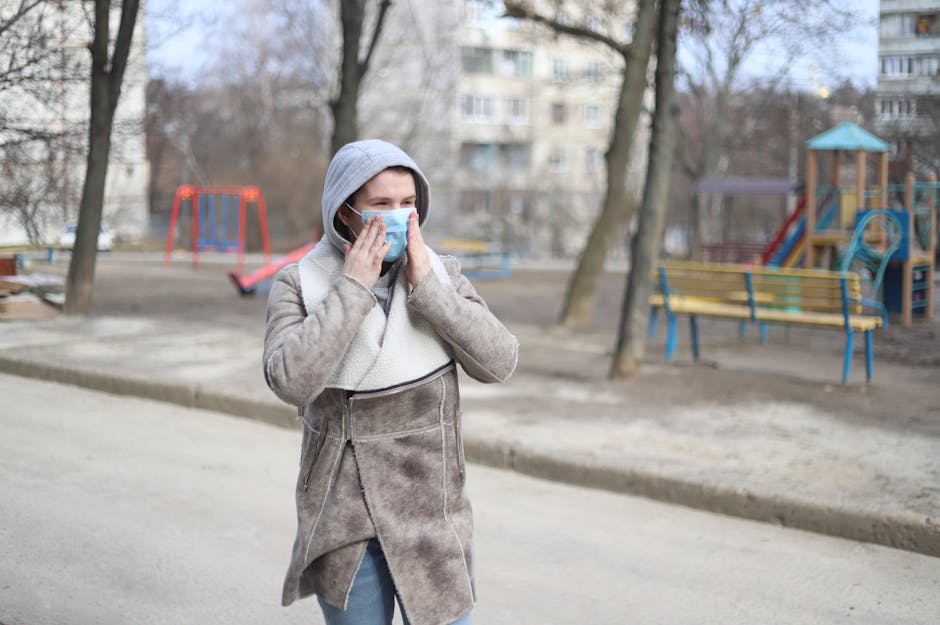
Your actions can make a big difference. Are you practicing preventive measures like handwashing and wearing masks? These simple steps can help reduce your risk of catching a cold or flu, even in freezing temperatures.
Frequently Asked Questions
Can Cold Virus Survive In 20-degree Weather?
Yes, cold viruses can survive in 20-degree weather. Cold temperatures can preserve the virus longer on surfaces. However, viral transmission primarily occurs through human contact. It's crucial to maintain good hygiene to reduce the risk.
Does Flu Virus Thrive In Cold Climates?
Flu viruses thrive in cold climates. Cold, dry air provides favorable conditions for the virus. It can spread more easily during cold weather. Maintaining proper hygiene and getting vaccinated can reduce the risk of flu transmission.
How Long Do Viruses Live On Surfaces?
Viruses can live on surfaces for a few hours to several days. Cold temperatures may extend their lifespan. Regularly cleaning surfaces and practicing good hygiene can minimize the risk of infection.
Are Cold And Flu Viruses Airborne?
Yes, cold and flu viruses are airborne. They can spread through respiratory droplets from coughs and sneezes. Wearing masks and maintaining social distance can reduce the risk of airborne transmission.
Conclusion
Cold and flu viruses can survive in 20-degree weather. Cold temperatures help them spread more easily. They thrive in dry air, common in winter. Staying healthy in winter is crucial. Wash hands often and cover your mouth when sneezing. Avoid close contact with sick people.
Boost your immune system with a balanced diet and plenty of sleep. Staying warm and hydrated can also help. Remember, prevention is better than cure. Stay informed and keep your family safe. Always consult health professionals for advice.