Have you ever stumbled across a nest of tiny baby birds and wondered how they manage to survive when the temperatures drop? As you watch them, a mix of curiosity and concern might fill your mind.
You wonder if these fragile creatures can endure the cold weather. Understanding the resilience of baby birds against chilly conditions not only satisfies your curiosity but also deepens your appreciation for nature's wonders. You'll discover the strategies birds use to combat the cold and how you can help them thrive.
By the end, you'll feel empowered with knowledge, ready to make a positive impact on their survival. Let's delve into the fascinating world of baby birds and their battle against the cold.
Challenges Of Cold Weather For Baby Birds
Baby birds face a tough time during cold weather. These tiny creatures, still developing their feathers and body warmth, must battle the elements to survive. As a bird enthusiast, you might wonder how these fragile beings withstand harsh conditions. It's a challenge that demands resilience and adaptation from the very start of their lives.
Cold weather impacts baby birds in several ways. Their small bodies struggle to retain heat, making them vulnerable to chilly temperatures. You might notice that baby birds often huddle together for warmth, a natural survival tactic.
Another significant challenge is the scarcity of food. Cold weather can limit the availability of insects and seeds. This leaves baby birds without adequate nutrition. You can imagine how tough it is for them to get the energy they need to grow.
Moreover, cold weather can slow down their development. Baby birds need warmth to grow their feathers and strengthen their muscles. Without sufficient heat, their development might lag, affecting their ability to fly and fend for themselves.
How Can You Help?
If you ever find a baby bird struggling in cold weather, there are ways to assist. You can provide a warm shelter or nesting box to protect them from the elements. This small gesture can make a huge difference in their survival.
Consider setting up bird feeders to ensure they have access to food. This simple action provides them with the necessary nutrition to combat the cold. Remember, your backyard can become a haven for these vulnerable creatures.
Have you ever wondered why some birds migrate while others stay put? Migration is one strategy birds use to escape cold weather. However, not all species have this option. Those that remain must develop unique strategies to survive.
What Can You Learn From Baby Birds?
Baby birds teach us about resilience and adaptation. Despite the odds, they find ways to survive and thrive. You can apply this lesson in your life when facing challenges. How do you adapt to difficult situations?
Observing these young birds can also deepen your appreciation for nature. Witnessing their struggle and perseverance can inspire you to protect and care for the wildlife around you. What steps will you take to make a difference?
In the end, understanding the challenges baby birds face during cold weather can motivate you to contribute positively. A small act of kindness can help these fragile beings conquer the cold and flourish.
Signs Of Cold Stress In Baby Birds
Recognizing signs of cold stress in baby birds is crucial. These vulnerable creatures need warmth to survive. Cold weather poses serious risks to their health. Understanding these signs helps ensure their well-being. Early detection can prevent severe consequences.
Feather Fluffing
Feather fluffing is a common sign of cold stress. Baby birds fluff their feathers to trap heat. This action creates an insulating layer. It helps them stay warm in chilly conditions.
Shivering
Shivering indicates a bird is struggling to stay warm. It's an involuntary response to generate heat. Constant shivering can tire young birds quickly. Observing this is a clear sign of cold stress.
Decreased Activity
Cold-stressed birds often exhibit reduced activity levels. They conserve energy by moving less. This can affect their ability to feed. Less movement signals their struggle to maintain body temperature.
Huddling Together
Baby birds may huddle together for warmth. This behavior is a survival instinct. Grouping helps share body heat among them. It's an effective way to combat the cold.
Labored Breathing
Labored breathing can occur during cold stress. The cold affects their respiratory system. This symptom requires immediate attention. It indicates their struggle to cope with the cold.
Lethargy
Lethargy is a critical sign of cold stress. Affected birds appear weak and inactive. It's crucial to act promptly if observed. Lethargy can quickly lead to more severe issues.
Creating A Warm Environment
Creating a cozy shelter is crucial for baby birds to endure cold weather. Their survival depends on warmth and protection. Without these, they face serious risks. Keeping them safe ensures their healthy growth and development.
Creating a warm environment for baby birds is essential. Cold weather poses a threat to their survival. Providing warmth can help them thrive. Baby birds need protection from harsh temperatures. Without it, they may face serious health risks. This section guides you on creating a warm habitat for them.
Choosing The Right Nesting Material
Nesting material plays a key role in warmth. Soft materials like straw, feathers, or hay work well. They trap heat and keep the nest cozy. Avoid synthetic materials that don't retain heat. Natural materials are more effective. They also provide comfort for the baby birds. Ensure the nesting material is dry. Wet materials can lower the nest's temperature. Keep an eye on the condition of the materials. Replace them if they become damp or dirty.
Positioning Nest Boxes
Placement of nest boxes is crucial. Choose a spot sheltered from wind. It helps maintain a steady temperature inside. Avoid locations exposed to direct rain. Moisture can make the nest cold and uncomfortable. Consider positioning nest boxes facing east. This allows morning sunlight to warm the nest. Ensure the boxes are at a safe height. It protects the birds from ground predators. Keep nest boxes away from busy areas. Noise can stress baby birds, impacting their health.
Feeding For Cold Weather
The chilling winds and dropping temperatures pose a significant challenge for baby birds. As caregivers, it's essential to understand the nuances of feeding them during cold weather. Proper nutrition and feeding frequency are critical to ensure their survival and growth. Let's dive into the specifics of how you can provide the right care during these frosty months.
Nutrient-rich Diets
Feeding baby birds during cold weather requires a focus on nutrient-rich diets. Just like you need a warm soup to keep you going, baby birds need extra energy to combat the cold. Protein is key—think of mealworms or other insects that are high in protein.
Consider adding seeds and nuts that are rich in fats. These provide the energy reserves needed to keep warm. Fruit can also be beneficial. It offers not only vitamins but also moisture, which is crucial during dry, cold days.
Have you ever noticed how some birds seem more active on snowy days? This could be due to their diet rich in nutrients that keep their bodies fueled. Make sure you're giving them a balanced mix to help them thrive.
Frequency Of Feeding
Cold weather means baby birds burn more energy just to stay warm. This necessitates frequent feeding sessions. Instead of sticking to a rigid schedule, observe their behavior. If they are chirping more or seem restless, it may be time for a snack.
Keep a watchful eye on their activity levels. Increased movement often signals hunger, especially when temperatures drop. Offering smaller, more frequent meals can keep their energy levels stable.
Remember that feeding isn't just about nutrition—it's also about comfort. Wouldn't you prefer a warm meal more often if you were out in the cold? Your baby birds are no different. Regular feedings can make a significant difference in their ability to withstand the chill.
What steps are you taking to ensure your baby birds are well-fed during winter? Consider adjusting your approach based on their needs. Your attention to detail could be the difference between survival and struggle for these young creatures.
Protecting Against Predators
Baby birds face many challenges in cold weather. Predators are one of the biggest threats. Protecting these vulnerable creatures is crucial. Parents use clever strategies to keep their chicks safe.
By understanding these methods, you can help ensure their survival. Let's explore these protective techniques.
Camouflage Techniques
Camouflage is a vital defense for baby birds. It helps them blend into their surroundings. Parents choose nesting materials that match the environment. Leaves, twigs, and feathers make nests hard to spot.
Colors play a big role too. Birds select sites with similar hues to their chicks. This makes it difficult for predators to notice them. In snowy areas, nests might have white elements. This ensures they blend into the snowy landscape. These strategies increase survival chances.
Safe Nesting Sites
Nesting sites are carefully chosen. Parents seek hidden places away from prying eyes. Dense foliage provides cover and protection. High branches keep nests out of reach.
Cavities in trees are ideal. They offer shelter from the cold. Cliff edges are another option. They are often inaccessible to ground predators. Urban areas pose unique challenges. Birds adapt by nesting in buildings or ledges.
These sites reduce the risk of detection. They give baby birds a better chance to grow strong and healthy.
Monitoring And Intervention
Baby birds face many challenges during cold weather. Their survival depends on timely monitoring and intervention. Observing their behavior and physical condition is crucial. Prompt action can save their lives. This section focuses on how to monitor and intervene effectively.
When To Seek Help
Look for signs of distress in baby birds. Cold weather can cause shivering. If a bird appears weak, it might need help. A lack of movement is also alarming. Seek professional assistance if you notice these signs. Experts can provide the needed care.
Signs Of Recovery
Watch for improvements in behavior. Increased activity is a good sign. Eating more indicates recovery. Warmth can also revive their energy. If a bird starts chirping, it is recovering. Monitor their progress closely for continued improvement.
Natural Adaptations
Baby birds face many challenges in their early days, and surviving cold weather is one of them. Fortunately, nature equips these young birds with remarkable adaptations to help them withstand chilly temperatures. These adaptations ensure that even the tiniest creatures can find a way to thrive during the colder months.
Feather Insulation
Feathers are more than just a pretty covering. They play a crucial role in keeping baby birds warm. The fluffier, down-like feathers of young birds provide excellent insulation. You might have noticed how birds fluff up their feathers when it's cold. This action traps warm air close to their bodies, creating a cozy barrier against the chill.
Think about a time you wore a thick jacket on a cold day. It’s similar to how these feathers work for birds. The dense layers help retain warmth, much like your favorite winter coat. This natural insulation is vital for baby birds, especially when temperatures drop unexpectedly.
Behavioral Adjustments
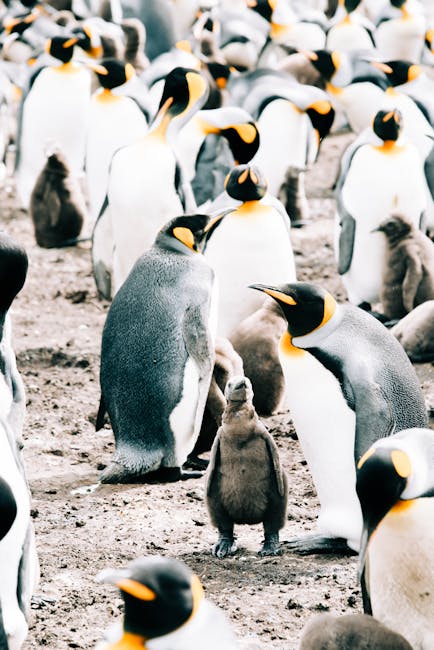
Beyond physical adaptations, baby birds also learn behaviors that help them combat the cold. Snuggling close to siblings or parents is a common practice. This behavior not only offers warmth but also strengthens their bond.
You might have seen birds huddling together on a chilly morning. This group effort allows them to share body heat. It's a practical way for them to stay warm. Have you ever wondered how you can adapt similar strategies when facing life's challenges?
Moreover, baby birds often seek shelter in nests or under foliage. These spots provide protection from harsh winds and cold air. Observing birds can be a reminder of how vital it is to find your safe space when conditions get tough.
Natural adaptations in baby birds offer insights into survival and resilience. As you reflect on these strategies, consider how you can apply similar principles in your own life. What adaptations have you made to thrive in challenging situations?
Frequently Asked Questions
Can Baby Birds Tolerate Cold Temperatures?
Baby birds are sensitive to cold temperatures. They rely on their parents for warmth. Without proper care, they can suffer from hypothermia. Nesting in sheltered areas helps shield them from the cold. It's crucial for their survival.
How Do Baby Birds Stay Warm In Nests?
Baby birds stay warm through their parents' body heat. Parents often sit on them to provide warmth. Nest structures also help insulate against cold weather. The presence of siblings can further generate warmth. This combination is vital for their survival.
What Happens If Baby Birds Get Too Cold?
If baby birds get too cold, they may become lethargic. Cold temperatures can lead to hypothermia, affecting their health. Prolonged exposure can be fatal. Immediate warmth and care are essential for their recovery. Monitoring their environment is crucial.
Do Baby Birds Need Extra Food In Cold Weather?
Yes, baby birds require more food in cold weather. Increased energy helps them maintain body temperature. Parents often feed them more frequently. High-energy foods are crucial for their growth. Adequate nutrition supports their development and survival.
Conclusion
Baby birds can face challenges in cold weather. Their survival depends on several factors. Warmth from their nest and parents helps a lot. Some birds adapt by fluffing feathers or huddling together. Providing shelter and food can aid them. Observing their needs is crucial.
Nature has ways to protect the young, but human help makes a difference. Understanding these aspects supports their survival. As the temperature drops, awareness and care become essential. A little effort goes a long way in ensuring baby birds thrive even in cold conditions.