Imagine being caught in an unexpected storm during a hike or finding yourself stranded in the cold while traveling. You might think you're prepared, but without extra clothes in your survival kit, you could be risking more than just discomfort.
Why do you need that extra layer, those dry socks, or an additional hat? The answer could be the difference between safety and peril. In this blog post, we'll delve into the crucial reasons why extra clothes are an essential part of your survival kit.
You'll discover how they can protect you from the elements, prevent hypothermia, and even save your life. So, if you've ever questioned the importance of packing those extra garments, keep reading. This information might just change how you prepare for your next adventure.
Importance Of Clothing In Survival Kits
In the unpredictability of survival situations, clothing plays a crucial role. It is not just about fashion or style; clothing serves as a protective layer against harsh conditions. When preparing a survival kit, choosing the right clothes can make a significant difference in your comfort and safety.
Weather Protection
Clothing shields you from extreme weather conditions. During cold weather, extra layers provide insulation, helping retain body heat. In hot climates, breathable fabrics prevent overheating and sunburn. Rain jackets keep you dry and prevent hypothermia.
Physical Safety
Proper clothing reduces the risk of injury. Sturdy boots protect feet from sharp objects and uneven terrain. Long sleeves and pants guard against insect bites and scratches. Wearing gloves can prevent blisters and cuts.
Maintaining Hygiene
Clean clothes are vital for maintaining hygiene. Fresh clothing reduces the risk of infections and skin irritations. In survival situations, having extra clothes allows you to change and stay clean.
Signaling For Help
Bright-colored clothing can be used to signal for help. In emergencies, visibility is key to being noticed by rescuers. High-visibility gear increases your chances of being found.
Mental Well-being
Clean, dry clothes boost morale and mental well-being. Feeling comfortable helps maintain a positive mindset. In survival situations, mental strength is as important as physical preparedness.
Protection Against Weather
Extra clothes in a survival kit protect against harsh weather. They keep you warm and dry. Essential for safety in emergencies, they help prevent hypothermia and frostbite.
When you're planning for survival, clothing isn't just about fashion—it's about protection. Weather can be unpredictable and harsh. Having the right clothes in your survival kit can be the difference between comfort and misery. So, what should you pack to shield yourself from the elements?
Cold Weather Gear
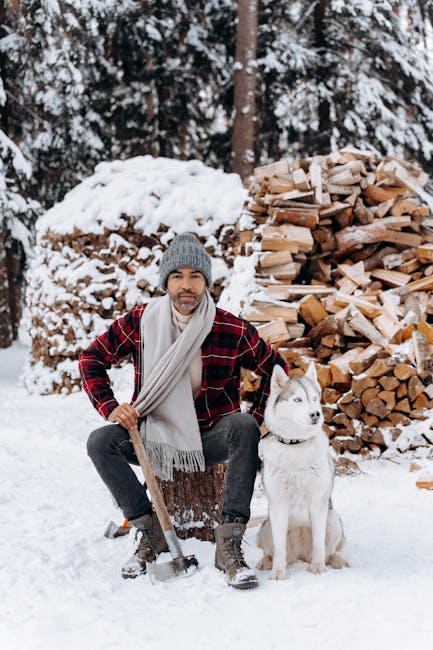
A sudden drop in temperature can catch anyone off guard. It's essential to have layers that trap heat and keep you warm. Think thermal underwear, wool socks, and insulated jackets. These items are lifesavers when the cold bites. Have you ever felt the chill seeping in through your regular clothes? That's why layering matters. Each layer adds a barrier against the cold, keeping your body heat from escaping.
Rain And Wind Barriers
Rain can leave you drenched and miserable. Wind can chill you to the bone. A sturdy raincoat and windbreaker are must-haves. They act like shields, keeping moisture and gusts at bay. Imagine being caught in a storm without protection. Your clothes cling to you, sapping warmth and energy. A rain barrier stops this from happening, ensuring you stay dry and focused.
Sun Protection Clothing
Bright, sunny days can be deceiving. While the sun is a source of warmth, it can also be harmful. Hats, sunglasses, and long sleeves protect your skin from UV rays. These aren't just for comfort—they're for safety. Ever spent a day outdoors and felt the sting of sunburn later? That's your cue to invest in sun protection. Shielding yourself from the sun prevents burns and keeps your skin healthy. When packing your survival kit, consider how each piece of clothing serves a purpose. Ask yourself: Is this item versatile enough to protect against different weather conditions? The right gear can make all the difference in a survival situation.
Adaptation To Environment
When assembling a survival kit, including extra clothes is essential. They help us adapt to changing environments. Weather can shift quickly. The terrain may vary. Being prepared means staying safe and comfortable. Extra clothes ensure we can adjust to these changes. Let's explore how clothing helps us adapt.
Layering For Temperature Control
Temperature can change rapidly in the wild. Layering clothes helps manage this. Start with a base layer to wick away moisture. Add a middle layer for insulation. Finally, an outer layer offers protection. Layering allows quick adjustments. Remove or add layers as needed. Stay warm, dry, and comfortable.
Adaptability To Terrain
Different terrains demand different clothing. Rocky paths need durable pants. Wet areas require waterproof gear. Sandy regions benefit from breathable fabrics. Adapting clothes to terrain prevents discomfort. It also reduces the risk of injury. Pack versatile clothing. Be ready for any environment you encounter.
Emergency Situations
Emergency situations can occur unexpectedly, leaving little time to prepare. In such moments, a survival kit becomes crucial. Extra clothes in your kit can serve multiple purposes. They provide warmth and protection. They can also be used creatively in emergencies.
Signaling And Visibility
Bright colored clothes can be lifesavers. Use them to signal rescuers. Wave a shirt to catch attention. They stand out against natural backgrounds. This increases your chances of being found quickly. Even at a distance, these colors are visible.
First Aid Uses
Clothes can aid in first aid. Tear fabric into strips for bandages. They help stop bleeding. Use them to create slings. This supports injured arms. Clean clothes can cover wounds. This helps prevent infection in emergencies.
Material Choices
Extra clothes are essential in a survival kit for warmth, protection, and hygiene. Layers help regulate body temperature in varying conditions. Clean clothing prevents infections and maintains comfort.
When packing a survival kit, you might wonder about the best material choices for extra clothes. The right materials can make a big difference in a survival situation. They offer protection, comfort, and functionality, which are crucial when you’re out in the wild.
Durability And Comfort
Think about how your clothes will hold up in harsh conditions. Durable fabrics like ripstop nylon or canvas stand up well against tears and abrasions. But don't forget comfort—it's not just about toughness. Cotton blends can be great for comfort, but they absorb moisture easily, which can be a problem. Have you ever worn something that felt great at first but quickly became uncomfortable? In a survival situation, you’ll want clothes that are both tough and comfy.
Moisture-wicking Fabrics
One of the biggest threats in the wild is staying dry. Moisture-wicking fabrics like polyester or merino wool are designed to pull sweat away from your body. This keeps you dry and reduces the risk of hypothermia. Picture hiking up a steep hill and feeling sweat soaking your shirt. With moisture-wicking clothes, you stay dry and warm, making it easier to focus on finding your way or setting up camp. Choosing the right clothes for your survival kit isn’t just about fashion—it's about practicality. What if the weather changes suddenly, or you need to trek through rough terrain? The right materials could make all the difference.
Packing Tips
Having extra clothes in a survival kit ensures warmth and protection in emergencies. Clean garments help maintain hygiene and comfort. They are essential for adapting to changing weather conditions.
Packing extra clothes in your survival kit is more than just a matter of comfort. It's a strategic move that can greatly affect your well-being in unexpected situations. With limited space, you need to be smart about what and how you pack. Let’s explore some practical tips to help you make the most of your survival kit without overloading it.
Space-saving Techniques
Consider rolling your clothes instead of folding them. This method not only saves space but also keeps your clothes less wrinkled. You might be surprised how much more you can fit in this way. Use vacuum storage bags to compress bulky items like jackets and sweaters. They can significantly reduce the amount of space these items take up. Just remember that you'll need a way to re-seal them if you take something out. Think about multi-functional clothing items. For example, a convertible jacket that turns into a vest can serve dual purposes. This eliminates the need to pack multiple items for different weather conditions.
Prioritizing Essentials
List down your clothing essentials based on the climate and terrain of your survival scenario. If you’re heading into a cold area, thermal layers are non-negotiable. In warmer areas, prioritize lightweight, breathable fabrics. Remember, quality over quantity. A single high-quality waterproof jacket is more useful than multiple layers that don't offer protection against rain. Focus on items that provide the most utility in various conditions. Ask yourself what you’d need if you were stuck for an extended period. Would you need extra socks or a pair of gloves? Making a checklist can ensure you don’t forget important items without overpacking. Would you really need that extra pair of shoes, or will one pair suffice? Being critical about every item you pack could be the difference between a well-prepared kit and a bag that's too cumbersome to carry. Packing smartly not only ensures you have what you need but also keeps your kit manageable. So next time you prep your survival kit, think strategically about your clothing choices. What’s one item you couldn’t leave behind?
Clothing Maintenance
Maintaining clothing in a survival kit is crucial. It ensures durability and hygiene. Proper care can extend the life of your clothes. It also keeps you comfortable during emergencies. Let's explore how to maintain clothing effectively.
Repair And Care
Clothes can tear or wear out quickly. This happens especially in challenging conditions. Keep a small sewing kit in your survival gear. It helps fix minor tears and holes. Patches can also cover larger damages. Regular checks help find issues early. This prevents bigger problems later.
Hygiene Considerations
Clean clothes are essential for health. Dirty clothes can cause skin infections. They might also attract insects. Use biodegradable soap for washing. Rinse well to remove all soap residues. Dry clothes in the sun if possible. Sunlight kills germs and bacteria.
Frequently Asked Questions
Why Pack Extra Clothes In A Survival Kit?
Extra clothes are essential in a survival kit for maintaining warmth and hygiene. They help protect against harsh weather conditions and keep you dry. Moreover, clean clothes can prevent skin infections and boost morale. Layering provides insulation, and spare clothing is crucial in emergencies.
What Type Of Clothes Are Best For Survival Kits?
Choose versatile, durable, and weather-appropriate clothing for survival kits. Opt for moisture-wicking fabrics that dry quickly. Pack layers, including thermal wear, waterproof jackets, and sturdy footwear. Lightweight clothing is ideal for ease of carrying. Consider the climate and potential conditions when selecting your garments.
How Do Clothes Help In Survival Situations?
Clothes offer protection from environmental elements like cold, rain, and sun. They help regulate body temperature and prevent hypothermia. Proper clothing ensures comfort, boosts morale, and maintains hygiene. They are essential for adapting to changing weather and provide a psychological sense of safety.
Can Extra Clothes Prevent Health Issues?
Yes, extra clothes can prevent health issues in survival situations. They protect against hypothermia, frostbite, and heatstroke. Clean clothes help avoid skin infections and rashes. Proper clothing shields you from insect bites and harmful UV rays, promoting overall health and well-being.
Conclusion
Packing extra clothes is crucial for survival situations. They offer warmth and protection. Wet clothes can make you sick. Dry clothes help keep your body temperature stable. They also shield you from the sun and insects. Clean clothes boost morale and comfort.
A simple change can make you feel refreshed. Always include versatile clothing options. Think layers and weather adaptability. Don't underestimate the power of spare clothes. They can truly make a difference. Preparing well ensures you stay safe and comfortable. Always plan for unexpected weather and situations.
Stay ready, stay safe.