Imagine finding yourself in the heart of the wilderness, where every decision you make matters. Whether you're an adventurous explorer, an avid camper, or someone who just loves being prepared, having the right survival gear can make all the difference.
Think about it: the confidence of knowing you have everything you need to handle unexpected challenges. It’s empowering, isn’t it? But how do you know what you truly need in your survival kit? In this guide, we’re diving into the must-have survival gear that will not only keep you safe but also give you peace of mind.
Get ready to discover the essentials that could be your lifeline when you need them most. Are you prepared to elevate your survival game? Let’s explore the gear that’s crucial for your next adventure.
Backpacks And Storage
Backpacks and storage solutions are essential for survival gear, offering efficient organization and easy access. Durable materials and smart designs ensure everything needed is within reach during emergencies. Quality backpacks keep gear safe and organized.
When venturing into the wild, the right backpack and storage solutions are essential for survival. A well-chosen backpack not only carries your gear but can make or break your adventure. Storage solutions ensure your essentials remain dry and organized. As someone who’s been caught in an unexpected downpour with a soaked backpack, I can attest to the importance of making smart choices.
Choosing The Right Backpack
Selecting the right backpack is more than just picking the one that looks good. Consider the size; it should be large enough to hold all your essentials but not so large that it becomes cumbersome. Look for backpacks with adjustable straps for comfort and a good load distribution. A backpack with multiple compartments can be a lifesaver. It allows you to organize your gear efficiently. You'll be able to grab what you need quickly without unpacking everything. Have you ever tried hiking with a heavy, uncomfortable backpack? It can turn a fun outing into a nightmare. Make sure to test the backpack with weight before heading out. Your back will thank you.
Waterproof Storage Solutions
Keeping your gear dry is crucial. Waterproof storage solutions can protect your essentials from unexpected weather changes. Imagine reaching for your phone or map only to find it soaked and unusable. Dry bags are a great investment. They're lightweight, durable, and come in various sizes. Use them to store electronics, clothes, and food. Ziplock bags might seem basic, but they can be incredibly effective. Use them for smaller items like matches, first aid supplies, and documents. They offer a simple yet effective barrier against moisture. Have you thought about how you'll protect your belongings when crossing a river or dealing with rain? Having waterproof solutions on hand ensures you're prepared for any situation.
Navigation Tools
Navigating the wild requires reliable tools. Maps and compasses guide your path in unknown terrains. Essential for safety and survival.
Navigating through the wilderness can be thrilling yet daunting. Having the right navigation tools can be the difference between a successful adventure and a confusing ordeal. Whether you're hiking, camping, or exploring unknown terrain, these tools ensure you find your way back safely. Let's delve into the essentials of navigation gear that every adventurer should have.
Maps And Compass
Maps and compasses are timeless navigation tools. They don't rely on batteries or signals, making them reliable even in remote areas. A map gives you a bird's eye view of the terrain, highlighting trails, elevation, and landmarks. A compass helps you orient the map to the real world. It's crucial for determining direction, especially when landmarks are scarce. Have you ever tried navigating without these? It’s like being lost in a maze. Carry a waterproof map and a sturdy compass; they could be your lifeline in the wild.
Gps Devices
GPS devices have transformed how we navigate. They provide real-time location data, helping you pinpoint your position with precision. Unlike traditional tools, GPS offers convenience and accuracy, even in challenging conditions. Consider a handheld GPS device for your next hike. It’s compact, easy to use, and often comes with preloaded maps. Imagine knowing exactly where you are, even when visibility is low. However, remember that batteries can die, so never rely solely on GPS. Navigation is more than just finding your way; it’s about ensuring safety and enjoying your adventure. What navigation tool do you trust when exploring the unknown?
Shelter Essentials
Survival situations demand preparation and awareness. Shelter is vital for protection against harsh elements. Without proper shelter essentials, enduring the outdoors becomes challenging. This section focuses on the key items you need for a safe shelter.
Tents And Tarps
Tents offer reliable protection from wind, rain, and snow. Choose a tent that suits the climate and terrain. Lightweight tents are easy to carry. Durable tents withstand tough weather. Tarps enhance your shelter setup. Use tarps to cover your tent or create extra space. Tarps are versatile and protect against rain and sun. A well-chosen tarp can improve your shelter immensely.
Sleeping Bags And Mats
Comfort is crucial for survival. Sleeping bags keep you warm during cold nights. Choose sleeping bags with proper insulation. Match the bag to the season and temperature. Sleeping mats provide cushioning against hard ground. They also add warmth and comfort. Opt for lightweight mats for easy transport. Mats and sleeping bags together ensure a good night's rest.
Clothing And Footwear
Clothing and footwear play a vital role in survival situations. Proper gear ensures safety, comfort, and mobility. Choosing the right clothing and footwear can make a significant difference. It can protect from harsh elements and prevent injuries. Let's explore essential clothing and footwear for survival.
Weather-appropriate Clothing
Weather-appropriate clothing is crucial for survival. Choose layers to adapt to changing temperatures. Opt for moisture-wicking fabrics to stay dry and comfortable. Insulated jackets are important for cold weather. They trap body heat and prevent hypothermia. In hot climates, light and breathable fabrics are best. They help to avoid overheating and sunburn.
Durable Footwear
Durable footwear is essential for protection and support. Boots with sturdy soles provide traction on rough terrain. Waterproof boots keep feet dry in wet conditions. Ankle support prevents injuries during long treks. Comfortable shoes reduce fatigue, enabling longer travel. Choose footwear that matches the environment you'll face.
Food And Water Supplies
Survival gear must include essential food and water supplies. These items ensure nourishment and hydration in emergencies. Reliable gear keeps you prepared for unexpected situations.
When planning for survival, food and water supplies top the list of essentials. Without them, even the best-laid plans crumble. Whether you're prepping for a camping trip or an emergency, knowing what to pack can make a huge difference. This section will guide you through the must-have items for your survival kit, ensuring you're ready for any situation.
Portable Water Filters
Clean water is crucial. Imagine hiking through a forest and realizing your water bottle is empty. A portable water filter can save the day. These handy devices allow you to drink safely from natural water sources like streams and lakes. Lightweight and compact, they fit easily into your backpack. Look for filters with a high filtration rate and long lifespan. Do you have one in your kit?
Non-perishable Food Options
When it comes to survival, food that lasts is your best friend. Non-perishable items are designed to withstand time without spoiling. Think canned beans, dried fruits, and energy bars. These foods are not only durable but also easy to prepare. Have you considered how long you might need to survive on your supplies? It's crucial to balance nutrition with convenience. Variety keeps your morale high, so mix up your options. Consider vacuum-sealed meals or freeze-dried foods for a lightweight choice. Remember, your goal is to sustain energy and health. Would you be prepared if an emergency struck today?
First Aid And Safety
Survival situations demand quick thinking and preparedness. Safety is a priority. A well-stocked first aid kit and emergency signaling devices are essential. These tools can save lives and offer peace of mind.
Comprehensive First Aid Kit
A comprehensive first aid kit is a must-have for any adventurer. It should include essentials like bandages, antiseptic wipes, and pain relievers. Don’t forget tweezers and scissors. These tools can handle minor injuries effectively.
Include a manual with instructions. This helps during stressful situations. A well-organized kit ensures you find items quickly. Replenish supplies after each use. Always keep the kit accessible and ready.
Emergency Signaling Devices
Emergency signaling devices are crucial in survival scenarios. They help attract attention when you need rescue. Whistles are simple yet effective. They can be heard over long distances.
Signal mirrors are another tool. They reflect sunlight to alert rescuers. In the dark, use a flashlight with a strobe function. It creates a visible light signal. Always pack extra batteries for reliability.
These devices enhance your safety. They increase the chances of a successful rescue. Always carry them in your survival gear.
Fire Starting Gear
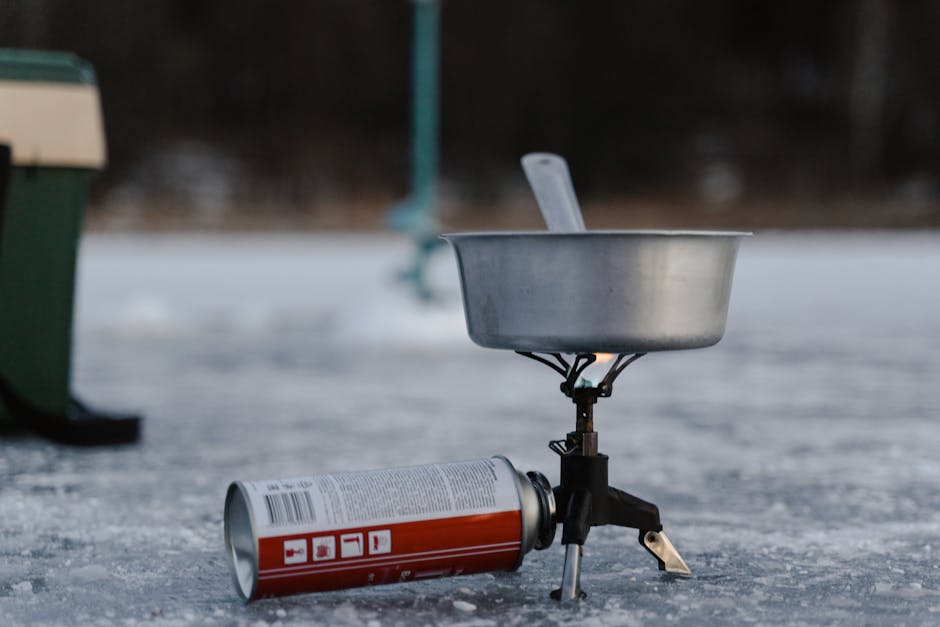
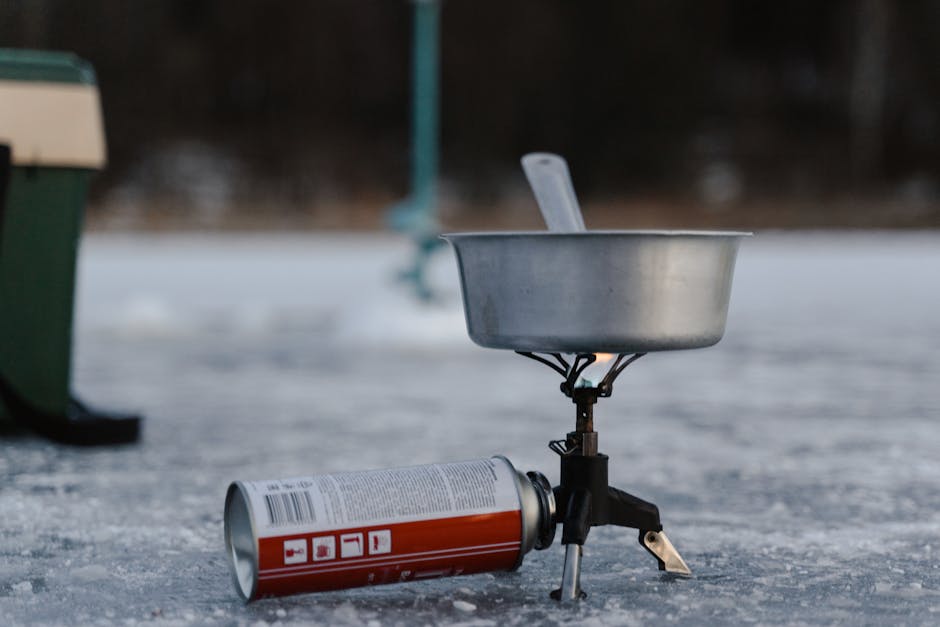
Fire starting gear is essential for survival in the wild. It helps create warmth, cook food, and signal for help. Having reliable gear ensures you are prepared for any situation.
When you're out in the wilderness, having reliable fire starting gear can make the difference between a cozy night under the stars or a cold, uncomfortable evening. Fire is not only essential for warmth but also for cooking and signaling for help. Choosing the right equipment for starting a fire is crucial for any survival situation. Let's dive into two must-have items in your fire starting arsenal: matches and lighters, and fire starters and tinder.
Matches And Lighters
Matches and lighters are classic tools that everyone should carry. They’re simple, effective, and usually reliable. Waterproof matches can be a lifesaver in damp conditions. You never know when a sudden rain might hit, leaving you scrambling for dry kindling. Having waterproof options ensures you can ignite a fire even if the weather is against you. Lighters, especially windproof models, offer convenience and ease of use. They are compact and can light multiple fires on a single fuel fill. But be sure your lighter is fully functional before heading out, as they can be prone to malfunction in extreme conditions.
Fire Starters And Tinder
Fire starters and tinder are the unsung heroes of fire making. They can ignite quickly and burn long enough to catch larger pieces of wood. Magnesium fire starters are popular among outdoor enthusiasts. They're durable and can create sparks even in wet environments. Scraping magnesium shavings and igniting them with a spark can kickstart a roaring blaze in no time. Natural tinder, like dry leaves or grass, can be found in the wild. But carrying a small pack of commercial tinder ensures you have a reliable option, especially if the weather isn't cooperating. Products like cotton balls soaked in petroleum jelly offer a long-lasting flame that can help ignite larger logs. Can you imagine being stuck in the woods without a fire? It's a chilling thought. Equipping yourself with these essential tools ensures you're ready to face the elements. Do you have any unique fire starting tips or stories? Share them in the comments below! Your insights might help someone else stay safe and warm in the wild.
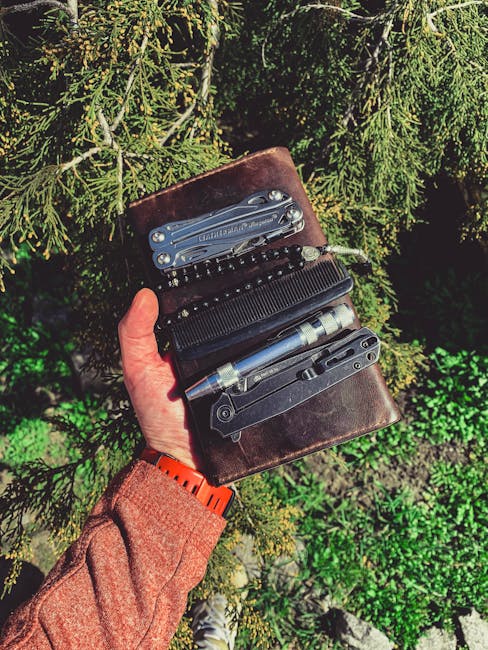
Multi-tools And Knives
Multi-tools and knives are essential for survival. They offer versatility and reliability in the wild. These tools can handle many tasks. From cutting rope to opening cans, they are indispensable. Knowing how to choose the right one is crucial.
Choosing The Right Multi-tool
Not all multi-tools are the same. Consider the tasks you might face. Look for tools with pliers, screwdrivers, and scissors. Quality matters too. Stainless steel options resist rust and last longer. Compact designs fit easily in pockets. Weight and size impact portability. Choose a multi-tool that suits your needs.
Essential Knife Types
Knives come in different types and serve various purposes. A fixed blade knife is strong and reliable. It’s ideal for heavy-duty tasks. Pocket knives are convenient for quick access. They fold and are easy to carry. Consider a serrated edge for cutting through tough materials. A straight edge offers precision in slicing. Each knife type has its unique benefits. Select based on your survival needs.
Lighting Equipment
In survival situations, reliable lighting equipment is crucial. It helps navigate dark environments. Proper lighting ensures safety and boosts morale. Selecting the right gear can make a big difference. Consider the following essential lighting options for your survival kit.
Flashlights And Headlamps
Flashlights and headlamps offer portable light sources. Flashlights are easy to pack and use. They provide focused light for precise tasks. Headlamps free up your hands. This makes them perfect for multitasking. Opt for LED models for longer battery life. Look for waterproof and shockproof features. These ensure durability in harsh conditions.
Solar-powered Options
Solar-powered lighting equipment is eco-friendly and sustainable. These devices harness sunlight to recharge. Ideal for long-term survival scenarios. They reduce dependency on batteries. Many models have built-in solar panels. Some offer USB charging options for versatility. Choose compact designs for easy storage. Ensure they are lightweight for easy transport. Solar-powered lights are reliable when electricity is unavailable.
Communication Devices
In the wild, being able to communicate can be a game changer. Whether you're hiking through dense forests or exploring remote mountains, having reliable communication devices ensures you stay connected with your group and can call for help when needed. You might think of your smartphone as your trusty companion, but when you're out in the wilderness, you'll need something more rugged and dependable. Let's dive into some must-have communication devices for survival.
Two-way Radios
Two-way radios are a staple in survival gear. They're lightweight, easy to use, and incredibly reliable. Imagine you're hiking with a friend and you decide to split up to explore different trails. With two-way radios, you can maintain contact without the need for cell service. They have a decent range, allowing you to communicate over several miles, which is crucial in vast landscapes.
Some models are equipped with weather alerts, keeping you informed about impending storms. This feature can be lifesaving, helping you make quick decisions about whether to return to camp or seek shelter. Make sure you choose a model with rechargeable batteries or pack extra batteries to ensure they last throughout your adventure.
Satellite Phones
Satellite phones are the ultimate communication devices for those venturing into areas beyond traditional network coverage. They operate by connecting directly to satellites, allowing you to make calls and send texts from anywhere in the world. Picture yourself in a remote desert, where there's no sign of civilization for miles. With a satellite phone, you're never truly alone.
While they can be pricey, their reliability is unmatched in emergency situations. Remember that certain terrains can interfere with the signal, so it's wise to study the manual and practice using it before you head out. Some models also offer GPS tracking, providing an extra layer of safety by allowing others to pinpoint your location.
When choosing your communication device, consider where you'll be heading and the specific challenges you might face. Would you prefer the simplicity of a two-way radio or the global reach of a satellite phone? Both have their strengths, and the right choice can make all the difference when it matters most.
Frequently Asked Questions
What Are Essential Survival Gear Items?
Essential survival gear includes a reliable knife, water purification system, and a first aid kit. Shelter like a tent or tarp is crucial. You need a fire starter and signaling devices for emergencies. Carry a multi-tool for versatility. Ensure you have durable clothing suitable for the environment.
How To Choose The Right Survival Gear?
Choose survival gear based on your environment and activities. Research and select gear with good reviews. Prioritize lightweight and durable items. Consider multifunctional gear to save space and weight. Test gear before use. Consider your personal needs, including medical or dietary requirements, when selecting items.
Why Is A Fire Starter Important?
A fire starter is crucial for warmth and cooking. It helps signal for rescue in emergencies. Fires provide protection against wildlife and insects. They offer light and boost morale. A reliable fire starter ensures you can create a fire in various conditions, ensuring safety and survival.
How Do You Purify Water In The Wild?
Use a portable water filter or purification tablets. Boiling water is effective against bacteria and viruses. Consider UV purifiers for quick results. Avoid water from stagnant sources. Always carry backup purification methods. Proper water purification prevents illness and ensures hydration in survival situations.
Conclusion
Survival gear is essential for outdoor adventures. It ensures safety and preparedness. With the right tools, you face challenges confidently. Choose wisely to protect yourself and loved ones. Carry essentials like a flashlight, compass, and first aid kit. Remember, preparation is key to survival success.
Gear up for unexpected situations. Every item plays a vital role. Stay informed about the latest gear updates. Equip yourself with knowledge and tools. Your safety depends on it. Prioritize durable and reliable gear. Plan ahead, be ready, and embrace the adventure.
Life outdoors offers excitement and lessons. Be prepared to enjoy them fully.