Imagine stepping into a world where the cold bites harder than ever, where the chill can be dangerous if you're not prepared. You might be planning an adventurous trip or ensuring you're ready for an unexpected emergency.
Either way, knowing what survival gear you need in extremely cold conditions is crucial. This isn't just about comfort; it's about staying safe and alive. As you dive into this guide, you'll discover essential tools and gear that will make the difference between merely surviving and truly thriving in the cold.
Whether you're a seasoned explorer or a cautious planner, understanding what to pack can empower you to face even the harshest environments with confidence. Ready to transform how you prepare for the cold? Let's explore the must-have gear that will keep you warm and protected.
Clothing Layers
Surviving in extremely cold conditions requires the right clothing layers. Proper layering keeps you warm, dry, and comfortable. Each layer has a specific role. Let's explore the essential clothing layers for cold weather survival.
Base Layers
The base layer is your first line of defense. It sits directly against your skin. Its main job is moisture management. Choose materials like merino wool or synthetic fabrics. These materials wick sweat away from your body. Stay dry to stay warm. Avoid cotton as it traps moisture.
Insulating Layers
The insulating layer traps body heat. It keeps you warm in freezing temperatures. Fleece and down are popular choices. They provide excellent insulation. Choose a material that balances warmth and weight. The goal is to retain heat without adding bulk.
Outer Shell
The outer shell protects against wind and moisture. It should be waterproof and windproof. Look for jackets with sealed seams. They prevent water from seeping in. Breathability is also important. This layer should allow sweat to escape. Choose an outer shell that withstands harsh conditions.
Footwear Essentials
Staying warm requires the right footwear essentials in extreme cold. Insulated boots keep feet dry and warm. Durable soles prevent slipping on icy terrain. Proper socks add extra warmth and comfort. Selecting the right footwear is crucial for surviving harsh winter conditions.
When venturing into extremely cold conditions, protecting your feet becomes crucial for survival. Your choice of footwear can make or break your ability to withstand freezing temperatures. It's not just about keeping your feet warm; it's about ensuring they remain functional. Imagine trying to navigate icy terrain with numb toes. The right footwear essentials can prevent that nightmare scenario.
Insulated Boots
Insulated boots are your first line of defense against the cold. They provide warmth and support, essential for trekking through snow or ice. Look for boots with thick insulation layers. They trap heat and prevent the cold from seeping in. Waterproof materials are equally important. Wet feet in cold weather can lead to frostbite. Consider boots with high tops. They protect your ankles and lower legs from snow. This added coverage makes a difference when trudging through deep drifts. Some boots come with removable liners. These allow you to adjust insulation based on activity level or temperature changes. Remember, it's not just about warmth, but also comfort and mobility.
Thermal Socks
Thermal socks are the unsung heroes of cold-weather gear. They provide an additional layer of warmth, crucial for maintaining foot temperature. Wool and synthetic blends are popular choices. They offer both insulation and moisture-wicking properties. Dry feet are warm feet, and these socks excel at keeping moisture at bay. Thickness matters. A thick sock can provide cushioning and warmth, but ensure it fits well inside your boots. Too tight, and it restricts circulation; too loose, and it bunches up. Both scenarios can lead to cold feet. Check for reinforced heels and toes. These areas experience the most wear and tear. Durable socks mean fewer replacements and reliable warmth. Have you ever found yourself in a snowstorm, wishing your feet were warmer? Choosing the right socks and boots can change that experience. What combination do you think will keep your feet the warmest in sub-zero temperatures?
Head And Hand Protection
Surviving in extremely cold conditions requires the right gear. Protecting your head and hands is crucial. Cold temperatures can quickly cause discomfort and even danger. Proper protection ensures warmth and safety. Explore essential gear for head and hand protection.
Hats And Balaclavas
Warm hats shield your head from the biting cold. They trap heat and prevent its loss. Choose materials like wool or fleece. These materials insulate effectively. Balaclavas cover more than just your head. They protect your face and neck too. This added coverage is vital in freezing winds. Balaclavas fit snugly under helmets or hoods. Consider adjustable options for comfort. Ensure your hat or balaclava is breathable. This prevents moisture build-up.
Gloves And Mittens
Your hands need special care in cold conditions. Gloves offer dexterity and warmth. Choose insulated gloves for extreme temperatures. Look for waterproof materials. Wet hands lose heat rapidly. Mittens provide superior warmth. They trap heat more efficiently. Fingers share warmth inside mittens. Consider mittens for extended cold exposure. Ensure a snug fit for both gloves and mittens. Loose fit can let cold air in.
Shelter And Sleeping Gear
Cold conditions demand reliable shelter and sleeping gear. Prioritize insulated tents to block wind and retain warmth. Opt for sleeping bags rated for sub-zero temperatures to ensure comfort and safety during frigid nights.
Surviving in extremely cold conditions requires more than just grit and determination. You need the right shelter and sleeping gear to protect against the harsh elements. Whether you're hiking through snowy mountains or camping in freezing temperatures, having the right gear can make all the difference in keeping you safe and comfortable. But what exactly should you pack? Let’s dive into the essentials.
Portable Shelters
When you're out in the cold, a portable shelter is your first line of defense against the elements. A high-quality tent designed for winter conditions is essential. Look for a four-season tent that can withstand heavy snow and strong winds. The last thing you want is for your tent to collapse in a storm. Think about the size and weight of the tent. A lightweight model is easier to carry, but make sure it doesn't compromise on durability. Some tents come with additional features like snow skirts and reinforced poles, offering extra protection. Have you ever tried setting up a tent with frozen fingers? Practice setting it up beforehand to ensure you're not caught out in the cold.
Sleeping Bags
A good sleeping bag is crucial for a warm night's sleep. Opt for a sleeping bag rated for temperatures lower than what you expect to encounter. This ensures you're prepared for unexpected cold snaps. Consider the insulation type. Down sleeping bags are excellent for extreme cold but can be costly. Synthetic options are usually more affordable and still offer decent warmth. Remember to check the sleeping bag's shape—mummy-shaped bags offer better insulation as they fit snugly around your body. Also, don't forget a sleeping pad. It might seem like an optional luxury, but it provides insulation from the cold ground. Have you ever woken up with a chill running through your bones? A sleeping pad can make all the difference. Are you prepared for the unexpected cold? Equip yourself with the right shelter and sleeping gear to turn a potentially hazardous trip into a memorable adventure. By choosing wisely, you ensure safety and comfort, letting you focus on the beauty of your surroundings instead of the bite of the cold.
Fire Starting Tools
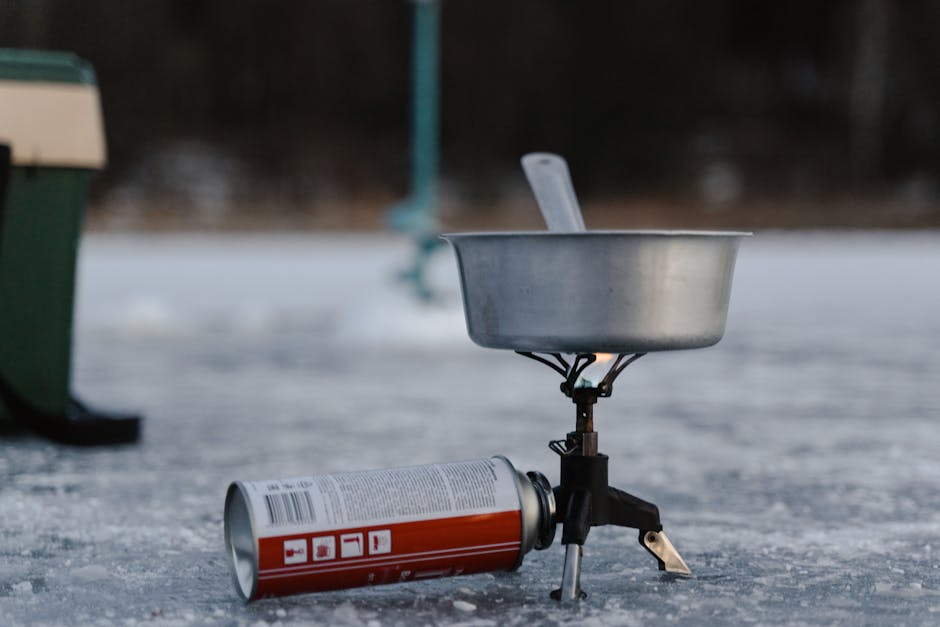
In extremely cold conditions, starting a fire can be life-saving. Fire starting tools are essential for warmth and cooking. They also provide a sense of security in the wild. Understanding the right tools can make a big difference.
Lighters And Matches
Lighters are convenient and easy to use. They fit in your pocket and are lightweight. Choose storm-proof lighters for windy conditions. These lighters are wind-resistant and reliable. Matches are a classic fire starter. Keep waterproof matches in your survival kit. They stay dry and ignite even in damp weather. For extra protection, store them in a sealed container.
Fire Starters
Fire starters are crucial in cold climates. They ignite quickly and produce strong flames. Magnesium fire starters are durable and efficient. Scrape the magnesium to create shavings. Ignite them with a spark for a quick flame. Another option is fire starter sticks. They burn longer than matches. Easy to pack, they work well in emergencies. Wax-coated cotton balls are also effective. They catch fire easily and burn steadily.
Navigation And Communication
Survival in extreme cold demands essential gear for navigation and communication. A reliable compass and detailed map help you stay on course. Satellite phones or two-way radios ensure you remain connected and safe.
Navigating and communicating effectively in extremely cold conditions can be as crucial as keeping warm. Imagine trekking through a snowy wilderness; the landscape is beautiful yet unforgiving. You need to know your way around and be able to call for help if needed. This is where reliable navigation and communication gear come into play.
Gps Devices
A GPS device is your digital guide through icy terrains. It helps you pinpoint your location with precision. Consider a GPS with a rugged design that can withstand harsh weather. Look for features like long battery life and cold-resistant screens. Some GPS devices offer offline maps, crucial when you lose signal in remote areas. Your focus should be on reliability. With a robust GPS, you’ll never find yourself lost in the cold wilderness.
Emergency Radios
In freezing conditions, communication becomes your lifeline. An emergency radio can be your best friend when all else fails. These radios keep you connected even in the remotest places. Choose one with weather alerts and a durable build to withstand the elements. Hand-crank radios are excellent, ensuring you always have power. Think about how you would reach out if you needed help. With an emergency radio, you’re never truly alone in the wilderness. When you're out there in the cold, what would you do without these essential tools? Proper navigation and communication gear can make the difference between a successful adventure and a dangerous situation. Equip yourself wisely and the cold becomes less daunting.
Food And Water Supplies
Preparing for extreme cold demands essential survival gear. Food and water supplies are crucial. Pack non-perishable foods like canned goods and dehydrated meals. Insulated bottles keep water from freezing.
When facing extremely cold conditions, your survival hinges on more than just staying warm. You need to ensure you have the right food and water supplies to sustain your energy and keep you hydrated. Without the right resources, the cold can quickly sap your strength and leave you vulnerable.
Non-perishable Foods
Non-perishable foods are essential for cold-weather survival. They don't spoil easily, making them reliable energy sources. Items like canned goods, dried fruits, and nuts are excellent choices. They are calorie-dense, providing necessary fuel without taking up much space in your pack. Imagine you're stuck in a blizzard with nothing but a can of beans and some trail mix. While not gourmet, these foods can keep you alive until help arrives. It's also wise to include protein bars and jerky in your gear. These items are not only compact but also packed with nutrients your body needs to combat freezing temperatures.
Water Purification
In icy conditions, finding clean water can be a challenge. Melting snow might seem like a quick fix, but it can be contaminated. You should always have a reliable water purification method. A portable water filter or purification tablets can save you from consuming harmful bacteria. Think about the last time you were outside in the cold. Did you feel thirsty more quickly than usual? Cold air dehydrates you faster, making clean water even more crucial. Always carry a backup plan, like a lightweight filter straw, to ensure you have access to safe drinking water. Consider what would happen if you ran out of purified water in a snowstorm. Would you drink from an unknown source? Preparing for such scenarios can mean the difference between life and death. Equip yourself with the tools to purify water effectively, maintaining your health and vitality in harsh climates.
First Aid Kit
A first aid kit is essential survival gear in extremely cold conditions. It includes bandages, antiseptic wipes, and pain relievers to treat injuries. Cold weather can cause frostbite and hypothermia, making quick medical care vital.
When you find yourself in extremely cold conditions, having a well-stocked first aid kit is crucial. The harsh environment can lead to a variety of injuries and ailments that require immediate attention. Ensuring your first aid kit is tailored for cold weather can make a significant difference in survival situations.
Basic Medical Supplies
A first aid kit for cold conditions should start with the essentials. Band-aids, antiseptic wipes, and adhesive tape are a must for treating minor cuts and abrasions. Cold can make your skin brittle and more prone to injuries, so these supplies should be easily accessible. Include sterile gauze pads and elastic bandages for larger wounds or sprains. Cold, slippery surfaces increase the risk of falls, so having these items can be a lifesaver. Don’t forget a pair of medical scissors and tweezers for cutting bandages and removing debris from wounds. Pain relievers like ibuprofen or aspirin are important for managing discomfort. They can also help reduce fever, which may occur if you catch an infection in the wild. Make sure to store these in waterproof packaging to prevent damage from moisture.
Hypothermia Treatment
Hypothermia is a real threat in extremely cold conditions. Your first aid kit should have tools and supplies to address it immediately. A thermal blanket or space blanket is lightweight and can quickly warm someone up by trapping body heat. Hand warmers are another practical addition. They are small, easy to activate, and can provide immediate warmth to fingers or toes that are starting to go numb. Keeping extremities warm is key to preventing frostbite and maintaining overall body temperature. Consider packing a thermometer. Recognizing the early signs of hypothermia, such as a drop in body temperature, can prompt you to take action before the situation worsens. Your vigilance can be the difference between a minor emergency and a life-threatening scenario. How prepared are you to tackle the dangers of extreme cold? Ensuring your first aid kit is equipped with these essentials could be the crucial step that saves a life.
Multi-tool And Repair Kit
Survival in extreme cold demands essential gear. A multi-tool and repair kit can fix broken equipment. These tools ensure you're prepared for emergencies, enhancing safety and efficiency.
Surviving in extremely cold conditions demands more than just warm clothing and a reliable shelter. A multi-tool and repair kit can be your lifeline when the unexpected occurs. Imagine being miles away from civilization with a broken tent pole or torn backpack. Having the right tools and repair materials can make all the difference in ensuring your safety and comfort. Let’s explore the essentials of a multi-tool and repair kit that you should never leave behind.
Knife And Tools
A sturdy knife is one of the most versatile tools in your arsenal. It can be used for cutting rope, preparing food, or even as a makeshift screwdriver. Opt for a multi-tool that includes other essentials like pliers, a can opener, and a small saw. Each function of the multi-tool can address different challenges, such as fixing gear or setting up camp. Beyond the knife, consider including tools like a small wrench and a screwdriver. These can help with more specific repairs, like tightening bolts on snowshoes or fixing a broken zipper. Remember, the goal is to be prepared for a variety of situations with minimal weight added to your gear.
Repair Materials
What do you do when your gear fails you in the freezing cold? Having a repair kit stocked with essential materials is crucial. Include items like duct tape, which can temporarily mend tears in fabric or secure loose parts. It's lightweight and incredibly versatile. Consider carrying a few patches of heavy-duty fabric or a sewing kit. These can be used to repair clothing or tents, providing a more permanent solution than tape. A small tube of glue can also be handy for quick fixes on plastic or metal components. Have you ever thought about the small things, like safety pins or zip ties? These inexpensive items can save the day by securing loose ends or holding broken pieces together until you can make a proper repair. The key is to think about what might break and plan accordingly. By equipping yourself with a comprehensive multi-tool and repair kit, you’re not just preparing for the worst—you're setting yourself up for success. What would you add to your survival kit to ensure you’re ready for any situation?
Frequently Asked Questions
What Are Essential Cold Weather Survival Tools?
Essential cold weather survival tools include thermal clothing, insulated boots, and a reliable sleeping bag. Fire-starting kits and waterproof matches are crucial for warmth. A multi-tool is handy for various tasks, while a first aid kit ensures safety. Navigation tools like a compass or GPS help in finding your way.
How Do You Choose Winter Survival Clothing?
Choose winter survival clothing based on insulation, moisture-wicking, and layering. Opt for thermal base layers, waterproof outer layers, and insulated jackets. Ensure boots are durable and warm. Gloves, hats, and scarves should protect extremities. Prioritize breathability and flexibility for comfort and mobility in extreme conditions.
What Food Is Best For Winter Survival?
High-calorie, nutrient-dense food is best for winter survival. Pack items like nuts, jerky, dried fruits, and energy bars. Canned soups and instant meals provide warmth and nutrition. Choose foods with long shelf lives and easy preparation. Hydration is crucial; carry water or a portable purifier.
Why Is A Fire Starter Important In Cold?
A fire starter is crucial for warmth, cooking, and signaling for help. It helps maintain body temperature and prevents hypothermia. Fire provides comfort and boosts morale. It’s essential for boiling water, ensuring safe drinking. Carrying multiple fire-starting methods ensures reliability in harsh conditions.
Conclusion
Preparing for extreme cold is crucial for survival. Essential gear includes warm clothing, reliable shelter, and a heat source. Insulated boots and gloves keep extremities warm. Don't forget a sturdy backpack for your essentials. Always pack a first-aid kit for emergencies.
Remember, staying dry is as important as staying warm. High-energy snacks help maintain your energy levels. A reliable map and compass aid navigation. Safety flares and a whistle can signal for help. Staying prepared ensures safety and comfort. Equip yourself wisely to face the cold confidently.
Your survival depends on it.