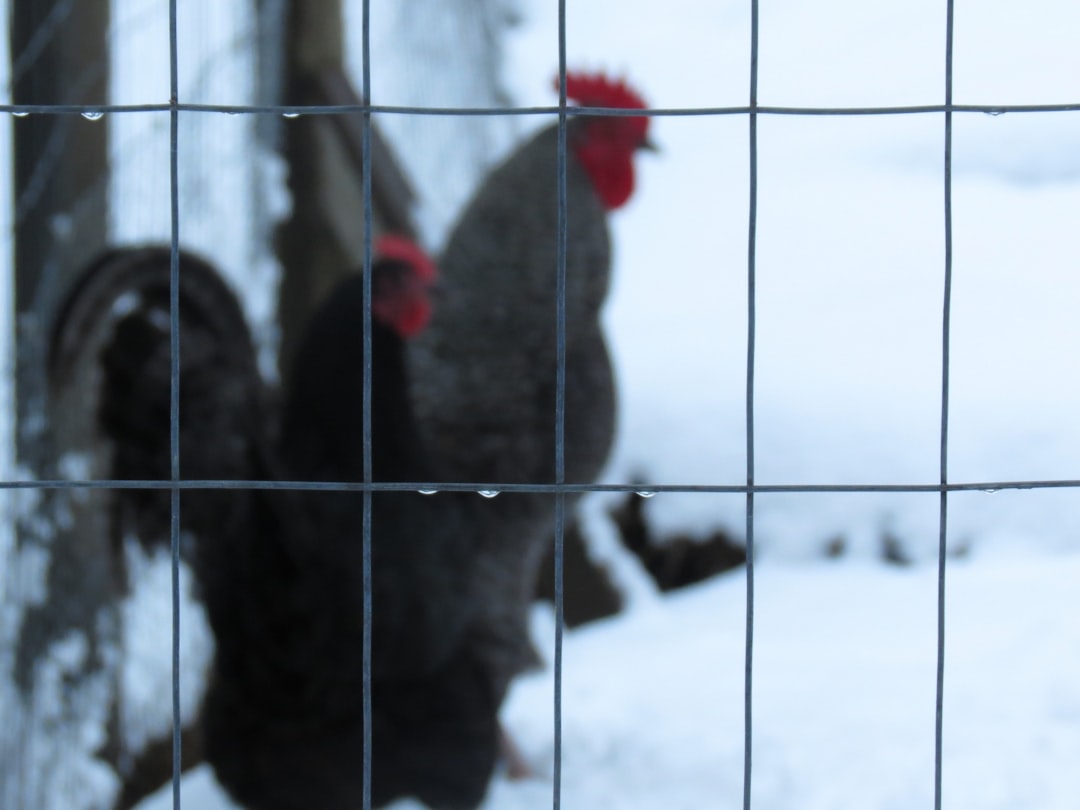
Will Chickens Survive Cold Weather?
Picture this: the crisp air of winter settles in, and you find yourself wondering, "Will my chickens survive the cold weather?" It’s a question many chicken owners face as the days grow shorter and the nights colder.
You care about your feathered friends, and ensuring their safety and comfort during chilly months is a top priority. What if we told you that you can easily protect your chickens from the harshest of winters with just a few simple steps?
Imagine the peace of mind knowing your chickens are warm and thriving despite the frost outside. You’ll discover essential tips, practical solutions, and expert advice that will empower you to keep your chickens safe and healthy all winter long. Dive into this article, and unravel the secrets to successful winter chicken care. Your chickens depend on you, and you can make a difference. Stay tuned, because the answers are right here, waiting to transform your winter worries into a season of confidence and care.
Cold Weather Adaptations In Chickens
Chickens are surprisingly resilient creatures, thriving even in chilly conditions. Their natural adaptations allow them to withstand harsh winters. Understanding these adaptations helps ensure their well-being during cold months. Chickens have evolved various mechanisms to cope with falling temperatures. These adaptations are essential for maintaining their health and productivity.
Feather Insulation
Feathers play a critical role in keeping chickens warm. Their dense plumage acts as a natural insulator. It traps warm air close to their bodies. This helps maintain a stable body temperature. Fluffing up their feathers increases insulation, providing extra warmth.
Body Fat
Chickens accumulate body fat during warmer seasons. This fat serves as an energy reserve in cold weather. It provides essential warmth and energy. Fat reserves allow chickens to stay active and healthy. They maintain their body temperature even in frigid conditions.
Roosting Behavior
Roosting is a vital survival strategy for chickens. They perch closely together at night. This behavior conserves heat and enhances warmth. Roosting helps reduce exposure to cold air. It supports efficient heat retention during chilly nights.
Natural Resistance
Chickens have a natural resistance to cold weather. Their physiology adapts to withstand lower temperatures. This resistance minimizes the risk of cold-related ailments. Chickens continue to thrive, even as temperatures drop.
Recognizing Cold Stress Symptoms
Chickens often survive cold weather by recognizing signs of cold stress. Look for shivering or huddling together. A drop in egg production can also indicate they're feeling cold.
Recognizing cold stress symptoms in chickens is crucial for their survival during chilly months. As temperatures drop, your chickens may start to show signs of discomfort and stress, which can impact their health. Being aware of these symptoms can help you take timely action to ensure your flock stays warm and healthy.
Understanding The Signs Of Cold Stress
When temperatures plummet, chickens may exhibit behaviors that indicate they're struggling with the cold. Look for signs like lethargy or reduced activity. If you notice them huddling together excessively, it's a clear sign they're trying to conserve warmth. Pay attention to any changes in their vocalizations, as quieter clucking might indicate they're distressed.
Changes In Physical Appearance
Cold stress often affects a chicken's physical appearance. Their combs and wattles may become pale or develop frostbite. You might see their feathers looking fluffed up more than usual as they try to trap heat. These physical changes can be early indicators that your chickens are feeling the cold more intensely than they should.
Behavioral Adjustments
Chickens may alter their behavior when experiencing cold stress. They might spend more time inside the coop, avoiding the outdoors. If you notice them eating less, it could be a sign that cold stress is affecting their appetite. Consider how these behavioral changes might impact their overall health and egg production.
Monitoring Egg Production
Cold stress can lead to a decline in egg production. If your chickens are laying fewer eggs, it could be due to the stress of low temperatures. Monitor egg production closely during cold spells. Ask yourself if their environment is adequately warm and if they're receiving enough nutrition to counteract the cold.
Practical Measures To Combat Cold Stress
To prevent cold stress, ensure your chicken coop is well-insulated and draft-free. Provide extra bedding to keep them comfortable. Consider installing a safe heat source in extreme cold. Provide warm water and high-energy feed to help your chickens maintain their body heat. Taking these steps can make a significant difference.
Engage With Your Flock
Spend time observing your chickens in cold weather. Your presence can reassure them and help you spot any unusual behavior early. Think about how attentive care can impact their resilience. Are you doing enough to ensure their comfort during winter months? Recognizing and addressing cold stress symptoms is essential for your chickens' well-being. By being proactive, you can help them weather the cold season with ease. Remember, attentive care can prevent stress and promote a healthy, happy flock.
Coop Insulation Techniques
Keeping chickens warm during cold weather is crucial for their health. Proper coop insulation helps maintain a comfortable environment. This section explores effective insulation strategies for chicken coops.
Choosing The Right Materials
Start by selecting suitable insulation materials. Straw and hay are common choices. They trap heat well and are readily available. Another option is foam board insulation. It provides excellent thermal resistance. Consider using recycled materials like old blankets. They offer warmth without extra cost.
Sealing Drafts
Identifying and sealing drafts is essential for warmth. Check for gaps around doors and windows. Use weatherstripping to block cold air. Inspect walls and roof for holes. Caulk can effectively seal small openings. Ensure vents are properly sealed but allow for ventilation. A well-sealed coop keeps chickens cozy.
Providing Heat Sources
Chickens need warmth to thrive in cold weather. Without proper heat, their productivity drops. It's vital to ensure they have a warm environment. Providing heat sources in your chicken coop can make a big difference. This keeps chickens healthy and comfortable.
Safe Heating Options
Choose heaters designed for poultry. Infrared heaters are a safe choice. They provide gentle warmth. Heat lamps can also be effective. Ensure they are securely installed. Avoid heaters with open flames. These pose a fire risk. Oil-filled radiators are another option. They are safe and efficient.
Managing Heat Levels
Maintain a consistent temperature in the coop. Use a thermometer to monitor heat. Adjust heaters as needed. Too much heat can stress chickens. Ensure there is ventilation. Fresh air prevents moisture buildup. This reduces the risk of respiratory issues. Always ensure safety first.
Feeding For Cold Weather
As temperatures drop, chickens need more energy to stay warm. Their bodies work harder to maintain heat. This means they need more food. A proper diet helps them survive the cold months.
High-calorie Diets
Chickens need more calories in winter. Offer them extra grains like corn. Corn is a great energy source. It helps keep them warm during cold nights. Ensure they have access to feed all day.
Supplements And Treats
Boost their diet with supplements. Protein-rich foods help them stay healthy. Give them mealworms or sunflower seeds. These treats provide extra nutrition. They love pecking at these tasty bites.
Water Management In Winter
Chickens can endure cold weather with proper water management. Ice-free water is crucial for their survival during winter. Regular checks and insulated containers help maintain access to fresh, unfrozen water.
Managing water for your chickens in winter is crucial to ensure their health and productivity. With freezing temperatures, water can quickly turn into ice, leaving your feathered friends thirsty and stressed. By focusing on effective water management strategies, you can keep your chickens hydrated and happy even in the coldest months.
Preventing Freezing
Cold weather often means frozen water, and that’s a hassle no chicken owner wants. To prevent this, consider investing in a heated waterer. These devices keep water at a drinkable temperature, saving you the trouble of breaking ice multiple times a day. If a heated waterer isn't an option, try placing your chicken's water in a sunny spot. Even in winter, sunlight can help keep the water from freezing. Just make sure to check it regularly, as temperatures can drop unexpectedly. Another simple trick is to use a larger container for water. The larger volume takes longer to freeze, giving your chickens more time to drink. You can also add a few ping-pong balls to the water. The wind will move them around, preventing the surface from freezing quickly.
Ensuring Constant Supply
A reliable water supply is essential for your flock's well-being. Make it a habit to check and refill their water at least twice a day. This ensures they always have access to fresh water, especially during peak cold periods. Consider keeping an extra waterer on hand. If one freezes over, having a backup means your chickens won't go without. It's a small step that can make a big difference. Also, evaluate the location of your water source. Keeping it close to the coop may reduce the chances of it freezing, as the warmth from the chickens can help keep the temperature up. Plus, it's more convenient for you to monitor and refill. Winter water management might seem challenging, but with these practical tips, you can make it manageable. What's your go-to strategy for keeping chicken water from freezing? Share your experiences and help other chicken owners keep their flocks healthy this winter.
Encouraging Physical Activity
Cold weather challenges chickens, but they can survive with proper care. Keeping them active helps maintain their body heat. Provide a sheltered coop, balanced diet, and enough space for movement to ensure their health during chilly months.
Encouraging physical activity in chickens during cold weather is essential. Movement helps them stay warm and healthy. When temperatures drop, chickens may become less active. This inactivity can lead to health issues. Creating ways to keep them moving is important. Here are some effective strategies.
Outdoor Access
Even in cold weather, outdoor access is beneficial. Chickens enjoy foraging and scratching. Set up a protected area with windbreaks. This encourages exploration without the harsh wind. Use straw or wood chips on the ground. This prevents their feet from freezing. Sunlight exposure is also vital. It helps them produce vitamin D. Ensure they have a safe, dry place to roam.
Indoor Enrichment
Indoor enrichment keeps chickens entertained. Provide perches at different heights. This encourages jumping and movement. Hang greens or vegetables within reach. They peck and play with hanging treats. Scatter grains or seeds on the floor. This mimics natural foraging behavior. Offer dust baths indoors. It keeps them clean and active. Rotate toys and objects regularly. This keeps their environment stimulating.
Monitoring Health During Winter
Winter can be tough on chickens. Cold weather challenges their health. Monitoring their health becomes essential during this time. Keeping a close eye helps in ensuring their survival. This involves regular health checks and addressing any illnesses promptly. Let's explore how to keep your flock healthy in the cold months.
Regular Health Checks
Conduct regular health checks for your chickens. Look for signs of discomfort or distress. Check their feathers for any signs of damage. Inspect their feet for frostbite. Ensure their combs and wattles are free from frost. Healthy chickens have bright eyes and smooth feathers. Regular checks help you catch problems early.
Addressing Illnesses
Cold weather can lead to illnesses in chickens. Respiratory issues are common in winter. Watch for symptoms like coughing or sneezing. Isolate sick birds to prevent spreading. Provide warmth and hydration to ailing chickens. Consult a vet if symptoms persist. Early treatment ensures quicker recovery.
Frequently Asked Questions
How Do Chickens Stay Warm In Winter?
Chickens stay warm by fluffing their feathers and huddling together. Their dense feathers provide insulation against cold. Additionally, providing a draft-free coop and extra bedding helps maintain warmth. It's essential to keep their living area dry and clean to prevent frostbite and discomfort.
Can Chickens Handle Freezing Temperatures?
Yes, chickens can handle freezing temperatures with proper care. They adapt well if their coop is draft-free and dry. Chickens need a balanced diet to maintain energy and body heat. Supplemental heat sources like heat lamps are usually unnecessary unless temperatures drop extremely low.
What Should I Feed Chickens In Cold Weather?
During cold weather, feed chickens high-energy and protein-rich food. Incorporate grains like corn and oats for extra calories. Provide fresh water to prevent dehydration. Adding kitchen scraps, like cooked vegetables and fruit, offers variety and additional nutrients for warmth and health.
Do Chickens Need A Heated Coop In Winter?
Chickens generally do not need a heated coop in winter. Insulation and a draft-free environment are sufficient. Excessive heat can cause respiratory issues. Ensure ventilation to prevent moisture buildup. Only use supplemental heat in extreme cold to avoid stress and health problems.
Conclusion
Chickens can handle cold weather with proper care. Provide them with a warm coop. Ensure they have enough food and water. Check that their feathers stay dry. Add extra bedding to their nesting areas. Watch for signs of frostbite on combs and wattles.
Keep drafts out of the coop. Consider using a heat lamp if temperatures drop too low. Chickens are hardy birds, but they need your help. Stay attentive to their needs during the cold months. With these steps, your chickens can thrive even in winter.