Can Bed Bugs Survive the Cold Weather?
Imagine waking up one chilly morning, pulling back your cozy blankets, and suddenly wondering: "Can bed bugs survive the cold weather?" It's a question that might catch you off guard, especially if you're dealing with these pesky invaders in your home.
As the temperature drops, you might hope that the cold will naturally eliminate these unwelcome guests. But is it really that simple? You will uncover the truth about bed bugs and their resilience against winter's chill. You'll discover surprising facts that could change how you handle these critters, and learn effective strategies to protect your space from their stubborn grip.
Keep reading to arm yourself with knowledge that could save you from sleepless nights and unwanted bites.
Bed Bugs And Temperature Extremes
Bed bugs are resilient pests. They adapt to many environmental changes. Temperature plays a big role in their survival. Extreme temperatures can impact their life cycle. Understanding this helps in controlling infestations.
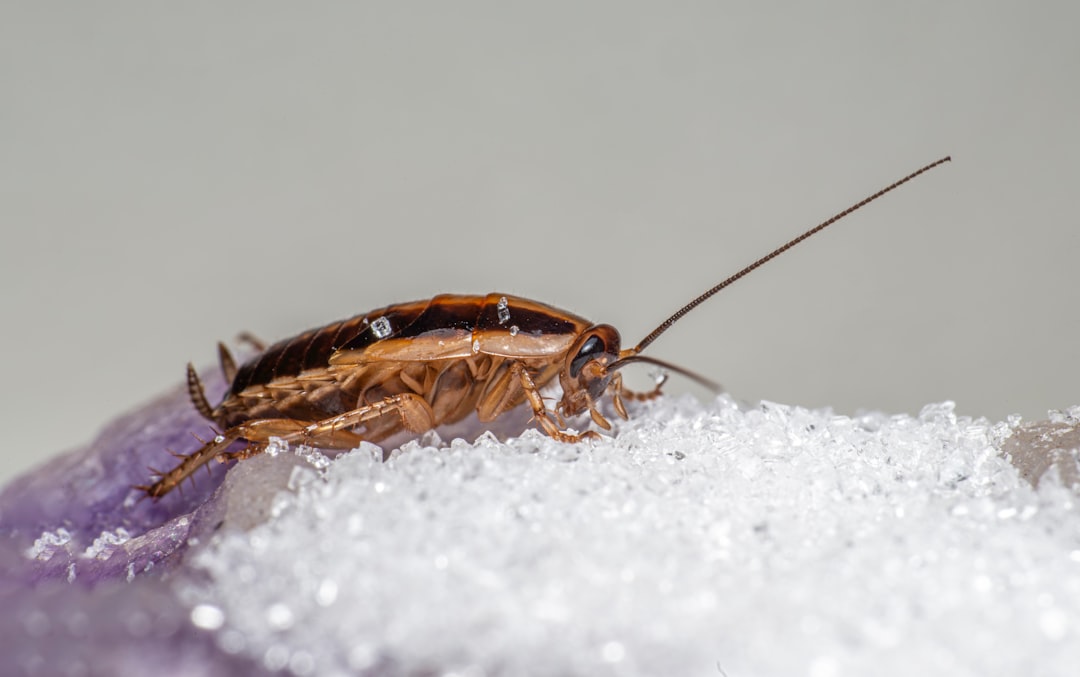
Bed bugs can survive cold weather. They do not thrive in freezing temperatures. Cold slows their metabolism. It can delay reproduction. If temperatures drop below zero, they face challenges. Long exposure to freezing conditions may kill them.
Heat And Bed Bug Survival
High temperatures are tough for bed bugs. They cannot endure extreme heat. Heat above 120 degrees Fahrenheit is lethal. Exposure to such heat for an hour can eliminate them. This is why heat treatments are effective.
Temperature Range For Bed Bugs
Bed bugs prefer moderate climates. Ideal temperatures are between 70 and 90 degrees Fahrenheit. This range supports their growth. It enables them to reproduce quickly. Outside this range, their activity decreases.
Impact Of Sudden Temperature Changes
Sudden temperature shifts affect bed bugs. They struggle to adapt quickly. Rapid changes can hinder their survival. This might reduce their population. Consistent temperature control is key for managing infestations.
How Cold Affects Bed Bugs
As the chill of winter sets in, many of us hope that the freezing temperatures will eliminate pesky pests like bed bugs. But does cold weather really affect these resilient creatures? Understanding how cold affects bed bugs can help you better prepare your home and plan your pest control strategy.
Bed bugs are resilient. They can survive a range of temperatures. However, the cold does impact them.
The Impact Of Temperature On Bed Bugs
Bed bugs thrive in temperatures between 70°F and 90°F. When the temperature drops below 45°F, their activity decreases. They may not die immediately, but their reproduction and feeding slow down significantly.
So, while they might not be as active, they aren't gone. This can be misleading. It's crucial to maintain pest control efforts throughout the colder months.
How Cold Is Cold Enough?
For cold to effectively kill bed bugs, temperatures need to be extreme. Studies show that they start dying at temperatures below 0°F. But this needs to be sustained over several days.
Simply leaving windows open for a few hours won't cut it. It's a matter of sustained exposure to freezing temperatures. This is rarely practical for indoor spaces.
Practical Steps For Cold Weather Pest Control
- Seal up your home. Prevent bed bugs from finding cozy spots.
- Maintain regular pest control measures. Don't rely solely on cold.
- Consider professional services. They can offer more effective solutions.
Have you ever tried using cold to tackle bed bugs? Did it work? Share your experiences. It's a chance to learn from each other.
Remember, while cold can help deter bed bugs temporarily, it won't eliminate them completely. A comprehensive approach is always best.
Survival Mechanisms
When winter arrives, you might think bed bugs would be a thing of the past. But these resilient pests have developed fascinating survival mechanisms to endure cold weather. Understanding how they adapt might just give you the upper hand in dealing with them.
Hibernation Habits
Bed bugs don't hibernate in the traditional sense, but they do become less active as temperatures drop. Their metabolism slows down, allowing them to conserve energy. This means they can survive longer without feeding. However, they still need a host when temperatures rise. Have you noticed a decrease in bites during winter?
During colder months, bed bugs often hide in cracks and crevices to shield themselves from the cold. They find spots where temperatures are more stable. If you spot them, it’s likely they’ve found a cozy nook. Keeping your home clean and clutter-free can limit these hiding places.
Seeking Warmth
Bed bugs are drawn to warmth. They seek out places like beds and couches, where human body heat provides the perfect refuge. Even in a chilly room, they can thrive if you’re nearby. Have you ever wondered why you find them in your bed?
These pests are crafty. They hitch rides on your clothing or luggage to find warmer environments. That's why traveling can sometimes lead to unexpected infestations. Checking your luggage when returning home can prevent unwanted guests.
What strategies do you use to keep bed bugs at bay during winter? Exploring these survival mechanisms can help you stay ahead of these pesky invaders. The next time you spot one, you’ll know exactly why they’re there—and how to tackle the problem.
Impact Of Freezing Temperatures
Freezing temperatures can kill bed bugs, but they must be exposed for several days. Cold weather alone might not eliminate them unless sustained below freezing. Proper treatment is necessary for effective bed bug control in winter.
The impact of freezing temperatures on bed bugs is a topic that intrigues many, especially during the colder months. You might assume that a drop in temperature spells doom for these pesky insects, but is that really the case? Understanding how bed bugs react to cold weather can help you manage infestations more effectively and prevent future problems.
Can Bed Bugs Really Survive The Cold?
Bed bugs are surprisingly resilient creatures. They can survive in cold temperatures, but there is a limit. While they may not thrive in freezing conditions, they can endure them for short periods. If the temperature drops below freezing for an extended time, it may kill them, but this is not a guaranteed solution.
How Long Can Bed Bugs Last In Freezing Temperatures?
The duration for which bed bugs can survive in freezing temperatures depends on how low the temperature drops. Studies suggest that bed bugs exposed to temperatures of 0°F (-18°C) for about four days are likely to die. However, brief exposure to cold weather, like a chilly night, might not be enough to eliminate them.
Practical Steps For Using Cold To Control Bed Bugs
If you're considering using cold as a method to control bed bugs, there are practical steps you can take. Items like clothing and bedding can be sealed in plastic bags and placed in a freezer for a few days to kill any hidden bugs. Always ensure the freezer is set to 0°F (-18°C) to maximize effectiveness.
Is Cold Weather A Reliable Solution?
While freezing temperatures can help control bed bugs, relying solely on this method may not be the best strategy. Bed bugs can hide in the warm nooks of your home, avoiding the cold. It's important to combine cold treatments with other pest control methods for a comprehensive approach.
What Should You Do During Cold Months?
During the cold months, you might be tempted to open windows or turn down the heat to freeze out bed bugs, but this is not always practical. Instead, focus on regular cleaning and inspection. Use vacuuming and other control measures to keep your home bed bug-free. Have you ever tried using the cold to tackle a bed bug problem? Did it work, or did you need to try something else? Share your experiences in the comments, and let's learn from each other.
Effective Cold Treatments
Bed bugs are notorious for their resilience, making them difficult to eliminate. Cold treatments provide an effective way to tackle these persistent pests. Bed bugs can't survive extreme temperatures, making cold treatment a viable option. Let's explore some effective methods to freeze out these unwanted guests.
Home Freezing Methods
Freezing items can kill bed bugs. Place infested items in a sealed plastic bag. Then, put the bag in a freezer at 0°F (-18°C) for four days. Ensure your freezer reaches the correct temperature. Regular freezers may not always be cold enough. Consider using a chest freezer for better results. This method works well for small items like clothes, shoes, and bedding.
Professional Extermination
Professional exterminators offer advanced cold treatments. Cryonite is a popular option. It uses carbon dioxide snow to freeze bed bugs instantly. This method reaches into cracks and crevices. It's eco-friendly and leaves no residue. Professionals ensure thorough treatment of all affected areas. They have the equipment to target large infestations. Hiring experts can provide peace of mind. Effective and quick results are often guaranteed.
Myths About Cold And Bed Bugs
Many believe that cold weather kills bed bugs. This is a common myth. Bed bugs are resilient and can survive in various conditions. Understanding these myths helps in managing bed bug infestations effectively.
Myth 1: Bed Bugs Die Instantly In The Cold
Some think bed bugs die quickly in cold temperatures. This is false. Bed bugs can survive in temperatures as low as 46°F. They slow down but do not die immediately. This makes cold an unreliable method for eliminating them.
Myth 2: Freezing Rooms Kills Bed Bugs
Freezing a room won't easily kill bed bugs. Prolonged exposure to freezing temperatures is necessary. The temperature must be consistently below 0°F for several days. Home freezers are not always effective for this purpose.
Myth 3: Bed Bugs Can't Hibernate
Bed bugs do not hibernate like bears. They enter a dormant state when cold. This dormancy allows them to survive without feeding for extended periods. They wait for warmer conditions to become active again.
Myth 4: Cold Weather Prevents Infestations
Cold weather does not prevent bed bug infestations. Bed bugs thrive indoors where temperatures are stable. Homes, hotels, and public places provide ideal conditions. Bed bugs can infest any place regardless of the weather outside.
Myth 5: Cold Treats Bed Bugs Better Than Heat
Many believe cold treatments are more effective than heat. Heat treatments are actually more effective. Temperatures above 120°F can kill bed bugs quickly. Cold treatments require much longer exposure and precise conditions.
Preventing Bed Bug Infestations
Bed bugs are the ultimate uninvited guests, sneaking into your home and making themselves comfortable. Preventing infestations is crucial, especially as these pests are resilient and can survive even in cold weather. Understanding simple prevention strategies can save you from a lot of headaches and itchy bites.
Home Inspections
Regular home inspections are your first line of defense against bed bugs. Check the seams of your mattress and furniture for small, rust-colored spots. These can be a sign of bed bug activity. You might think, "I don't have time for this," but a quick inspection can prevent a major problem. Consider using a flashlight to spot these pests in dark corners.
During a home inspection, look for the bugs themselves or their eggs. They hide in crevices and folds, making them difficult to find. A friend once found them hidden behind a picture frame! This proves they can be anywhere. So, make it a habit to do a thorough check every few weeks.
Travel Precautions
Traveling can be exciting, but it also poses a risk for bringing bed bugs home. Before you unpack, inspect hotel rooms for signs of bed bugs. Look in mattress seams and under bed frames. This simple precaution can save you from a nightmare.
Consider using a luggage encasement. These can prevent bed bugs from hitching a ride back to your home. Additionally, keep your suitcase off the floor and bed. Have you ever thought about how bed bugs can cling to your clothes? Wash them immediately upon returning home to stop any potential infestation.
These preventive measures are straightforward and effective. Are you ready to implement them and keep your home bed bug-free? A little effort now can save you from a big problem later. Your peaceful night's sleep is worth it!
Frequently Asked Questions
Can Bed Bugs Survive Freezing Temperatures?
Bed bugs can survive freezing temperatures for short periods. However, prolonged exposure to temperatures below 32°F can be fatal. They are resilient and may seek warmer areas to survive. Proper pest control measures are essential to eliminate them effectively.
Do Cold Winters Kill Bed Bugs?
Cold winters may not kill bed bugs instantly. They can become dormant in cold weather but survive by finding warmer spots indoors. Effective pest control requires consistent measures beyond relying on cold weather alone.
How Do Bed Bugs Adapt To Cold?
Bed bugs adapt to cold by slowing their metabolism and seeking warm places. They hide in heated areas like homes during winter, maintaining their lifecycle despite temperature drops. Effective pest control requires professional intervention to eliminate infestations.
Is Heat Or Cold Better For Eliminating Bed Bugs?
Heat is more effective than cold for eliminating bed bugs. Temperatures above 120°F can kill bed bugs and their eggs rapidly. Cold temperatures can slow them down but may not effectively eliminate infestations without additional pest control strategies.
Conclusion
Bed bugs can withstand cold weather. They hide in warm spaces. This helps them survive harsh conditions. Lowering temperatures can slow their activity. But it doesn’t kill them easily. Bed bugs can enter a hibernation-like state. This lets them endure for months.
Regular inspections help spot infestations early. Quick action is essential to control them. Freezing infested items might help. Professional treatments are often more effective. Understanding their resilience aids in managing them. Stay vigilant to keep your home bed bug-free.