Can a Cat Survive Freezing Weather?
Have you ever wondered if your beloved cat can endure freezing temperatures? As the chill of winter sets in, it's a concern that many pet owners share.
Understanding how cold weather affects cats isn't just about curiosity; it's about ensuring the safety and well-being of your furry companion. You might be surprised by the resilience of cats, but there are critical factors that you need to consider to keep them safe and warm.
We'll dive into what you need to know to protect your cat from the harsh winter elements, dispelling myths and giving you practical tips to ensure your pet's comfort. Keep reading to discover how you can become your cat's winter hero, making sure they are happy, healthy, and safe from the cold.
Cat Physiology And Cold Weather
Cats possess a unique physiology that helps them endure cold weather. Thick fur provides insulation against freezing temperatures. Yet, prolonged exposure to extreme cold can still pose serious health risks.
Cats are intriguing creatures with a physiology that equips them to adapt to various environments. However, cold weather poses challenges even for these agile animals. Understanding how a cat's body responds to freezing conditions can help you ensure your feline friend stays warm and safe during winter months.
Understanding Cat Body Temperature Regulation
Cats have a natural ability to regulate their body temperature, but this is limited in freezing weather. Their fur acts as insulation, but it's not always enough. Have you ever noticed your cat curling up into a tight ball? This is a way to conserve heat. Despite their fur, cats can still be vulnerable to hypothermia. If your cat starts shivering or seems lethargic, it's a signal that they might be too cold. Always monitor your cat's behavior during cold spells.
Role Of Fur In Insulation
A cat's fur is its first line of defense against the cold. Some breeds, like Maine Coons or Norwegian Forest Cats, have dense, thick coats that offer better protection. But not all cats are blessed with such fur. My short-haired tabby, for instance, looks fluffier than she is warm during winter. If your cat has a thinner coat, consider providing extra warmth. Blankets and heated beds can make a big difference. Your cat’s fur alone may not be enough to withstand the chill.
Physical Adaptations In Cats
Cats have unique physical adaptations for surviving chilly weather. Their paws are equipped with fur tufts that reduce heat loss. You might notice your cat tucking their paws under their body when lying down. This is an instinctive move to keep warm. These adaptations can only go so far. If temperatures drop significantly, indoor warmth becomes essential. Think about how you can enhance your cat's comfort inside your home.
Impact Of Age And Health On Cold Weather Tolerance
Age and health play significant roles in how cats cope with cold weather. Kittens and elderly cats have less resilience against the cold. Their bodies can't regulate temperature as effectively as healthy adults. Does your cat have any health issues? Conditions like arthritis can worsen in the cold. It's crucial to provide extra care and warmth for vulnerable cats. A little attention can prevent a lot of discomfort.
Practical Tips To Protect Your Cat
What steps can you take to ensure your cat stays warm? Create cozy spaces with blankets and pet-safe heaters. If your cat ventures outside, limit their time and ensure they have a warm place to return to. Also, remember to check your cat's hydration. Cold weather can lead to dehydration, which further impairs their ability to stay warm. Keep their water bowl accessible and filled. Engage with your cat by playing indoors. Active cats are warmer cats. Your companionship can be as comforting as a thick blanket on a cold day. In freezing weather, your proactive measures can make the difference between comfort and distress for your feline companion. Have you prepared your home for winter?
Natural Adaptations
Cats have natural adaptations to help survive cold weather. Thick fur provides insulation against freezing temperatures. Cats seek warm shelters and conserve energy during extreme cold.
Natural Adaptations Cats are remarkable creatures with unique adaptations that help them survive in various environments. You might wonder how these domestic companions manage when temperatures drop. Understanding their natural adaptations to freezing weather can provide valuable insights into their survival. Have you ever noticed how your cat behaves differently in colder months? Let's delve into how their fur and body temperature regulation play crucial roles in keeping them safe and warm.
Fur And Insulation
Cats are equipped with a thick layer of fur that acts like a natural coat. This fur is designed to trap heat and provide insulation, keeping them warm even in chilly weather. If you've ever stroked your cat during winter, you might have felt the dense undercoat beneath the outer layer. This undercoat is essential for insulation. It's fascinating how some breeds, like the Norwegian Forest Cat, have evolved to have even thicker fur. This adaptation allows them to thrive in cold climates. Next time you see your cat fluffing up its fur, it's not just a cute behavior—it's an essential survival mechanism.
Body Temperature Regulation
Cats are adept at regulating their body temperature, a skill that becomes particularly vital in freezing conditions. Unlike humans, who shiver to generate heat, cats have a more efficient internal thermostat. You'll often see them curled up in a ball, minimizing heat loss by reducing exposed surface area. Moreover, they tend to seek warm spots around the house, like sunny windowsills or cozy blankets. This behavior is instinctual, helping them maintain their body heat. Have you ever noticed your cat gravitating towards heat sources? This is a clever strategy to conserve energy and stay warm. Consider how these natural adaptations affect your cat's daily life. Understanding these traits can help you create a more comfortable environment for your feline friend during winter. How does your cat adapt to cold weather? Observing these behaviors can deepen your appreciation for their resilience and resourcefulness.
Risks Of Freezing Temperatures
Cats are sensitive to extreme weather changes. Freezing temperatures pose serious risks. These risks can harm their health and well-being. Cats need warmth to survive. Without it, their bodies face dangers.
Understanding these risks is vital. It helps in taking protective steps. Let's explore the two main threats.
Hypothermia
Hypothermia occurs when a cat's body temperature drops too low. This happens in cold weather. Cats struggle to maintain body heat. Their immune system weakens. They may shiver or appear lethargic.
These are warning signs. If not addressed, hypothermia can be fatal. Early detection and care are crucial. Keep your cat indoors during cold spells.
Frostbite
Frostbite damages skin and tissues. It affects ears, paws, and tails first. In freezing weather, blood flow decreases. This leads to tissue damage.
Frostbite can cause severe pain. It may lead to infections or loss of tissue. Always check your cat's exposed areas. If you notice pale or cold skin, seek veterinary help.
Signs Of Cold Stress
Cats exposed to freezing weather may show signs of cold stress. Shivering and lethargy are early indicators of hypothermia. Frostbite can occur, leading to pale or swollen skin, especially on ears and paws. It's crucial to keep them warm and sheltered during extreme cold conditions.
When the temperature drops, your feline friend may struggle with the cold more than you realize. Recognizing the signs of cold stress in cats is crucial to ensuring their health and safety. Just like humans, cats show specific signs when they're too cold, and understanding these can help you take swift action to keep your cat warm and comfortable.
Behavioral Changes
Cats are experts at hiding discomfort, but cold stress can lead to noticeable changes in their behavior. You might find your cat seeking out warmer spots more often. This could be near heaters, under blankets, or even nestled close to you. A usually playful cat may become lethargic. If your cat seems less interested in activities they usually enjoy, cold stress could be the culprit. Watch for changes in their eating habits, too. Cold-stressed cats may eat less, as their body focuses on conserving energy.
Physical Symptoms
Your cat’s body language can be telling. If you notice your cat shivering or trembling, it's a clear sign they're feeling the chill. Touch their ears and paws. If they feel cold to the touch, your cat’s body temperature might be dropping. Look for other signs like a hunched posture or a tucked tail, which can indicate they're trying to retain warmth. Their fur might also become puffed up as they attempt to trap more heat. Have you ever noticed any of these signs in your cat during the winter months? It's essential to act quickly. Simple actions, like providing a warm bed or increasing indoor heat, can make a big difference. Keeping a vigilant eye on your cat's behavior and physical condition can ensure they stay healthy, no matter how cold it gets outside.
Protection Strategies
Cats can face danger in freezing weather. Warm shelters are crucial for their survival. Providing food and water helps them stay strong and healthy.
Cats face many challenges in freezing weather. They need protection strategies to stay safe and warm. Owners can help by ensuring their cats have the right resources. Two key areas to focus on are creating warm shelters and providing proper nutrition. These strategies are vital for keeping cats healthy in cold conditions.
Creating Warm Shelters
Cats need a cozy place to escape the cold. Create a shelter with insulating materials. Use straw or blankets for warmth. Make sure the shelter is dry and draft-free. Position it away from wind and rain. Small spaces work best for trapping body heat. Check the shelter regularly for damage or wetness. Keep it clean and dry for your cat's comfort.
Proper Nutrition
Nutrition plays a crucial role in a cat’s survival. In cold weather, cats need more calories. Ensure they have access to nutritious food. Provide wet food for extra hydration. Offer meals more frequently to keep energy levels high. Fresh water is essential too. Prevent water from freezing by using heated bowls. A well-fed cat is better prepared to face the cold.
Indoor Vs Outdoor Cats
Cold weather poses a serious threat to outdoor cats. They struggle to survive freezing temperatures. Indoor cats enjoy warmth and safety, avoiding the dangers of harsh weather.
Indoor vs Outdoor Cats Deciding whether your cat should be an indoor or outdoor pet is more than just a lifestyle choice; it's a matter of their survival, especially in freezing weather. Cats have different needs and abilities when it comes to adapting to their environments. As someone who once found a shivering stray on my doorstep during a snowstorm, I learned that both indoor and outdoor cats face unique challenges and require specific care to thrive.
Adaptability To Environment
Cats are naturally resilient, but there's a big difference between those who live indoors and those who brave the elements outside. Indoor cats enjoy controlled temperatures and stable environments. They adapt quickly to household routines and are generally less stressed by sudden weather changes. Outdoor cats, however, need to be more adaptable. They must navigate fluctuating temperatures and find shelter to keep warm. Outdoor cats develop thicker fur coats as the weather cools, which offers some protection against the cold. But even this natural adaptation has its limits.
Safety Measures
As a cat owner, your responsibility is to ensure your feline friend is safe, regardless of their living situation. For indoor cats, maintaining a warm and cozy environment is crucial. Use blankets, heated beds, or a sunny window perch to keep them comfortable. For outdoor cats, consider setting up a winter shelter. A simple insulated box with straw bedding can make a significant difference. Make sure they have access to unfrozen water and food, as staying warm requires extra energy. Remember, even if your cat is accustomed to the outdoors, extreme cold can be life-threatening. You might wonder, is it worth the risk to let them roam freely? By taking these steps, you provide your cat with a better chance of surviving harsh winters, whether they enjoy the comforts of indoor life or the adventures of the outdoors.
Emergency Situations
Cats have some protection against cold due to their fur. In freezing weather, survival depends on various factors. Shelter and food are crucial for their well-being in harsh conditions.
When temperatures plummet, cats face serious threats from freezing weather, especially if they're used to the warmth of indoor living. You might wonder if your feline friend can survive harsh winter conditions. In emergency situations, your quick response can make a huge difference. Understanding the steps to take when your cat is exposed to freezing temperatures can be life-saving.
Immediate Actions
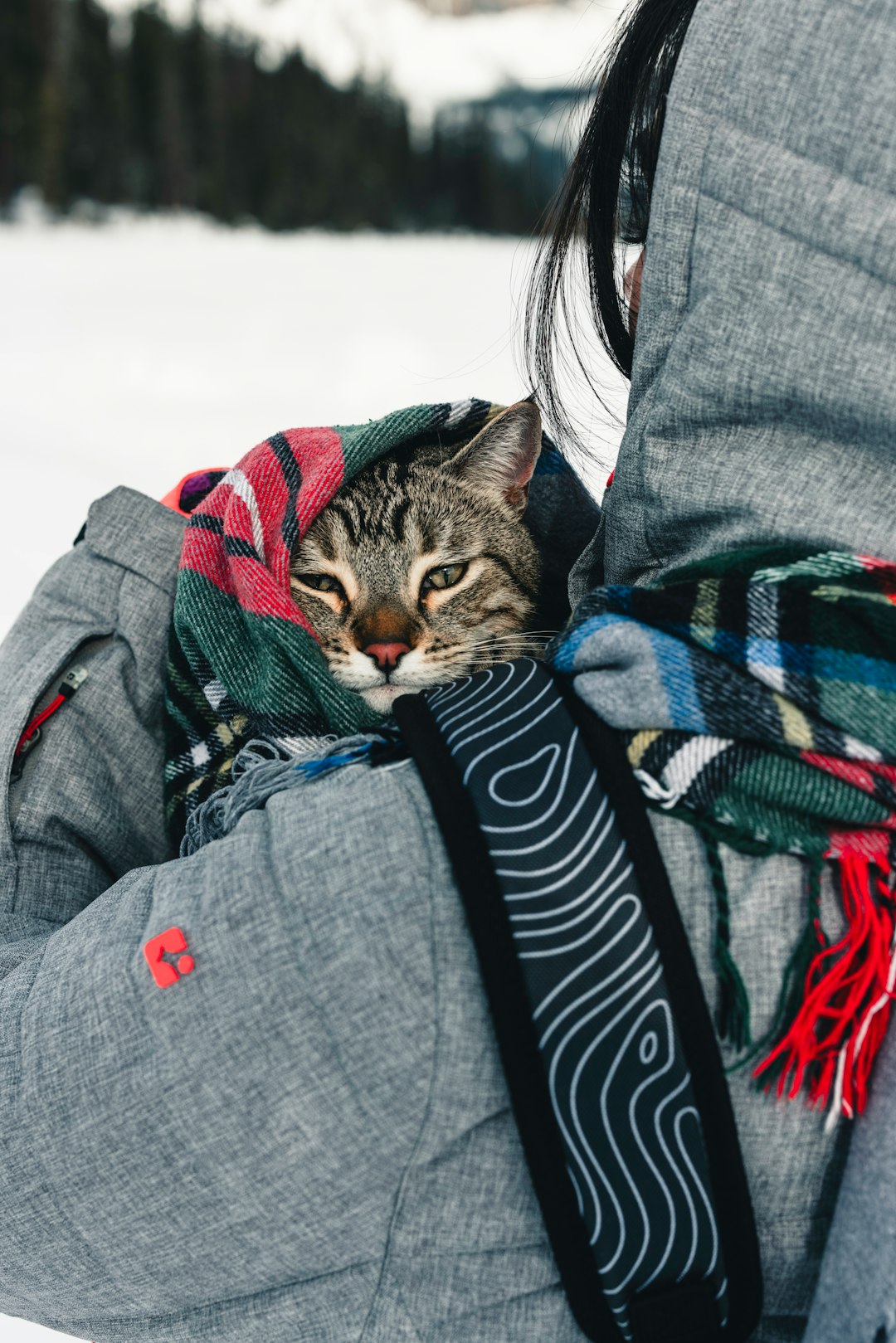
If you find your cat in freezing weather, act quickly. First, bring your cat indoors immediately. The warmth of your home is crucial for helping them recover from the cold. Check for signs of hypothermia like shivering, weakness, or pale gums. If your cat is wet, gently dry them with a towel. Wrapping them in a warm blanket can help raise their body temperature. Avoid using direct heat sources like heaters or hairdryers. They can cause burns or shock. Instead, use warm water bottles wrapped in towels to provide gentle warmth.
When To Contact A Vet
In some cases, at-home care may not be enough. If your cat shows severe signs of hypothermia like unresponsiveness or extreme lethargy, it's time to contact a vet. Even if symptoms seem mild, a vet visit can ensure there are no underlying issues. Cats may suffer from frostbite without obvious signs, and professional care can prevent long-term damage. You know your cat best. If something feels off, trust your instincts and seek veterinary advice. It's better to be safe and consult a professional than to risk your cat's health. Emergencies can catch anyone off guard. Are you prepared to act swiftly if your cat is ever exposed to freezing weather?
Long-term Care Considerations
Long-term care is essential for cats in cold climates. Cats need special attention to thrive in freezing weather. This means regular health checks and proper seasonal preparations. By understanding their needs, you ensure their safety and comfort.
Regular Health Checks
Regular health checks help monitor your cat's overall well-being. Visit the vet to catch any health issues early. Cold weather can cause joint pain or respiratory problems. Early detection helps manage these conditions effectively.
Ensure vaccinations are up-to-date for your cat's immunity. Cold weather can weaken their immune system. Discuss with your vet about any special winter care needs.
Seasonal Preparations
Preparing for the cold season is vital. Provide a warm shelter for your cat. Insulated cat houses protect them from harsh weather. Ensure the shelter is dry and free from drafts.
Feeding your cat a nutritious diet is also important. It helps maintain their energy levels. Consider increasing their food intake during winter.
Regularly check their water supply. Ensure it doesn't freeze. Hydration is key to their health.
Keep a close eye on your cat's behavior. If they seem unwell, consult a vet. Quick action can prevent serious issues.
Frequently Asked Questions
Can Cats Handle Cold Temperatures?
Cats can handle cold to some extent, but not freezing temperatures. Their fur provides some insulation. However, prolonged exposure to extreme cold can be dangerous. It's essential to provide shelter and warmth to keep them safe during colder months.
What Happens If A Cat Gets Too Cold?
If a cat gets too cold, it can suffer from hypothermia or frostbite. These conditions are serious and can be life-threatening. Symptoms include shivering, lethargy, and pale skin. Immediate veterinary attention is crucial to prevent further complications and ensure the cat's recovery.
How Can I Protect My Cat In Winter?
To protect your cat in winter, provide a warm shelter with blankets and insulation. Ensure it has access to fresh water and food. Limit outdoor exposure during freezing temperatures. Regularly check your cat for signs of cold-related issues to keep it safe.
Do Indoor Cats Need Winter Protection?
Indoor cats still need winter protection. Ensure your home is warm and draft-free. Provide cozy bedding and maintain a comfortable room temperature. Monitor your cat's behavior for any signs of discomfort to ensure its well-being during colder months.
Conclusion
Cats face danger in freezing weather. Cold temperatures can harm them. Shelter is crucial for their survival. Warm, dry places keep them safe. Food and water are also important. Ice can block water sources. Regular checks on outdoor cats help too.
Ensure they are inside during extreme cold. Proper care makes a difference. Protecting your cat ensures its safety. Stay alert during winter months. Always prioritize their well-being. Your cat depends on you.