You might be wondering if your furry friend can handle the scorching summer sun. As temperatures rise, so does the concern for your dog's well-being.
It's natural to worry about how they cope with the heat, and you want to ensure they stay safe and comfortable. But can dogs really survive hot weather without any issues? We'll uncover the truth behind your dog's ability to endure high temperatures, and reveal simple tips to keep your beloved pet cool and happy.
Don't leave it up to chance—read on to discover how you can be the hero your dog needs this summer!
Recognizing Heat Stress In Dogs
Understanding heat stress in dogs is crucial during hot weather. Dogs can easily become overheated, leading to serious health problems. As temperatures rise, it's vital to know the signs of heat stress. Spotting these signs early can prevent dangerous situations. Let's explore the symptoms and which breeds are most vulnerable.
Signs Of Overheating
Dogs pant more when they are hot. Excessive panting is a key sign. Look for drooling and dry gums. These indicate dehydration. Rapid heartbeat can also be a warning. Weakness and confusion may show heat stress. If your dog struggles to stand, act quickly.
Vomiting or diarrhea are serious signs. Watch for these symptoms. They need immediate attention. Avoid leaving dogs in hot cars. This can cause rapid overheating. Always provide fresh water to keep them cool.
Breeds Prone To Heat Stress
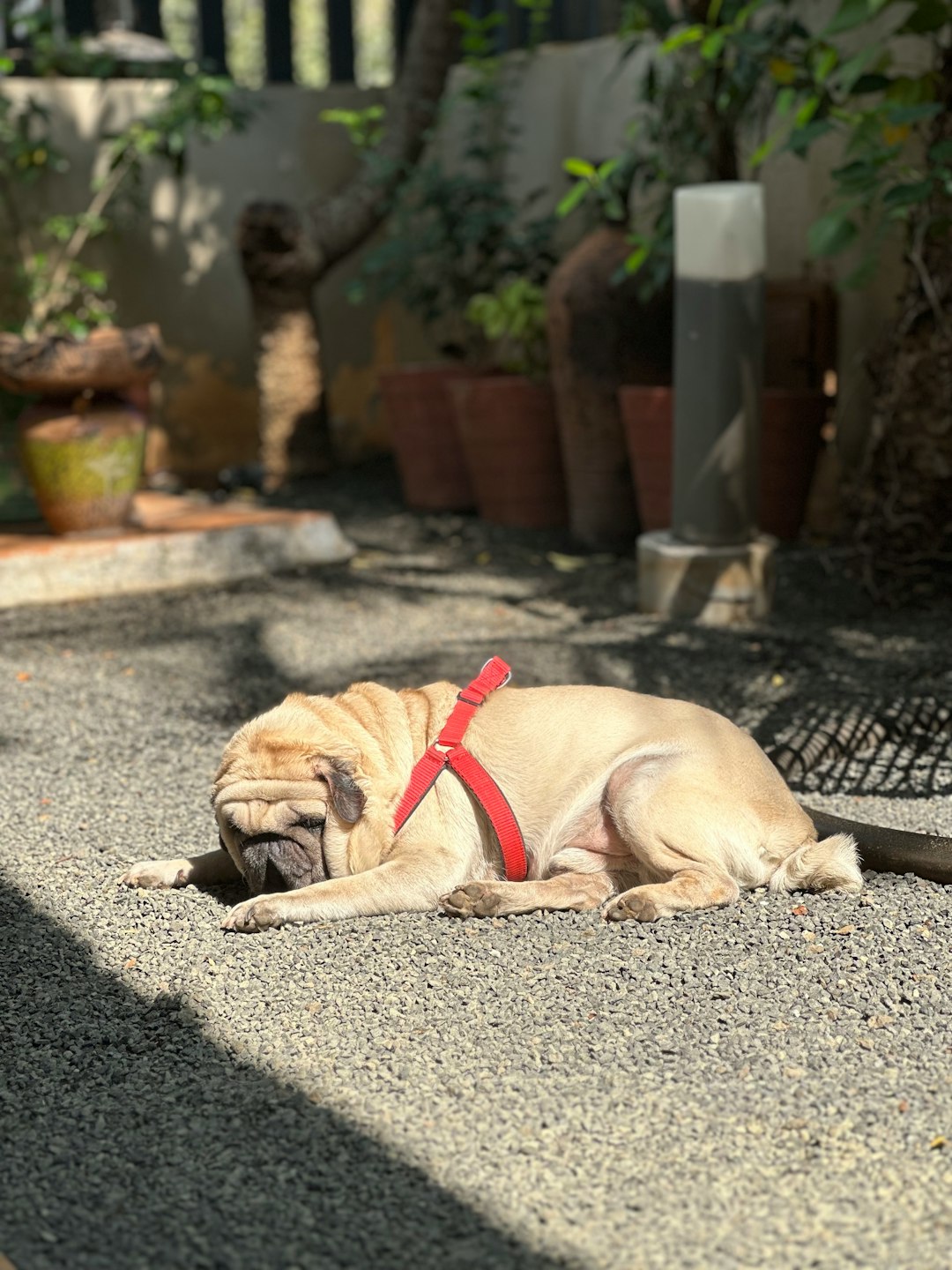
Some breeds are more susceptible to heat stress. Bulldogs and Pugs have short noses. This makes breathing difficult in heat. They often struggle to cool down. Boxers and Shih Tzus are also at risk. Thick-coated breeds like Huskies can overheat quickly.
Take extra care with these dogs. Limit their outdoor time during peak heat. Always monitor their behavior. Provide shade and water regularly. Knowing your breed's risk factors can help in preventing heat stress.
Safe Outdoor Activities
Hot weather can be tough for dogs. Choosing the right activities is key. Dogs love to play. They need exercise and fun, even in summer. Outdoor activities can be safe with proper care. Keep your furry friend cool and hydrated. Explore safe outdoor activities for dogs during hot weather.
Choosing The Right Time
The timing of outdoor activities matters. Early mornings are cooler. Late evenings are also cooler. Avoid midday heat. The sun can be harsh. Asphalt and pavements get hot. They can burn paws. Choose shady spots for walks. Trees provide shelter. Keep your dog safe from direct sunlight.
Water-based Activities
Water activities are refreshing. They keep dogs cool. Swimming is fun for dogs. Find a safe spot. Lakes or pools are good options. Use a life vest for safety. Many dogs love to splash around. Sprinklers and hoses are fun too. Set up a kiddie pool in your yard. Let your dog enjoy water play. Always supervise your pet. Make sure they stay hydrated.
Hydration Essentials
Hot weather can be tough on dogs. Ensuring they stay hydrated is crucial. Proper hydration helps maintain their health and energy levels. Without it, dogs can quickly become dehydrated. This can lead to serious health issues. Let's explore some hydration essentials.
Access To Fresh Water
Dogs need constant access to fresh, clean water. Place water bowls in shaded areas. This keeps the water cool and refreshing. Consider using a pet water fountain. They encourage dogs to drink more. Refill and clean bowls frequently to prevent bacteria buildup.
Signs Of Dehydration
Recognize early signs of dehydration in dogs. Dry gums and nose are warning signs. Lethargy and sunken eyes can indicate severe dehydration. Monitor your dog's skin elasticity. Pinch their skin gently; it should spring back quickly. If it doesn't, they might be dehydrated. Always consult a vet if unsure.
Creating A Cool Environment
Hot weather can be challenging for dogs. Creating a cool environment is essential for their well-being. Dogs struggle to regulate body temperature, unlike humans. Providing them with a comfortable, cool space is crucial. It helps prevent heat-related illnesses and discomfort.
Home Cooling Solutions
Consider using fans or air conditioning to keep indoor temperatures low. Place fans near your dog's resting area for maximum comfort. If air conditioning is unavailable, try cooling mats. These mats offer a cool surface for dogs to lie on. Keep windows shaded with curtains or blinds. This blocks direct sunlight and reduces heat.
Shaded Outdoor Spaces
Create shaded areas in your yard for your dog. Use umbrellas, canopies, or tarps to provide shade. Plant trees or tall shrubs for natural shade. Ensure the shaded area is well-ventilated. Avoid placing your dog in small, enclosed spaces. Keep water bowls in shaded areas to ensure cool drinking water. Regularly check outdoor surfaces for heat. Concrete and asphalt can become dangerously hot.
Protective Gear For Dogs
Hot weather can be harsh for dogs. They need special care to stay comfortable and safe. Protective gear can help them manage the heat better. This gear not only cools them down but also shields them from the sun. It ensures their paws remain unharmed on hot surfaces. Let's explore some effective protective gear for dogs.
Cooling Vests And Mats
Cooling vests can keep dogs cool during walks. These vests use special materials to lower body temperature. You soak them in water, wring out excess, and put them on your dog. They provide instant relief from heat. Cooling mats work similarly. Place them in your dog's favorite spots. These mats absorb body heat, keeping your dog cool and comfortable.
Paw Protection
Hot pavements can burn your dog's paws. Protect them with dog boots or paw wax. Dog boots offer a barrier between hot surfaces and paws. They fit snugly and are easy to put on. Paw wax creates a thin layer on the paw pads. It provides protection and prevents burns. Both options ensure your dog's paws remain safe during summer outings.
Dietary Adjustments
Dogs can handle hot weather better with the right diet. Fresh water and light meals help keep them cool. Avoid heavy foods to prevent overheating.
As the summer sun blazes, making smart dietary adjustments for your canine companion can help them thrive in hot weather. Dogs, much like humans, need changes in their diet to cope with higher temperatures. By focusing on what goes into their bowls, you can ensure they stay healthy and comfortable during the scorching months.
Light Summer Meals
During summer, lighter meals can be more suitable for your dog. Heavy, rich foods can make them feel sluggish and uncomfortable. Instead, offer meals that are easy to digest and packed with nutrients. Consider incorporating more fresh vegetables and lean proteins into your dog's diet. Chicken and fish are excellent sources of protein and are lighter on the stomach compared to red meats. My Labrador, Max, loves a meal of boiled chicken mixed with carrots and peas on hot days, and it keeps him energetic without feeling weighed down. Think about portion sizes too. Smaller, more frequent meals can help maintain energy levels without overwhelming your pet's digestive system. Have you noticed how your dog’s appetite changes with the seasons?
Foods To Avoid
Certain foods should be avoided during the hotter months. Fatty and greasy foods can lead to digestive issues and discomfort. It's best to steer clear of treats like bacon or sausages. Also, be cautious with salty snacks. Salt can cause dehydration, which is a significant concern in hot weather. Make sure your dog has plenty of fresh water available at all times. Avoid feeding your dog any food that can spoil quickly in the heat, like dairy products. Always check that their food is fresh and safe to consume. Have you ever considered how food safety changes with temperature? Keeping a close eye on what you offer can prevent unnecessary trips to the vet. By paying attention to these dietary adjustments, you can help your dog enjoy the summer as much as you do. How might you change your dog’s meals to better suit the season?
Emergency First Aid
Dogs face challenges in hot weather, needing cool spaces and water to prevent overheating. Panting and restlessness signal heat stress. Immediate action is crucial to prevent heatstroke.
Emergency First Aid Dogs love playing outside, but sweltering summer days can pose serious risks. If your furry friend shows signs of heat distress, knowing some emergency first aid techniques is crucial. Quick action can make all the difference in keeping your dog safe.
Cooling Down Techniques
Start by moving your dog to a cooler environment immediately. A shaded area or an air-conditioned room works best. Use a damp cloth to gently wipe your dog's fur. Focus on their belly, armpits, and paws. Offer your dog small sips of cool, not ice-cold, water. Too much at once can lead to vomiting. You can also use a fan to help dissipate heat from their body. Do you have a kiddie pool? Let your dog splash around to cool off.
When To Seek Veterinary Help
Sometimes, cooling techniques aren't enough. If your dog doesn't improve or if they show signs like vomiting, confusion, or heavy panting, seek veterinary help immediately. Rapid breathing and a glassy-eyed look can indicate severe heatstroke. Time is of the essence, so don't wait. Your vet can provide treatments that you can't administer at home. Ever had to rush your dog to the vet? You know that gut-wrenching feeling—you don’t want to take chances. Remember, knowing when to act and how can save your dog's life. Are you prepared for the next heatwave?
Traveling Safely In Heat
Dogs can handle hot weather, but they need help to stay cool. Fresh water and shade are vital. Walks should be during cooler times.
Traveling with your dog during hot weather can be a fun adventure, but it's crucial to ensure their safety and comfort. Heat can be dangerous for dogs, especially when traveling in confined spaces like cars or public transportation. Proper preparation and awareness can prevent heat-related issues and keep your furry friend happy and healthy on the road.
Car Travel Tips
When traveling by car, always ensure your dog has access to fresh water. Consider using a spill-proof bowl or a pet water bottle designed for travel. Never leave your dog alone in a parked car. Temperatures inside can rise quickly, even if the windows are cracked open. Plan regular breaks during long journeys. Let your dog stretch, hydrate, and cool down in a shaded area. Keep the car well-ventilated. Use air conditioning or open windows slightly to maintain airflow. A sunshade or a pet cooling pad can help keep your dog comfortable. These tools can reduce the risk of overheating during the trip.
Public Transportation Considerations
When using public transport, check the rules regarding pets. Some services may have restrictions or require specific carriers. Choose travel times wisely. Early mornings or late evenings are usually cooler and less crowded. Carry a portable fan or cooling vest for your dog. These can provide comfort during warmer periods of the journey. Ensure your dog's carrier is well-ventilated. A mesh or open-top design can help keep them cool and comfortable. Be mindful of crowded spaces. They can be overwhelming and hotter for your dog, increasing stress levels. Traveling in heat requires extra precautions, but with the right planning, you can ensure a safe and enjoyable journey for your dog. Have you considered how your pet's comfort affects your travel plans? Taking these steps can make all the difference in your shared adventures.
Frequently Asked Questions
Can Dogs Handle Hot Weather?
Dogs can manage heat, but precautions are necessary. Always provide fresh water and shade. Limit outdoor activities during peak sun hours. Some breeds are more heat-sensitive, requiring extra care. Regularly check for signs of overheating, such as excessive panting or drooling.
What Are Signs Of Heatstroke In Dogs?
Signs include heavy panting, drooling, lethargy, and vomiting. Dogs may also have red gums or a rapid heartbeat. If you notice these symptoms, immediately move your dog to a cooler place. Hydrate them and consult a vet promptly to ensure safety.
How Can I Cool My Dog Down?
Use cool water to wet your dog's fur. Offer small amounts of water to drink. Let them rest in a shaded or air-conditioned area. Cooling mats and ice packs can help, too. Avoid cold water baths as they can shock your dog’s system.
Should Dogs Avoid Hot Pavement?
Yes, hot pavement can burn your dog's paws. Test the surface with your hand; if it's too hot for you, it's too hot for your dog. Walk during cooler times, like early morning or evening. Protective booties can safeguard their paws from heat damage.
Conclusion
Dogs can handle hot weather with the right care. Provide them with fresh water. Shade is essential for their comfort. Walk dogs during cooler times. Morning or evening are best. Avoid hot pavements to protect their paws. Watch for signs of heat stress.
Panting and drooling are warning signs. Keep them cool indoors with fans. Cooling mats are a good option too. Always prioritize their safety in heat. Taking these steps helps dogs stay safe. Enjoy summer with your furry friend. Always be vigilant and caring.
Your dog's well-being depends on you. Stay informed and proactive.