Imagine a chilly winter evening. You're snug inside your warm home, sipping on your favorite hot beverage.
Suddenly, you hear a rustling noise coming from the walls. Could it be rats seeking refuge from the cold? As the temperatures drop, you might wonder how these resilient creatures manage to endure the harsh winter months. Do they have secret survival skills, or do they succumb to the freezing weather?
Understanding how rats navigate cold conditions can offer valuable insights into their behavior and help you protect your home from potential invasions. Dive into this fascinating topic and uncover the surprising truths about rats and their ability to withstand winter's icy grasp.
Rats And Their Natural Habitat
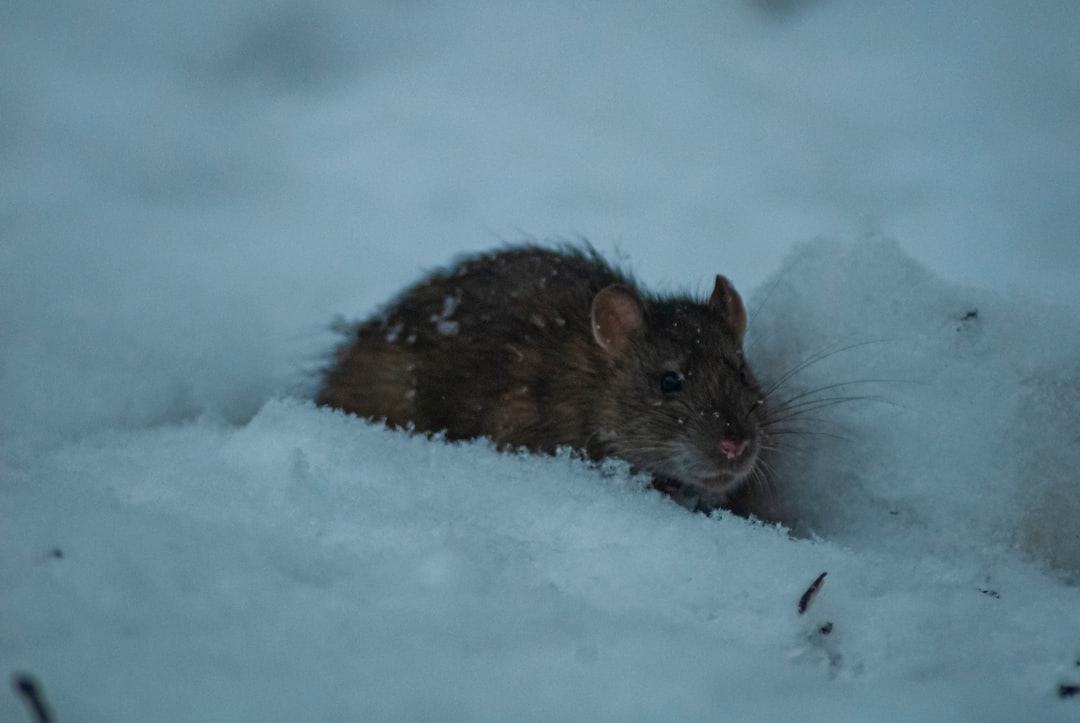
Rats adapt to cold weather by seeking warm shelters like burrows or human homes. Their thick fur and nesting habits help them survive chilly environments. These rodents are resourceful, finding food and warmth even in harsh conditions.
Rats thrive in diverse habitats worldwide. They adapt to different climates easily. Their natural habitat ranges from urban areas to rural settings. Many people find them in cities, forests, and fields. Their survival skills enable them to live in harsh conditions.
Common Environments
Rats often dwell in urban areas. They find shelter in buildings and sewers. Cities provide ample food and hiding places. In rural areas, they inhabit barns and fields. They can also live in forests and grasslands. These environments offer natural protection and food sources.
Adaptations For Survival
Rats possess remarkable survival adaptations. They have excellent burrowing skills. This helps them escape cold weather. Their fur provides insulation against the cold. Rats can also huddle for warmth. This behavior conserves body heat. They are opportunistic feeders, eating whatever is available. Their ability to gnaw helps them access food. They can chew through wood and plastic. This trait aids their survival in various habitats. Rats are nocturnal, avoiding predators during the day. Their keen senses detect danger quickly. These adaptations ensure their resilience in cold climates. `
Impact Of Cold Weather On Rats
Rats are resilient creatures. They thrive in various environments. But cold weather poses challenges. Cold impacts their survival and behavior. Understanding these impacts helps manage rat populations. Let's explore how cold weather affects rats.
Temperature Tolerance
Rats adapt to different temperatures. Cold weather tests their limits. Their bodies struggle below 30°F. They risk hypothermia in freezing temperatures. They seek warmth to survive. Their fur offers some insulation. But extreme cold overwhelms them. They need shelter from the elements.
Behavioral Changes
Cold weather alters rat behavior. They become less active in the cold. Energy conservation is crucial. They search for food less often. Nesting becomes a priority. They build warmer nests. They use leaves, paper, and fabric. These materials help retain heat.
Rats also seek indoor spaces. Buildings offer warmth and food. They squeeze through small openings. They hide in walls and attics. Human habitats become their refuge. This behavior increases in winter. Understanding these changes is vital. It helps manage rat infestations effectively.
Physical Adaptations For Cold
Rats are remarkably resilient creatures. They can adapt to harsh environments. Cold weather presents significant challenges. Yet, rats have developed survival strategies. Their physical adaptations are fascinating. These adaptations help them endure chilly climates.
Fur And Insulation
Rats possess thick fur. This fur acts as an insulator. It keeps them warm in low temperatures. The dense coat traps air. This air forms a protective barrier. It prevents heat loss from their bodies. Rats groom themselves often. Grooming maintains the fur's insulating ability.
Body Fat And Energy Conservation
Rats store body fat efficiently. This fat serves as an energy reserve. During colder months, energy demands increase. Body fat provides necessary fuel. It sustains them when food is scarce. Rats slow their metabolism in winter. This reduces energy consumption.
Rats' Strategies To Endure Winter
Rats are incredibly adaptable creatures. Their survival skills are impressive, especially during cold months. While many animals hibernate, rats remain active. They have developed strategies to cope with winter's harshness. These strategies involve finding shelter, adjusting their diet, and storing food efficiently. Understanding these tactics can provide insights into their resilience and adaptability.
Seeking Shelter
Rats seek warmth in winter. They find shelter in cozy, secluded places. Basements, attics, and wall cavities are popular choices. These areas provide safety from predators and the cold. Rats use shredded paper, fabric, and leaves to build nests. This insulation keeps them warm and comfortable. They often move into human structures for extra warmth. Ensuring all entry points are sealed can prevent infestations.
Food Storage And Diet Adjustments
Rats change their eating habits in winter. They become more resourceful in finding food. Storing food helps them survive when supplies are scarce. They collect nuts, seeds, and grains to eat later. Rats also adapt by eating less nutritious food during shortages. They have a diverse diet, which increases their survival chances. Understanding their food storage can help manage rat problems.
Rats In Urban Vs. Rural Settings
Rats are survivors, adapting to various environments. Both urban and rural settings offer unique challenges and opportunities for these resilient rodents. Each environment shapes their behavior and survival strategies differently. Understanding these differences helps us appreciate the adaptability of rats.
Differences In Survival Strategies
Urban rats often find warmth in buildings and sewers. These areas provide shelter from cold weather. They exploit human-made structures to stay warm. Rural rats, on the other hand, dig burrows underground. These burrows protect them from harsh temperatures. They rely on natural cover, like trees and shrubs, to survive.
Human Influence On Rat Behavior
In cities, human activity impacts rat behavior significantly. Rats in urban areas often scavenge food scraps. They benefit from the constant food supply humans provide. In rural settings, human influence is less direct. Rats might still find food near farms or waste sites. But they rely more on natural food sources like seeds and insects.
Survival Challenges
Rats are resilient creatures, but cold weather poses survival challenges. These rodents face various threats during winter. Their survival depends on overcoming these obstacles.
Predators And Threats
Cold weather forces rats to seek shelter indoors. This exposes them to household predators like cats. Outdoor predators, such as hawks, remain a constant threat. Rats must stay alert to evade these dangers.
Disease And Health Issues
Winter brings health challenges for rats. Low temperatures can weaken their immune system. This makes them susceptible to diseases. Damp conditions can lead to respiratory problems. Rats must find dry, warm places to stay healthy.
Human Interaction And Control Measures
Rats have a surprising ability to endure cold weather, thanks to their adaptable nature. They seek warm shelters, often inside homes, to survive harsh conditions. Effective control measures include sealing entry points and maintaining cleanliness to deter these resilient rodents.
Rats often seek warmth during cold weather. This brings them closer to humans. As temperatures drop, rats invade homes and buildings for shelter. They find food and warmth in human spaces. This closeness increases the chance of disease spread. Effective control measures become crucial for safety. Understanding rat behavior helps in managing their populations. It also ensures our health and homes remain protected.
Impact On Rat Populations
Cold weather affects rat populations in various ways. Some rats may die due to extreme cold. But many survive by moving indoors. Warm houses and buildings provide a safe haven. This results in an increase in indoor rat populations. Rat infestations become more common during winter. They can quickly multiply if not managed. These growing populations pose a threat to health and hygiene.
Effective Management Techniques
Successful rat control requires a mix of strategies. Seal entry points to prevent rats from entering. Keep food in sealed containers to reduce attraction. Regularly clean and declutter areas to remove hiding spots. Use traps and baits to capture and reduce numbers. Sometimes, professional pest control services are necessary. They provide expert solutions for severe infestations. Continuous monitoring ensures these measures remain effective. `
Frequently Asked Questions
Can Rats Survive Freezing Temperatures?
Rats can endure cold temperatures but struggle in extreme cold. They seek warmth in sheltered areas and burrow for insulation. Their fur offers some protection, but severe cold can be harmful. Ensuring access to food and shelter helps rats survive colder weather.
How Do Rats Stay Warm In Winter?
Rats generate heat through metabolism and seek warm shelters. They often burrow or nest in insulated spaces. Additionally, they huddle together for warmth. Access to sufficient food is crucial for maintaining energy levels to stay warm.
Do Rats Hibernate In Cold Weather?
Rats do not hibernate in winter. Instead, they remain active and seek food and shelter. They adapt to colder conditions by burrowing or nesting indoors. Their survival depends on finding warm, safe places and maintaining a steady food supply.
Are Rats More Active In Winter?
Rats may become more active indoors during winter. They seek warmth and food, leading to increased indoor activity. Outdoor activity might decrease due to harsh weather conditions. Ensuring homes are sealed can prevent infestations during colder months.
Conclusion
Rats are resilient creatures. They adapt well to cold weather. Their thick fur provides warmth. Nests in cozy spots offer shelter. Rats seek food to generate body heat. Survival instincts keep them alive. Proper hiding places are vital. Urban areas often provide better shelter.
Cold weather doesn’t always mean danger. Rats have impressive survival skills. Yet, extreme cold can still harm them. Understanding their needs helps manage infestations. Stay informed about rat behaviors in winter. This ensures a safe environment for all.