Imagine being stranded in the wild, where your survival depends on your resourcefulness. One of the most crucial skills you'll need is making your own clothes.
In the world of Survival Craft, mastering this skill can mean the difference between comfort and catastrophe. You're not just crafting for warmth, but for protection against the elements. Have you ever wondered how you would manage in such a situation?
This guide will walk you through the essential steps to make clothes in Survival Craft, ensuring that you're well-equipped to handle whatever the wilderness throws your way. Discover the secrets to transforming raw materials into lifesaving garments and feel the rush of self-sufficiency as you learn to craft your own survival wardrobe. Let's dive in, and unlock the survivalist within you!
Gathering Natural Resources
Survival Craft challenges players to create clothes using natural resources. Gathering the right materials is crucial. It requires both skill and patience. Knowing where to find these resources is a key part of the adventure.
Finding Suitable Materials
Start by exploring your surroundings. Look for areas rich in resources. Forests and plains are often abundant in materials. Look for fibers and animal hides. These are essential for making clothes. Scan the area carefully. Collect any suitable materials you find.
Harvesting Plants And Animal Products
Plants offer fibers crucial for crafting clothes. Focus on harvesting cotton and flax. These plants are common in many environments. Gather as much as possible. Animal products are also useful. Hunt animals for their hides. Hides provide warmth and durability. Use them for crafting protective clothing. Process materials efficiently. This ensures you have enough for all your needs.
Basic Tools And Equipment
Survival Craft challenges players to create clothing with limited resources. Understanding basic tools and equipment is essential. These tools help you transform raw materials into wearable items. You need to know how to craft tools and improvise sewing implements. This knowledge can be a lifeline in the wilderness.
Crafting Tools From Available Resources
Start by collecting natural materials. Stones, sticks, and bones are useful. Stones can be sharpened into blades. Sticks make sturdy handles. Bones can be shaped as needles. Combine these to create basic cutting tools. Sharp tools are vital for cutting fabrics or leather.
Use plant fibers for binding. They can secure tool parts together. Create a simple axe with a sharp stone and a stick. This axe can help gather more resources. An improvised knife can cut fabric or skin animals. These crafted tools are the foundation for clothing creation.
Improvising Sewing Implements
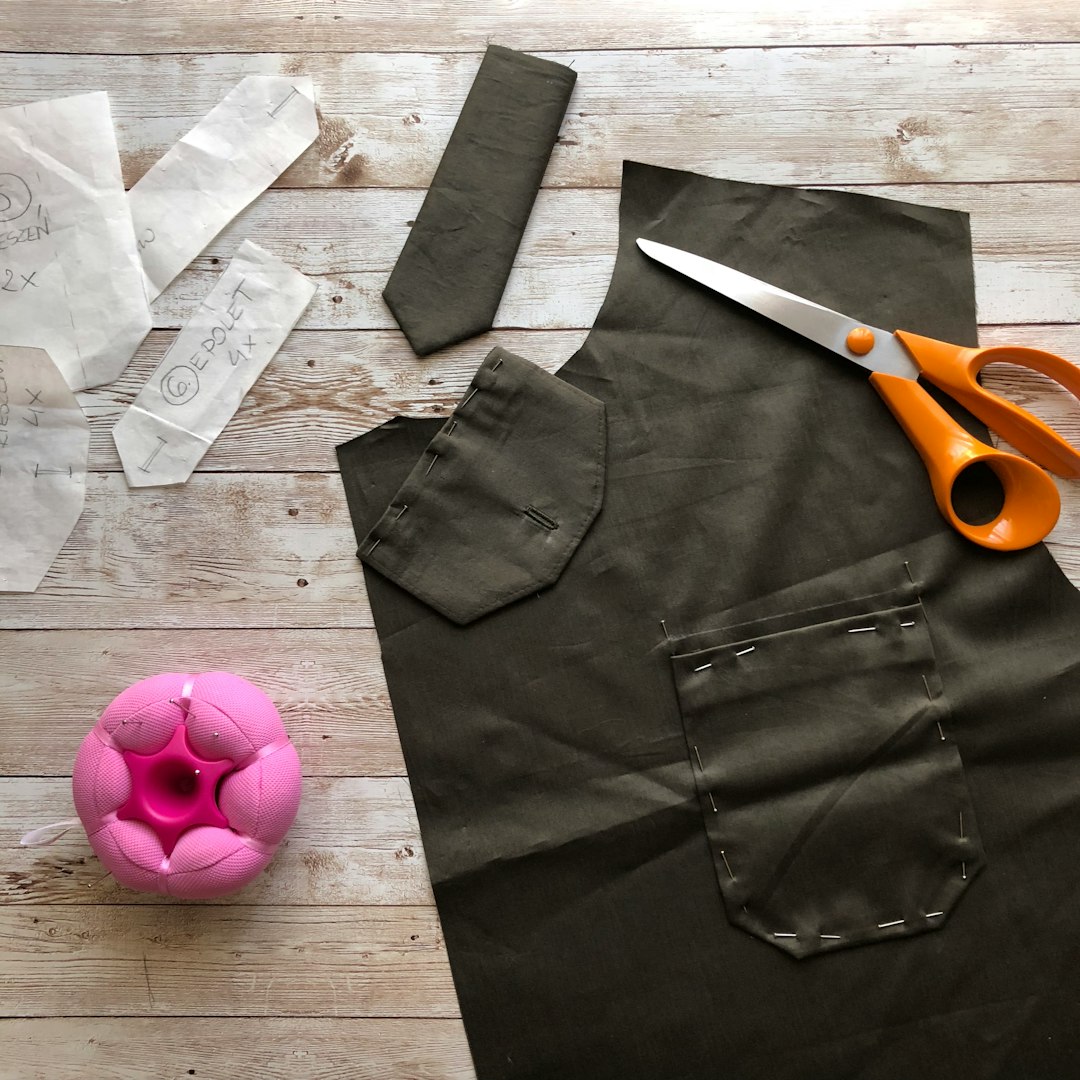
Sewing is crucial for making clothes. Use bone or wood needles for stitching. Bone needles are sharp and durable. Wood needles work in a pinch. Thread can be made from plant fibers. Animal sinew can also be used for strong thread.
A simple sewing kit can be assembled. Gather needles, thread, and scraps of fabric. Use this kit to repair or create clothing. Sewing skills are invaluable in survival scenarios. Clothes provide protection and warmth. Improvised sewing tools make this possible.
Creating Simple Patterns
Crafting clothes in Survival Craft involves creating simple patterns using basic materials. Start by gathering resources like leaves or animal skins. Then, weave or stitch them together to form garments. This process ensures warmth and protection in the wild. It's a crucial skill for survival.
Creating simple patterns in Survival Craft can be a rewarding and essential skill. It allows you to make clothes that suit your needs and protect you from the elements. Whether you're crafting a basic tunic or a pair of rugged pants, the key is to focus on functionality and adaptability. Let's dive into how you can design clothing that serves your survival needs effectively.
Designing Functional Clothing
Functional clothing starts with understanding your environment. Do you need pockets for tools? Is mobility a priority? Imagine finding yourself in a dense forest. You realize you need clothing that allows easy movement and provides protection from thorny bushes. You decide to add reinforced knee patches to your pants. Think about what features will make your clothes more useful. Consider adding a hood for rain protection or extra padding for warmth. Make choices that enhance your survival experience.
Adapting To Weather Conditions
Weather can change rapidly. Your clothing should adapt accordingly. Have you ever been caught in a sudden downpour without a waterproof layer? You learn quickly that water-resistant fabric is invaluable. Consider sewing seams tightly to prevent water seepage. If you're in a hot climate, choose breathable materials to keep cool. Ask yourself, how can your clothes protect you from extreme temperatures? Adaptability is crucial for comfort and safety in survival situations. Creating simple patterns isn't just about aesthetics; it's about making practical choices. How will you tailor your clothing to meet your survival needs?
Techniques For Stitching
When surviving in the wild, making your own clothes is crucial. You need to know the techniques for stitching to create garments that last. Stitching ensures that pieces of fabric stay together. It also adds strength to the clothing. Let's explore some essential techniques for stitching in survival situations.
Hand Sewing Basics
Hand sewing is a skill every survivor should master. It requires simple tools like a needle and thread. Start by threading the needle with a strong thread. Tie a knot at the end to secure it. Use a basic running stitch to join pieces of fabric. This stitch involves passing the needle in and out of the fabric. Keep stitches small and even. This ensures a neat and durable seam. Practice often to improve your hand sewing skills.
Alternative Fastening Methods
Sometimes, you may lack a needle or thread. In such cases, alternative fastening methods can help. Use natural resources like vines or thin strips of bark. These can bind fabrics together. You can also use sharp objects to create holes in fabric. Then, weave through the holes with plant fibers. Another method is twisting fibers to form a cord. Use this cord to tie pieces of fabric. These methods may not be as strong as stitching, but they work in emergencies.
Maintaining And Repairing
Create clothes in Survival Craft by gathering essential materials like leather and string. Use your crafting table to combine these resources. Keep materials ready for quick repairs to extend clothing durability.
Maintaining and repairing your clothes in Survival Craft is essential for your survival. As you navigate through this challenging environment, your clothing will inevitably face wear and tear. Learning how to properly maintain and repair your clothes can make a significant difference in your ability to stay protected and comfortable. Let's dive into practical strategies that ensure your garments stand the test of time.
Fixing Wear And Tear
Even the toughest outfits can fray and tear under the harsh conditions of Survival Craft. Don't let a small hole turn into a big problem. Use materials you gather, like plant fibers or leather, to patch up minor rips and tears. Needles and threads made from bone or plant fibers are invaluable tools. Keep a small sewing kit ready for on-the-go repairs. This simple habit can save you from unexpected vulnerabilities during critical moments. Think about your clothes as an extension of your survival gear. Would you neglect your tools or weapons? Treat your clothing with the same importance, and it will serve you well.
Extending Clothing Lifespan
Prolonging the life of your garments means understanding their limits and taking preventive measures. Avoid exposing your clothes to unnecessary stress, such as sharp objects or extreme weather conditions. Regularly clean your clothes to prevent dirt and grime from weakening the fabric. Use natural resources like water bodies or collected rainwater for washing, and let them dry thoroughly before storing. Consider rotating your outfits if you have more than one set. This simple strategy can give your clothes the much-needed break and reduce continuous strain on a single piece. Ask yourself: Are you treating your survival attire as a disposable item or an asset? Your answer might change how you approach clothing maintenance.
Innovative Uses For Clothing
In the unpredictable world of survival craft, clothing is not just about fashion or comfort. It's a versatile tool that can serve multiple purposes beyond its conventional use. Imagine being stranded in the wilderness; your clothes can become your lifeline. This section highlights some innovative uses for clothing that can enhance your survival chances.
Utilizing Clothing For Shelter
When nature turns hostile, your clothing can be your first line of defense against the elements. Picture this: a sudden storm hits, and you need immediate shelter. Your jacket or shirt can be turned into a makeshift tent or tarp, providing protection from rain and wind.
Place your clothing over branches or rocks to create a simple shelter. Don't underestimate the warmth and protection it can offer during harsh weather. Have you ever thought of using your scarf or belt as ties to secure your shelter? It’s these innovative ideas that might keep you dry and safe.
Crafting Accessories For Survival
Accessories made from clothing can be surprisingly useful. You might need a rope, but where do you find one? A torn shirt or pants can be twisted into a sturdy rope. Use it to climb, tie things together, or even as a fishing line.
Imagine needing to signal for help. Brightly colored clothing can be used as flags or markers. Wrap strips around branches to create signals visible from afar. Have you ever considered using your clothes as a way to communicate with rescuers?
Clothing in survival craft isn't just about keeping warm or dry. It's about using every resource at your disposal creatively. Next time you pack for an adventure, think beyond the basics. What innovative uses can you discover in your clothes to aid your survival?
Frequently Asked Questions
How Do You Gather Materials For Clothes?
In Survival Craft, gather materials like wool and leather from animals. Plant fibers can also be used. Use tools like shears for wool and a knife for leather. Crafting requires a crafting table. Always ensure you have enough inventory space.
These materials are essential for crafting various clothing items.
What Tools Are Needed To Craft Clothes?
To craft clothes in Survival Craft, you'll need a crafting table. This tool allows you to combine materials. Tools like shears help in gathering wool. A knife is essential for leather. Ensure you have these tools in your inventory. They are crucial for successful clothing creation.
How Do You Craft Basic Clothing Items?
To craft basic clothing, gather materials like wool or leather. Use the crafting table to combine them. Follow specific recipes to create items like shirts or pants. Ensure you have all necessary materials. Crafting basic clothes is essential for protection and survival in harsh environments.
Why Is Clothing Important In Survival Craft?
Clothing in Survival Craft provides protection against environmental hazards. It helps regulate body temperature, preventing overheating or hypothermia. Proper attire can also offer minor defense against attacks. It enhances your survival chances. Always prioritize crafting clothes to improve your character's resilience and survival odds.
Conclusion
Creating clothes in Survival Craft adds fun to the game. It's a vital skill for protection and warmth. Start with basic materials and learn crafting recipes. Gather resources like cotton and leather. Experiment with different crafting options. Making clothes enhances your survival experience.
It provides extra layers of security. So, dive into crafting and explore new possibilities. Each creation brings satisfaction and readiness. With practice, crafting becomes second nature. It's all about survival and creativity combined. Enjoy the process and stay prepared in your adventure.
Happy crafting and surviving!