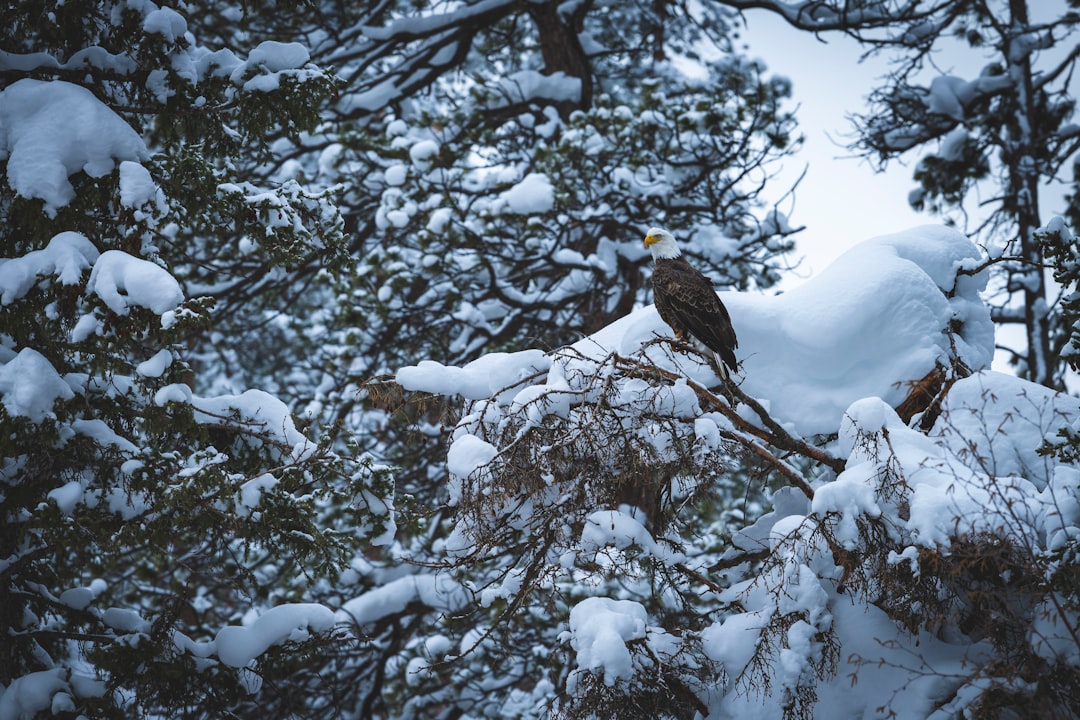
Have you ever wondered how eagles, those majestic rulers of the sky, handle the biting chill of winter? You might think their grand, sweeping flights and keen eyesight are their only assets, but these birds have fascinating strategies for surviving in the cold.
Imagine soaring high with them, feeling the icy wind beneath their wings, and discovering the secrets that keep them alive and thriving even in the harshest conditions. As you delve deeper into this article, you'll uncover the incredible adaptations and behaviors that allow eagles to endure the frosty months.
You'll gain insights into the resilience and intelligence of these magnificent creatures, which are not only awe-inspiring but can also teach us valuable lessons about survival and adaptation. So, are you ready to unravel the mysteries of how eagles brave the cold? Keep reading, and you'll find yourself captivated by their remarkable story.
Eagles And Cold Weather Adaptations
Eagles are magnificent birds known for their strength and agility. Surviving cold weather requires special adaptations. These adaptations help eagles maintain their body temperature and continue hunting.
Eagles' Feathers: A Warm Coat
Eagles have dense feathers for insulation. These feathers trap air close to their bodies. This trapped air keeps them warm during chilly days. Their outer feathers repel water and snow. This prevents moisture from reaching their skin.
Behavioral Adaptations In Cold Weather
Eagles change their behavior in winter. They often seek sheltered areas. These areas block wind and provide warmth. Eagles also bask in the sun to absorb heat. They spread their wings to catch sunlight on cold days.
Increased Food Intake During Winter
Eagles eat more during colder months. Extra food provides energy to stay warm. They hunt for larger prey to meet their needs. This helps them endure harsh weather conditions.
Migration Patterns Of Some Eagles
Some eagle species migrate to warmer areas. Migration helps them escape severe cold. Not all eagles migrate, though. Some stay and adapt to the winter climate.
Physical Adaptations: Eagles' Strong Talons
Strong talons help eagles catch prey even in snow. They grip slippery surfaces with ease. This ability ensures they can hunt effectively despite weather challenges.
Common Myths About Eagles In Winter
Many people hold misconceptions about eagles in winter. These majestic birds are often misunderstood when it comes to their cold weather habits. Do eagles hibernate or migrate to avoid freezing temperatures? Let’s debunk some myths.
Myth: Eagles Hibernate
Some believe eagles hibernate during winter. This is not true. Eagles are active throughout the cold months. They continue hunting and soaring through the sky. Their feathers provide excellent insulation against the cold. Eagles have a high metabolism to keep them warm. They do not need to hibernate.
Myth: Eagles Migrate To Avoid Cold
Many think eagles migrate south in winter. Not all eagles migrate. Some stay in their northern habitats. They adapt to the changing seasons. Eagles can find food even in snowy conditions. They have strong wings to navigate harsh weather. Migration depends on food availability, not just cold. Some eagles choose to stay and brave the winter.
Biological Adaptations To Cold
Eagles are majestic creatures renowned for their survival skills. They thrive in diverse climates, including cold regions. Their ability to withstand freezing temperatures is remarkable. This resilience is due to several biological adaptations. These adaptations help them maintain body warmth and energy levels.
Feather Insulation
Eagles have a layer of dense feathers. These feathers trap air, providing insulation. This trapped air acts as a barrier against the cold. Their outer feathers are waterproof. This prevents moisture from reaching their skin. A dry body stays warmer longer.
Metabolic Adjustments
Eagles adjust their metabolism during cold weather. Their bodies burn more calories to produce heat. This process is known as thermogenesis. It ensures they maintain a stable body temperature. Eagles also increase their food intake in winter. More food means more energy for heat production.
Behavioral Strategies For Survival
Eagles adapt well to cold weather with smart behavioral strategies. They seek sheltered areas and fluff their feathers for warmth. Hunting techniques change, focusing on easily accessible prey to conserve energy.
Surviving cold weather is no easy feat, yet eagles, with their majestic wings and keen eyes, manage to thrive even in the harshest conditions. Their resilience is largely due to their clever behavioral strategies that ensure they can hunt, feed, and find shelter efficiently. Understanding these strategies not only highlights the adaptability of eagles but also offers an inspiring look at nature's ingenuity.
Hunting And Feeding Patterns
Eagles adjust their hunting methods based on the season. During winter, when prey is scarce, they expand their territories and fly longer distances. This increases their chances of finding food. They also shift their hunting times. Eagles often hunt during the warmer parts of the day. This is when prey is more active and easier to spot. Have you ever thought about how an eagle decides when to fly or rest? Their keen instincts guide them to conserve energy on colder days. By minimizing unnecessary flights, they reserve their energy for essential hunts.
Shelter And Roosting Habits
Finding the right roosting spot is crucial for eagles during cold nights. Eagles prefer large, sturdy trees that offer protection from harsh winds. These natural shelters help them maintain body warmth. Roosting together in groups is another tactic. When eagles gather in numbers, they share body heat. This communal roosting provides an extra layer of warmth, crucial for survival in freezing temperatures. You might wonder if eagles have favorite spots. They do! Eagles often return to the same roosting sites year after year. This familiarity ensures they know the safest and warmest places to rest. Next time you see an eagle perched majestically, remember the strategic planning behind its survival. Consider how you, too, can adapt and thrive in challenging conditions. What strategies can you incorporate from nature into your own life?
Eagle Species And Regional Variations
Eagles are majestic birds with diverse species worldwide. They adapt to different regions and climates. Understanding their adaptations helps in learning about their survival. Regional variations influence their cold weather resilience. Each species has unique traits suited to their environment. Let's explore how two major eagle species manage in cold weather.
Bald Eagles In North America
Bald Eagles thrive across North America. They are often seen near large bodies of water. These eagles have a thick layer of feathers. This layer provides excellent insulation against cold temperatures. During winter, Bald Eagles migrate to warmer regions. But some stay in the northern areas. Their strong talons help them hunt, even in snow. They can catch fish through ice-crusted waters. Their keen eyesight aids them in spotting prey from afar.
Golden Eagles In Eurasia
Golden Eagles are widespread across Eurasia. They inhabit mountainous and open landscapes. Their broad wings allow them to soar effortlessly. Golden Eagles have dense plumage, protecting them from harsh winds. They often hunt mammals like rabbits and hares. Snow-covered terrains do not deter them. They use their powerful beaks to break through ice. This enables them to access hidden prey. Their adaptability to various climates ensures their survival.
Impact Of Climate Change On Eagles
Eagles, majestic birds of prey, are facing new challenges due to climate change. These changes affect their survival, especially in colder climates. Understanding these impacts is crucial for their conservation.
Changing Habitats
Climate change is altering the habitats where eagles thrive. Rising temperatures melt ice and affect vegetation. This disrupts the availability of food sources for eagles. As habitats change, eagles must adapt or move. Some may find new areas unsuitable for nesting. This threatens their ability to reproduce and grow their populations.
Altered Migration Patterns
Eagles rely on instinct for migration. Climate change is altering these patterns. Warmer temperatures cause shifts in migration timing. Eagles may arrive too early or late in their destinations. This can lead to scarcity of food and resources. Unpredictable weather patterns also add risk to their journeys. These changes can lead to increased mortality rates during migration.
Frequently Asked Questions
How Do Eagles Stay Warm In Winter?
Eagles stay warm in winter using their thick feathers. These feathers provide excellent insulation against cold weather. Additionally, they generate body heat by shivering. Eagles also seek sheltered areas to protect themselves from harsh winds and extreme temperatures. Their ability to adapt helps them survive in cold conditions effectively.
Can Eagles Find Food In Cold Weather?
Yes, eagles can find food even in cold weather. They are skilled hunters and can catch fish through ice holes. Eagles also scavenge for carrion during winter months. Their keen eyesight helps them spot prey from a distance, ensuring they find enough food to survive.
Do Eagles Migrate To Avoid Cold Climates?
Some eagles migrate to avoid cold climates, but not all. Species like the bald eagle may migrate to find food. However, others, like the golden eagle, can withstand cold temperatures. Migration depends on food availability and the specific eagle species.
Their adaptability ensures survival in diverse environments.
What Challenges Do Eagles Face In Winter?
In winter, eagles face challenges like food scarcity and harsh weather. Cold temperatures can make hunting difficult. Frozen water bodies limit access to fish, a primary food source. Eagles must conserve energy and find alternative food sources. Despite these challenges, their resilience helps them thrive.
Conclusion
Eagles display remarkable resilience in cold weather. Their feathers provide excellent insulation. These majestic birds adapt well to harsh conditions. They find food even in snowy landscapes. Eagles build strong nests to protect against cold winds. Their keen eyesight helps them hunt in winter months.
Survival skills are vital for their winter endurance. Eagles remain symbols of strength and freedom. Nature equips them to thrive despite challenges. Watching them soar inspires awe and respect. Cold weather tests them, but they endure. Eagles truly are winter survivors.