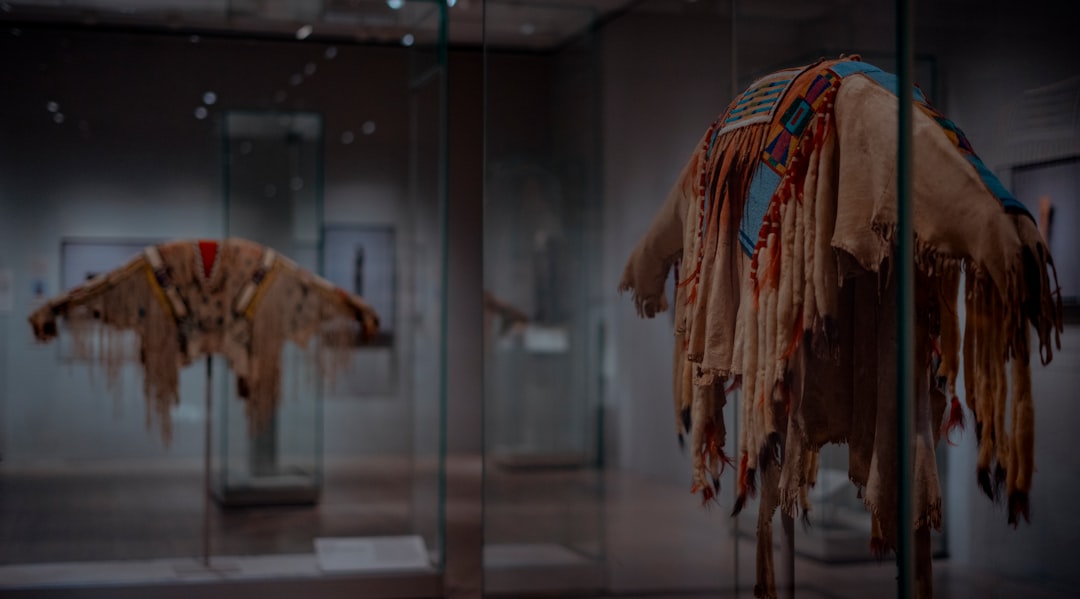
Imagine stepping into a world where clothes don't exist. It's a strange thought, isn't it?
Clothes are so much a part of your daily life that it's hard to picture a time without them. Yet, humans once roamed the Earth without a stitch of fabric. How did they manage to survive in harsh climates, protect themselves, and maintain their modesty?
The answers are not only fascinating but also reveal a lot about human evolution and ingenuity. As you delve into this intriguing history, you'll discover the unexpected ways our ancestors adapted to their environment. So, if you're curious about your past and the clever survival tricks of early humans, keep reading. This journey into the ancient world of survival will give you a fresh perspective on how far humanity has come.
Early Human Adaptations
Early human adaptations reveal a fascinating story of survival. Before the invention of clothes, our ancestors navigated harsh environments relying on their bodies and nature's gifts. This era was defined by ingenuity and resilience, where every adaptation was crucial for survival. Imagine living in the wild without any fabric to shield you from the elements. How did early humans thrive? Let’s delve into their natural survival tactics.
Body Hair And Its Role
Body hair played a crucial role in early human survival. It served as a protective layer, keeping warmth in during cold weather and offering some defense against the sun's rays. This natural insulation was essential in a world where temperatures could vary drastically. Today, you might appreciate a warm sweater, but back then, your body hair was your best ally. Consider how your own body hair still offers some level of protection. Although less pronounced now, it’s a reminder of your ancestors' adaptation skills.
Natural Oils For Skin Protection
The skin's natural oils were another vital adaptation. These oils helped maintain skin moisture and provided a barrier against the environment. Imagine living in a place with frequent exposure to wind, rain, and sun—your skin's oils were your frontline defense. Even today, you rely on lotions and creams to mimic what your body naturally produced. Reflect on how these oils were once the difference between thriving or struggling to survive. Are you aware of how your skin feels when it lacks moisture?
Early humans demonstrated remarkable resilience and adaptability. Understanding these adaptations gives insight into the resourcefulness inherent in human nature. It’s a testament to the ability to survive against odds and thrive in diverse environments. Would you have been able to endure in such conditions relying solely on natural defenses?
Environmental Strategies
Ancient humans adapted to harsh climates by using natural shelters and fire for warmth. Animal skins and plant materials offered protection before clothes existed. Their survival relied on creativity and resourcefulness in using the environment.
Before humans donned clothes, they relied on environmental strategies to survive various climates and terrains. Through intelligent adaptation, early humans found ways to thrive without modern apparel. These strategies involved clever use of their surroundings, ensuring they stayed protected and comfortable. Let's delve into how migration patterns and the use of natural shelters played a crucial role in their survival.
Migration Patterns
Early humans were masters of movement. They didn't stay in one place for long, constantly seeking areas with favorable climates. As seasons changed, so did their locations. Imagine, if you were faced with an unbearable cold, you'd likely move to a warmer region. That's exactly what they did. This adaptive migration ensured they avoided extreme weather and found resources for survival. Have you ever thought about the animals in your neighborhood that migrate seasonally? Early humans mimicked such patterns, following food sources and avoiding harsh conditions. This strategic movement was essential for their survival.
Use Of Natural Shelters
Without clothes, finding shelter was imperative. Early humans took advantage of natural formations like caves, dense forests, and rock overhangs. These structures provided insulation from the elements and were crucial for safety. Consider how you might seek refuge from a sudden downpour under a bridge or tree. Similarly, these shelters offered protection from wind, rain, and predators. They were the original homes before huts and houses came into existence. Building a fire in these natural shelters added warmth and comfort. Could you imagine the sense of security a glowing fire must have provided in the midst of a cold night? The strategic use of natural shelters was not just practical, but essential for survival. Reflecting on these strategies, it's fascinating to see how humans have always been resourceful. What environmental strategies do you think we could learn from these ancient practices today?
Cultural Practices
Before the advent of clothing, cultural practices played a pivotal role in how humans adapted to their environment and expressed themselves. These practices were not just about survival; they were also about identity, community, and communication. Imagine living in a world where the colors and materials from nature were your only wardrobe choices. How would you use them to define who you are and where you belong?
Decorative Body Paints
One of the most fascinating cultural practices was the use of decorative body paints. Paints made from natural pigments like clay, charcoal, and minerals were used to signify status, tribal affiliation, or readiness for battle. You might find it intriguing that these paints were not just for aesthetics but also provided a layer of protection against harsh weather or insects.
Think of a time when you've used sunscreen or bug repellent. These paints served a similar purpose for early humans. They could be a form of communication, telling others about your experiences or emotions. Would you wear your story on your skin?
Use Of Natural Materials
Humans utilized natural materials to adorn themselves long before textiles were invented. Leaves, feathers, and animal skins were common choices. You might be surprised to learn that these materials were often fashioned into accessories or temporary coverings to enhance comfort or signify cultural beliefs.
Consider how you might use a simple leaf or feather. Early humans transformed such materials into symbols of beauty and survival. These choices made them resourceful, adapting to their surroundings with creativity and practicality. How might you creatively use what's around you to express your identity?
These cultural practices highlight the ingenuity and adaptability of early humans. They remind us that survival is not just about protection but also about expression and connection. As you ponder these practices, think about how you use your clothes today to communicate who you are. Would you be able to express yourself if your wardrobe was limited to nature's offerings?
Dietary Contributions
Before clothes, humans relied heavily on their diet for survival. Food did more than just provide energy. It played a crucial role in keeping early humans warm. The nutrients they consumed helped them adapt to harsh environments. Their diet had a significant impact on their ability to withstand cold conditions.
Nutrient-rich Diets
Early humans had access to nutrient-rich foods. They ate a variety of meats, plants, and nuts. These foods were packed with essential vitamins and minerals. Meat provided protein and fat, essential for energy and warmth. Plants and nuts offered additional nutrients and fiber.
Their diets were balanced and varied. This helped them maintain strong immune systems. A strong immune system was vital for surviving harsh climates. Nutrient-rich diets supported overall health and well-being.
Impact On Body Insulation
The foods they ate also affected body insulation. Fat from animal sources was especially important. It provided an extra layer of warmth against the cold. Body fat acted as natural insulation, similar to a warm blanket.
Consuming enough calories was crucial. Caloric intake ensured they maintained necessary body fat. This fat helped them stay warm in frigid temperatures. The right diet was key to their survival. It helped them thrive in environments without clothing.
Social Cooperation
Before the invention of clothes, humans relied heavily on social cooperation. This cooperation was essential for survival. People worked together, shared resources, and lived in communities. This unity helped them face harsh environments and predators.
Community Living
Humans formed small groups for protection. Living in groups offered safety from predators. It also made hunting more efficient. Sharing tasks like gathering food and building shelters became easier. Group members supported each other, ensuring survival.
Shared Resources
Resource sharing was vital for early humans. Food, tools, and knowledge were exchanged freely. This sharing built trust within the community. It also reduced the risk of starvation. When one member found food, everyone benefited. This collective approach ensured the group's well-being.
Evolutionary Developments
Early humans relied on natural elements for protection. Thick body hair and shelters shielded them from harsh weather. They used animal skins for warmth and leaves for coverage. Adaptation and resourcefulness ensured their survival in diverse environments.
Before the comfort of clothes, how did humans manage to survive the harsh elements and diverse climates? The secret lies in a series of evolutionary developments that equipped early humans with the skills and traits necessary for survival. These adaptations were not just about physical changes but also involved significant advancements in cognitive abilities and instincts.
Increased Brain Function
Early humans developed larger brains, which played a crucial role in their survival. This increase in brain size allowed them to solve problems, create tools, and adapt to their environments. Imagine being able to craft tools from stones to hunt or gather food, providing a more reliable food source. The enhanced brain function also facilitated communication and social structures. Collaborating with others improved chances of survival against predators and environmental challenges.
Survival Instincts
Humans have an innate drive to survive, which was especially strong in our ancestors. They were hyper-aware of their surroundings, always on the lookout for potential threats. Think about how you might instinctively react to a loud noise or a sudden movement. These instincts helped early humans avoid danger. Additionally, they developed a keen sense of observation. They could read weather patterns and animal behaviors, crucial for predicting changes and making timely decisions. These evolutionary traits allowed humans to thrive long before the advent of clothing. They are a testament to the resilience and adaptability of our species. Can you imagine living in a world without the comforts we take for granted today?
Frequently Asked Questions
How Did Early Humans Stay Warm?
Early humans stayed warm using natural resources. They utilized animal skins and furs for insulation. They also huddled together to share body heat. Building fires was essential for warmth and protection. Caves and natural shelters provided refuge from harsh weather conditions, helping them survive without modern clothing.
What Materials Did Humans Use Before Clothes?
Before clothes, humans used natural materials for protection. They used animal hides and furs as coverings. Leaves and grasses were woven into basic garments. These materials provided insulation and protection from the elements. Over time, humans developed techniques to improve these early coverings.
Did Early Humans Face Challenges Without Clothes?
Yes, early humans faced challenges without clothes. They were vulnerable to harsh weather conditions and environmental threats. Without modern clothing, they relied on natural resources for protection. Their survival required adaptation to diverse climates and resourcefulness in using available materials.
This helped them overcome the absence of clothing.
How Did Humans Adapt To Different Climates?
Humans adapted to different climates through innovation and resourcefulness. They developed techniques to use natural materials for insulation. Building shelters and mastering fire were crucial for survival. By understanding their environment, they adapted their strategies to thrive in diverse climates, ensuring their survival before the advent of clothing.
Conclusion
Our ancestors adapted well to life without clothes. They relied on natural resources for warmth and protection. Animal skins and plant materials provided basic coverings. Social cooperation was key to survival in harsh climates. They developed skills to hunt and gather food efficiently.
Knowledge of fire offered warmth and safety. Environmental challenges shaped their resilience and innovation. This history shows human adaptability and resourcefulness. Understanding this past enriches our appreciation of modern comforts. It highlights human ingenuity and survival instinct. Humans have always found ways to thrive, even before clothes.