Can Spider Mites Survive Cold Weather?
Are you worried about spider mites wreaking havoc on your garden during the cold months? If so, you're not alone.
Many plant enthusiasts share your concern about these tiny pests and their ability to survive the chill. Understanding whether spider mites can endure cold weather is crucial to protecting your plants and ensuring their health year-round. We'll explore the surprising resilience of spider mites, uncovering the facts you need to know to keep your garden safe.
Stay with us to discover practical tips and insights that will empower you to tackle these pests head-on, even when the temperature drops.
Spider Mite Basics
Spider mites, those tiny pests that can wreak havoc on your garden, are often misunderstood. While they might seem like simple creatures, their resilience and adaptability can surprise you. Understanding their basic characteristics can help you tackle them effectively, especially when the seasons change. Let's dive into some essential aspects of spider mites.
Lifecycle Overview
Spider mites have a fascinating lifecycle. They start as eggs and quickly develop into larvae, nymphs, and finally adults. This entire cycle can occur in less than a week, especially under warm conditions. Fast development means they can multiply rapidly, leading to infestations before you even notice them.
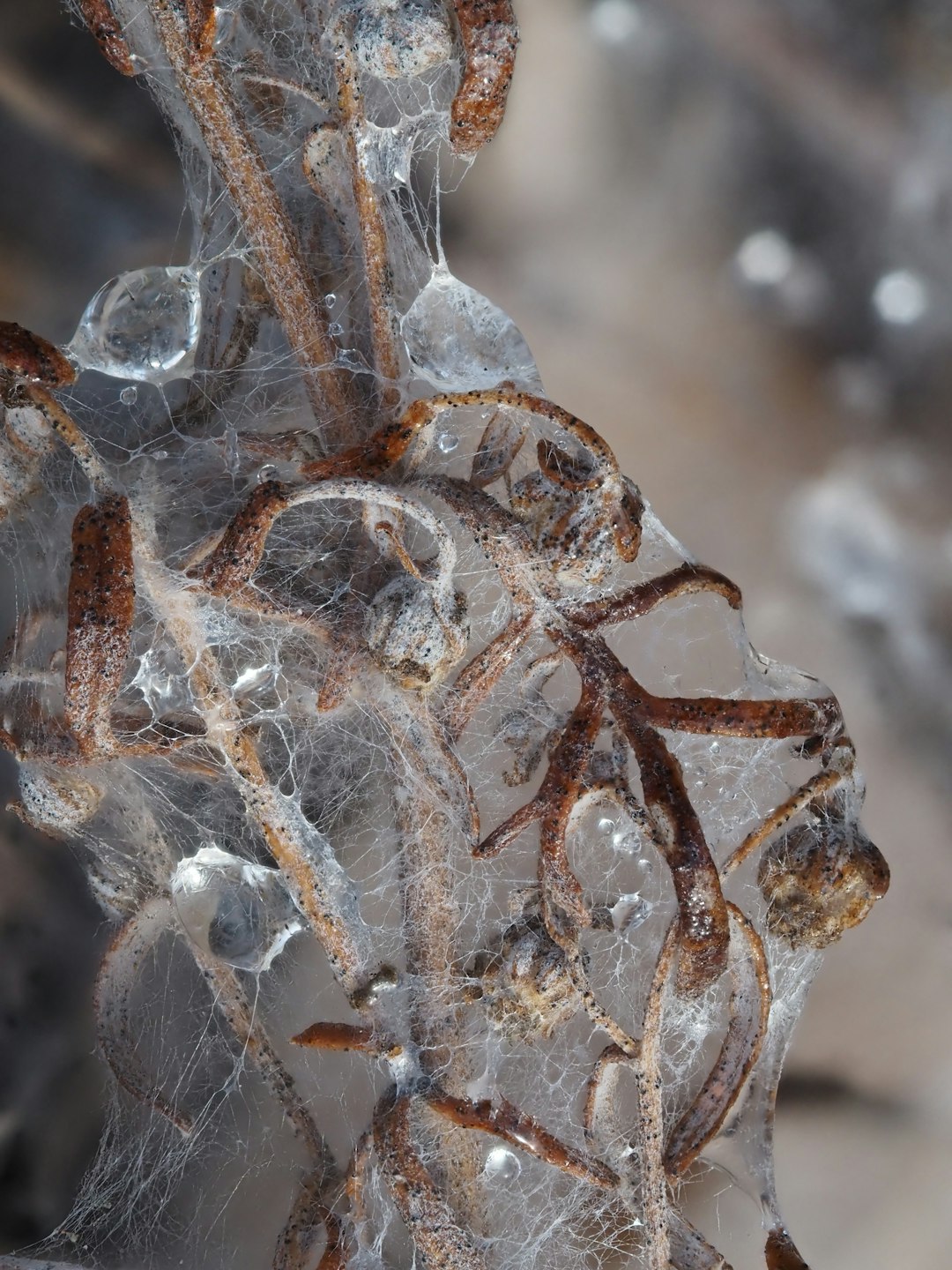
But what happens when temperatures drop? While cold weather can slow down their lifecycle, it doesn't necessarily eliminate them. Some species have adapted to survive winter by going dormant or hiding in protected areas. Have you ever noticed them reappearing in spring? That’s their survival strategy at work.
Habitat Preferences
Spider mites have specific habitat preferences that help them thrive. They love dry, warm conditions and often infest indoor plants or greenhouses during colder months. So, if you have houseplants, keep an eye on them during winter.
Outside, they tend to favor dusty environments. You might find them on the underside of leaves where they can stay hidden from predators. Did you know that spraying leaves with water can sometimes deter them? It’s a simple trick that uses their habitat preference against them.
Are you taking steps to protect your plants from these persistent pests? Understanding their habits can be the first step in safeguarding your garden year-round.
Cold Weather Impact
Spider mites are tiny pests that can wreak havoc on plants. Cold weather brings challenges to their survival. Understanding how cold impacts these mites is crucial for gardeners. This section explores their resilience during colder months.
Temperature Tolerance
Spider mites display surprising tolerance to cold temperatures. They can endure cooler climates without immediate harm. However, extremely low temperatures can threaten their survival. Short cold spells may not be enough to eliminate them. They often find sheltered spots to avoid the chill.
Adaptation Mechanisms
Spider mites have developed unique adaptation mechanisms. They produce a protective coating to withstand cold. This helps them survive until warmer weather returns. Their ability to find refuge in plant debris also aids survival. These clever adaptations make them persistent pests.
Survival Strategies
Spider mites are tiny pests known for damaging plants. As cold weather approaches, they employ various survival strategies to endure the harsh conditions. These strategies are crucial for their survival during winter months. Let's explore how spider mites adapt through behavioral adjustments and physiological changes.
Behavioral Adjustments
Spider mites seek shelter in protected areas. They hide under leaves, bark, and soil to avoid cold temperatures. This behavior helps them stay warm and safe. Staying inactive is another strategy. Reduced movement conserves their energy during chilly days. They focus on staying alive rather than searching for food.
Physiological Changes
Spider mites undergo physiological changes to survive cold weather. They produce antifreeze proteins. These proteins prevent their cells from freezing. Their bodies also adapt by slowing down metabolism. A slower metabolism reduces energy needs, helping them survive with less food. These changes increase their chances of enduring winter.
Environmental Influences
Spider mites are tiny pests that can damage plants. Their survival depends on environmental influences. Factors like humidity and shelter play a key role. Understanding these can help manage their presence during cold weather.
Role Of Humidity
Humidity affects spider mites' survival. These pests prefer dry conditions. High humidity can reduce their numbers. In cold weather, indoor heating reduces humidity. This creates a favorable environment for them. Monitoring humidity levels can help control mite populations.
Impact Of Shelter
Shelter provides warmth and protection for spider mites. They often hide under leaves or in plant crevices. During cold weather, they seek shelter indoors. Warm, sheltered areas help them survive harsh conditions. Reducing their hiding spots can limit their spread.
Preventive Measures
Spider mites are persistent garden pests. They thrive in warm conditions. Cold weather might slow them down. Yet, they can still survive. Implementing preventive measures is crucial. These strategies can protect your garden effectively.
Gardening Techniques
Healthy plants resist pests better. Start by keeping your garden clean. Remove dead leaves and debris. This reduces hiding spots for spider mites. Rotate crops annually to disrupt their life cycle. Use companion planting to deter them naturally. Basil, mint, and garlic repel many pests, including spider mites.
Use Of Pesticides
Pesticides can control spider mite populations. Choose organic options for safety. Neem oil is a popular choice. It disrupts mites' feeding and reproduction. Insecticidal soap is another effective solution. It kills mites on contact. Always follow label instructions for best results. Apply pesticides in the early morning or late afternoon. This prevents plant damage from sunlight. Be consistent with your applications to maintain control.
Research Insights
Spider mites are tiny pests that can devastate plants. Understanding their survival in cold weather is crucial. Recent studies offer valuable insights into their resilience. These insights help farmers and gardeners protect their plants during winter.
Recent Studies
Recent research shows spider mites can survive cold temperatures. They enter a dormant state to endure the cold. This state helps them conserve energy and survive until warmer weather returns. Scientists have found that some spider mite species are more cold-tolerant than others. This knowledge helps in developing better pest control strategies.
Future Directions
Future research aims to understand spider mite genetics better. Scientists want to know what makes some mites more cold-tolerant. This research could lead to new methods to combat spider mite infestations. It could also improve predictions of spider mite behavior in different climates. These advancements will aid in creating more effective pest management plans.
Frequently Asked Questions
Can Spider Mites Survive In Winter?
Spider mites can survive winter by entering a dormant state. This state helps them withstand cold temperatures. They often hide in plant debris or soil. This behavior protects them from freezing conditions. It's essential to manage them before winter to prevent infestations.
How Cold Is Too Cold For Spider Mites?
Spider mites struggle to survive in temperatures below 20°F. However, they can tolerate cold by hiding in protected areas. Their survival depends on how long and how cold it gets. Mild winters may not eliminate them completely.
Do Spider Mites Die In The Cold?
Cold weather can kill many spider mites, but not all. They can enter a dormant state to survive. This makes cold temperatures less effective at eliminating them. Regular monitoring and control measures are crucial.
What Temperature Kills Spider Mites?
Temperatures below 20°F can kill spider mites, especially prolonged exposure. However, they often find sheltered spots. These spots shield them from extreme cold. It's important to combine cold with other control methods.
Conclusion
Spider mites can survive cold weather with ease. They hide in plant debris. This gives them protection from the cold. Cold temperatures slow their activity. But they remain alive. It's important to control them early. Remove plant debris and clean gardens.
This prevents spider mites from thriving. Natural predators can help reduce their numbers. Keep plants healthy and well-watered. This makes them less vulnerable. Regular monitoring is key. Watch for signs of spider mites. Take action quickly if needed. This helps protect your plants year-round.
Stay vigilant and your garden will flourish.