Can Dogs Survive Outside in Cold Weather?
As the cold winds start to blow, you might find yourself wondering about your furry friend's well-being in the chilly outdoors. Your heart tells you they’re tough and resilient, but is that enough when temperatures drop?
The comfort and safety of your beloved dog during winter months are not just about thick fur coats. It's about understanding their needs and ensuring they remain healthy and happy, even as the mercury plunges. Are you giving your dog the right protection against the cold?
Dive into this article to discover the critical insights and expert advice that will help you make the best decisions for your dog's winter care. Your four-legged companion depends on you, and this knowledge could make all the difference in their winter survival.
Cold Weather Challenges For Dogs
Cold weather presents unique challenges for dogs. Each dog reacts differently to cold. Some breeds handle cold well. Others struggle when temperatures drop. Cold weather can affect dogs' health. It's crucial to understand these challenges. This helps in keeping your dog safe.
Breed-specific Tolerance
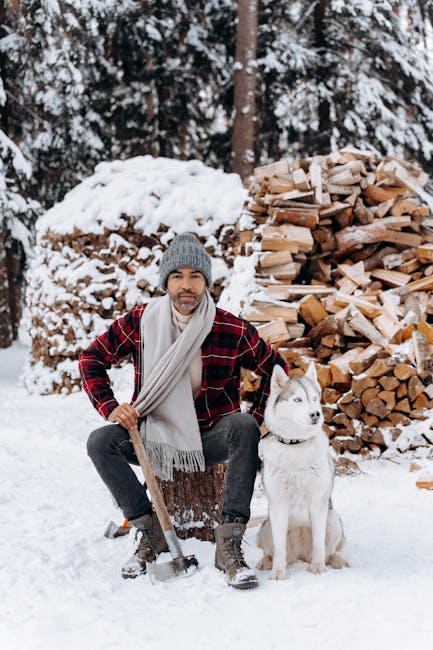
Different breeds have varying cold tolerance. Huskies and Malamutes thrive in the cold. They have thick, double-layered coats. Chihuahuas and Greyhounds feel cold more. Their thin fur offers little warmth. Knowing your dog's breed tolerance is key. It guides how you prepare for cold weather.
Age And Health Factors
Young and old dogs face cold differently. Puppies and older dogs are more vulnerable. They can't regulate body temperature well. Health conditions also affect cold tolerance. Arthritis and heart disease can worsen in cold. Keep these factors in mind during winter.
Signs Of Cold Stress
Recognizing cold stress is important. Shivering is a clear sign. Your dog might lift paws off cold ground. Excessive whining or barking indicates discomfort. Pay attention to changes in behavior. These signs mean your dog needs warmth.
Preparing Dogs For Cold Weather
As the chill of winter sets in, it's crucial to ensure your furry friend is prepared for the cold weather. Just like humans, dogs can feel the bite of frost and need extra care to stay comfortable. Preparing your dog for cold weather involves more than just keeping an eye on the thermostat. It means ensuring they have a warm shelter, proper bedding, and appropriate clothing. This preparation not only keeps them safe but also enhances their outdoor experience during the colder months.
Appropriate Shelter
Dogs need a place where they can escape the cold wind and snow. A sturdy shelter acts as their sanctuary. Have you thought about how insulated your dog's house is? A well-insulated shelter can make all the difference. Ensure the dog house is elevated from the ground to avoid moisture. Add a flap to the entrance to keep out drafts, and make sure it's spacious enough for your dog to move around comfortably.
Insulating Bedding
The right bedding can transform a chilly night into a cozy retreat for your dog. Think about using straw or cedar shavings as bedding, which are excellent for insulation. They trap heat and provide a soft surface for your dog to lie on. Consider adding an extra blanket for warmth. Ask yourself, does your dog have enough layers to shield them from the cold ground?
Clothing And Gear
Just like you bundle up in winter, your dog can benefit from extra layers too. A doggie sweater or coat can protect against low temperatures. Choose clothing that fits snugly but doesn't restrict movement. Don't forget about their paws—booties can protect against ice and salt. Are you considering reflective gear for those dark winter walks? It's a good safety measure to ensure your pup is visible.
Preparing your dog for cold weather doesn't need to be overwhelming. It’s about taking simple, thoughtful steps to ensure their comfort and safety. Your dog’s happiness in winter is a reflection of the care you provide. Are they ready to face the winter chill with confidence?
Nutritional Needs In Winter
As temperatures drop, a dog's nutritional needs can change. Providing the right diet is essential for their health. Dogs exposed to cold weather burn more calories. They require specific nutrients to maintain energy and warmth. Understanding these needs can help keep your furry friend healthy and happy during winter.
Caloric Intake Adjustments
Winter demands more energy from a dog. Their bodies work harder to stay warm. Increasing caloric intake is crucial. Dogs may need up to 30% more food. Always consult a vet before making changes. Each dog's needs can vary.
Hydration Importance
Cold weather can lead to dehydration. Snow and ice are not adequate water sources. Ensure your dog has access to fresh water. Check water bowls frequently for ice. A hydrated dog maintains better health and energy.
Supplements And Vitamins
Consider adding supplements to your dog's diet. Omega-3 fatty acids support healthy skin and coat. Vitamin E can boost immune function. Always seek advice from a vet before adding supplements. These additions can enhance your dog's winter resilience.
Exercise And Outdoor Time
Exercise and outdoor time are essential for dogs, even in cold weather. Dogs need physical activity to stay healthy and happy. But it's crucial to ensure their safety during chilly days. Understanding how to manage their outdoor time can help protect them from harsh conditions.
Safe Outdoor Activities
Engage your dog in activities that keep them moving. Play fetch to keep their bodies warm. Take brisk walks in safe areas. Use toys that are easy to find in the snow. This keeps their minds active and bodies moving. Ensure pathways are free from ice to prevent slips.
Limiting Exposure Time
Keep outdoor sessions short and sweet. Dogs can get cold quickly, even with fur. Break outdoor time into shorter periods. This helps prevent overexposure to cold. Always bring them in for a warm-up break.
Monitoring Behavior
Watch your dog for signs of discomfort. Shivering or lifting paws could mean they're cold. If they seem anxious or refuse to move, bring them inside. Always monitor their behavior closely. Stay attentive to ensure their safety and comfort.
Health Risks In Cold Weather
As temperatures drop, dogs face various health risks in cold weather. Their fur provides some protection, but extreme cold can be dangerous. It's crucial for dog owners to understand these risks to keep their pets safe. Recognizing signs of cold-related issues can prevent serious health problems.
Frostbite And Hypothermia
Frostbite occurs when skin and tissues freeze. It mainly affects ears, paws, and tails. These areas have less fur and more exposure. Symptoms include pale skin, swelling, or blisters. Hypothermia sets in when a dog’s body temperature drops too low. Symptoms include shivering, lethargy, and weakness. Untreated, it can lead to organ failure. Immediate veterinary care is vital.
Respiratory Concerns
Cold air can irritate a dog's respiratory system. Dogs with pre-existing conditions are at higher risk. Signs include coughing, wheezing, or difficulty breathing. Keep your dog warm to prevent these issues. Outdoor time should be limited during extreme cold.
Skin And Paw Care
Cold, dry air can damage a dog's skin. It causes itching and flakiness. Ice and salt on roads can hurt their paws. Check their paws for cracks or redness. Use a pet-friendly balm to protect and soothe. Always clean their paws after walks in the snow.
Emergency Preparedness
When winter arrives, it's crucial to be prepared for the unexpected, especially when it comes to your dog's safety. Emergency preparedness isn't just about having a plan; it's about understanding the signs of distress and knowing what actions to take. Whether you're facing a sudden drop in temperature or unexpected snowfall, being ready can make all the difference in keeping your furry friend safe and healthy.
Cold Weather First Aid
Imagine you're out on a walk, and your dog starts shivering uncontrollably. It's essential to know the basics of cold weather first aid. Have a warm blanket or a jacket ready in your car or backpack. If your dog gets wet, dry them off immediately to prevent hypothermia. Keep a first aid kit handy, including paw balm for cracked paws and a thermometer to check for fever.
Recognizing Emergencies
Do you know how to spot a cold weather emergency with your dog? Watch for signs like excessive shivering, lethargy, or pale gums. These can indicate hypothermia or frostbite. If your dog is refusing to move or seems disoriented, it's time to take immediate action. Sometimes, a simple change in behavior can signal distress, so stay vigilant.
Veterinary Support
In cold weather emergencies, your vet can be your best ally. Establish a relationship with a local veterinary clinic that understands your dog's needs. If you suspect your dog is suffering from severe cold-related issues, don't hesitate to contact them. Many clinics offer emergency services or advice that can be lifesaving. Knowing when to seek professional help is crucial in ensuring your dog's well-being during winter.
How prepared are you for a cold weather emergency with your dog? Taking proactive steps today can ensure peace of mind and safety for both you and your beloved pet during those chilly months.
Myths And Misconceptions
Many believe dogs are naturally equipped for cold weather. But not all dogs can handle freezing temperatures. Myths and misconceptions can put your furry friend at risk. Understanding these myths helps keep your dog safe and warm.
Thick Fur Myths
Many think dogs with thick fur are safe in the cold. This belief is not always true. Some breeds have dense fur, but it doesn't mean they are immune to cold. Dogs can still suffer from frostbite or hypothermia. Their fur provides some protection, but not complete safety.
Outdoor Dog Stereotypes
Some believe all dogs are natural outdoor creatures. This stereotype is misleading. Not every dog is built to withstand the cold. Breeds like huskies may do well, but smaller or short-haired breeds struggle. Each dog has different needs and tolerances.
Winter Coat Misunderstandings
Many assume a winter coat is enough for dogs. But a coat is not always sufficient. It might help with warmth but doesn’t replace other needs. Dogs still need proper shelter and care during cold weather. A coat alone won't ensure their well-being.
Frequently Asked Questions
Can Dogs Handle Cold Weather?
Dogs have varying tolerance levels for cold weather. Factors like breed, size, and coat thickness affect their ability to handle cold temperatures. Small or short-haired breeds may need extra protection, such as jackets, during cold spells. Always monitor your dog's behavior in cold weather to ensure their safety and comfort.
What Temperature Is Too Cold For Dogs?
Temperatures below 32°F (0°C) can be dangerous for dogs, especially smaller breeds. Larger breeds with thick coats may tolerate colder temperatures but still need monitoring. Hypothermia and frostbite are risks when temperatures drop. Always provide shelter and warmth for your dog in extreme cold conditions.
How Long Can Dogs Be Outside In Winter?
The duration dogs can stay outside in winter varies. Generally, limit time to 30 minutes for small or short-haired breeds. Larger, thick-coated dogs may tolerate longer periods. Always monitor your dog's behavior for signs of discomfort. Provide shelter and warmth to ensure their safety in cold weather.
Can Dogs Get Sick From Cold Weather?
Yes, dogs can get sick from cold weather. Prolonged exposure may lead to hypothermia or frostbite. Symptoms include shivering, lethargy, and pale skin. Ensure your dog has proper shelter and warmth during cold months. Regular vet check-ups can help prevent cold-related illnesses.
Conclusion
Cold weather poses risks for dogs living outside. Keep them safe and warm. Provide shelter with insulation. Ensure access to fresh water and nutritious food. Monitor your dog's behavior. Look for signs of discomfort or illness. Plan regular checks. Always bring your dog inside during extreme cold.
Their health and safety come first. Cold weather survival is possible with care and attention. Your furry friend deserves protection. Keep them cozy and healthy. Happy dog, happy life.