Can Golden Retriever Survive in Cold Weather?
Have you ever wondered whether your Golden Retriever can handle chilly weather? As a loving pet owner, ensuring your furry friend stays comfortable and safe is likely a top priority.
When the temperatures drop, it’s natural to be concerned about how well your Golden Retriever can cope. These friendly dogs are known for their thick coats, but do they really have what it takes to thrive in colder climates? You’ll discover everything you need to know about your Golden Retriever’s ability to withstand cold weather.
From understanding their natural adaptations to practical tips that ensure your dog stays warm, you'll find all the information you need to keep your beloved pet happy and healthy during those brisk winter months. Keep reading to uncover insights that could change the way you care for your Golden Retriever in cold weather!
Golden Retrievers And Cold Climates
Golden Retrievers are known for their friendly nature and golden coats. Many wonder if they can handle cold climates. These dogs have a double-layered coat, providing good insulation. Let's explore how well Golden Retrievers adapt to chillier weather.
Why Golden Retrievers Handle Cold
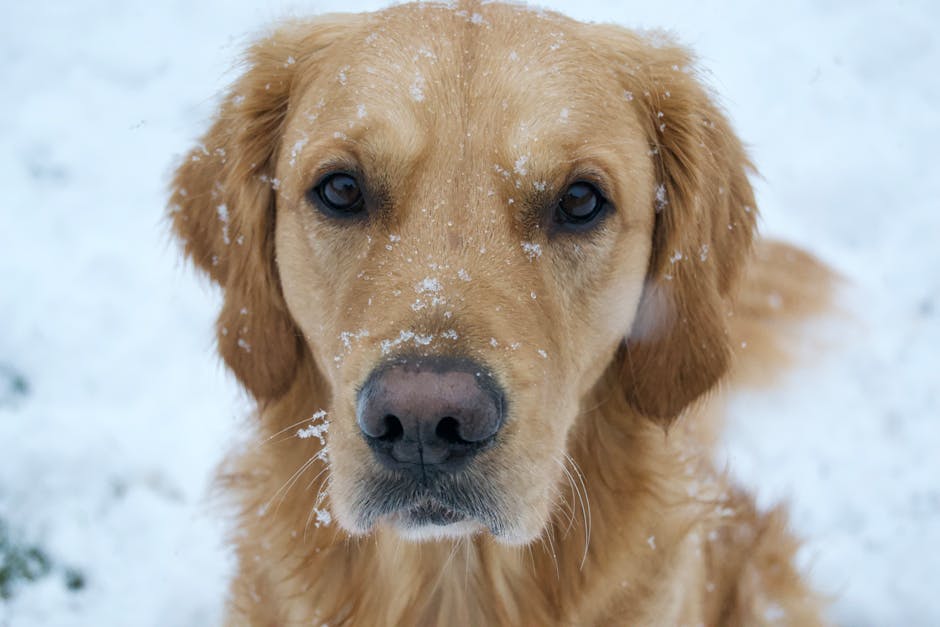
Golden Retrievers have thick fur that traps warmth. Their outer layer repels water and shields from wind. This helps them stay cozy in lower temperatures.
Adapting To Winter Conditions
Golden Retrievers enjoy playing in snow. Their paws are designed to grip icy surfaces. They remain active even during the coldest months.
Protective Measures For Cold
Provide warm shelter for your Golden Retriever. Ensure they have a dry bed to rest on. Limit their time outside during extreme cold.
Signs Of Cold Stress
Watch for shivering or whining. These may indicate discomfort. Check for frostbite on ears and paws. Keep your dog warm and safe.
Physical Adaptations
Golden Retrievers can thrive in cold weather due to their dense, water-repellent double coat. This natural insulation helps them stay warm and comfortable. Additionally, their energetic nature keeps them active, ensuring they maintain body heat during chilly months.
When you think of a Golden Retriever, you might picture a playful companion with a wagging tail. But did you know that these friendly dogs have some incredible physical adaptations that help them thrive in cold weather? Understanding these adaptations can ensure your furry friend stays comfortable during chilly days.
Thick Double Coat
Golden Retrievers boast a dense, double-layered coat that provides excellent insulation. The outer coat repels water, while the inner layer traps heat. This unique feature helps them stay warm even when they’re frolicking in snow. Have you ever noticed how they seem unfazed by icy conditions? It’s all thanks to their natural armor. Regular grooming is essential to maintain this protective layer. Brushing your Retriever not only keeps their coat healthy but also optimizes its insulating properties.
Body Fat And Warmth
Golden Retrievers naturally carry a bit more body fat compared to other breeds. This extra fat acts as a built-in heater, helping them retain warmth. Think of it as an internal blanket that keeps the chill at bay. You might be surprised to know that a balanced diet plays a role in maintaining this warmth. Ensuring your dog has the right nutrients can support their natural ability to stay cozy in cold temperatures. So, as winter approaches, how can you leverage these adaptations to keep your Golden Retriever comfortable? Embrace their natural gifts by supporting their physical needs with proper care and attention.
Behavioral Adaptations
Golden Retrievers are known for their friendly nature and adaptability. But when the temperature drops, you might wonder how they manage to stay comfortable. Behavioral adaptations play a crucial role in helping these lovable dogs thrive in cold weather. Let's explore how they adjust their behaviors to stay warm and safe.
Seeking Shelter
Golden Retrievers instinctively seek shelter to protect themselves from harsh weather. They are likely to find cozy spots indoors or in a warm, insulated dog house outside. You might notice them curling up next to the fireplace or snuggling into blankets. This behavior minimizes exposure to cold and maintains their body warmth.
Consider how your retriever might benefit from an additional layer of warmth. Placing a soft bed or blanket in their shelter can enhance comfort. If you have a garage, make sure it's not drafty, providing a safe haven during chilly nights.
Activity Levels In Winter
During winter, Golden Retrievers may adjust their activity levels. You might observe them being less eager to play fetch outdoors when it's freezing. However, a brisk walk or indoor playtime can keep them active without exposing them to extreme cold.
Encourage your retriever to engage in moderate exercise. This keeps their muscles warm and helps maintain a healthy weight. Have you tried interactive toys or puzzle games? These can be a great way to keep their minds sharp while staying indoors.
Do you notice your retriever’s energy levels dropping? It's normal for them to prefer resting more often during colder months. Listen to their cues and adjust activities accordingly. Balancing exercise with rest ensures they remain happy and healthy.
How do these behaviors resonate with your experiences? Observing and understanding your Golden Retriever’s needs can lead to a comfortable winter for both of you. Always prioritize their safety and well-being as you enjoy the season together.
Potential Risks In Cold Weather
Golden Retrievers can handle cold weather, but not extreme conditions. Thick fur helps, but they need protection. Watch out for frostbite and keep them warm.
Cold weather can be a challenge for Golden Retrievers, despite their thick fur coats. While they may seem perfectly equipped for chilly climates, there are potential risks you should be aware of to keep your furry friend safe. Understanding these risks is crucial for your pet's health and well-being during the winter months.
Hypothermia
Hypothermia is a serious risk for Golden Retrievers in cold weather. It occurs when their body temperature drops below normal, which can happen faster than you think. You might notice symptoms like shivering, lethargy, or even weakness. To prevent hypothermia, limit your dog's time outside when temperatures plummet. Always ensure they have a warm, sheltered place to retreat to. Remember, if you feel cold, your dog probably does too.
Frostbite
Frostbite is another risk you need to watch for. It affects the extremities, like paws and ears, where blood flow is reduced in cold conditions. Signs include pale skin and a cold, hard feel to the affected area. To protect your Golden Retriever, check their paws and ears after playing outside. Consider using protective gear like booties or jackets. This simple step can make a big difference in their comfort and safety. Have you ever wondered if your dog is truly enjoying the snow, or if they're just trying to keep up with you? Pay attention to their behavior and adjust your activities accordingly. Your awareness can help prevent these cold-weather risks and keep your pet happy and healthy.
Winter Care Tips
Golden Retrievers are known for their friendly nature and beautiful coats. They can handle cold weather, but need special care during winter. Proper grooming, clothing, and outdoor management are key. These tips ensure their safety and happiness in the cold months.
Proper Grooming
Keep your Golden Retriever’s coat clean and tangle-free. Brush their fur often to remove loose hair. This helps in maintaining natural oils for warmth. Trimming is not necessary. Their double-layered coat provides good insulation. Check their paws for ice and snow buildup. This prevents discomfort and injuries.
Winter Clothing
Consider using winter clothing for extra warmth. Sweaters or coats are useful in extreme cold. They protect against harsh winds and snow. Choose clothing that fits well and is comfortable. Make sure it doesn’t restrict movement. Always check if your dog seems comfortable wearing clothes.
Outdoor Time Management
Limit the time your dog spends outside in freezing temperatures. Short, frequent walks are better than long ones. Pay attention to their behavior for signs of cold. Shivering or lifting paws are signs to bring them inside. Always have a warm and dry area for them to rest after walks.
Nutrition And Hydration
Golden Retrievers are adored for their loyalty and gentle nature. In colder climates, they need special care. Nutrition and hydration play a vital role. These aspects ensure they stay healthy and energetic.
Feeding For Energy
Cold weather demands more energy from Golden Retrievers. They burn calories to keep warm. Feeding them high-energy food helps maintain their weight. Choose foods rich in proteins and fats. Quality dog food brands offer balanced nutrition. Consult your vet for recommendations. They may suggest adding supplements. A healthy diet boosts their immune system.
Ensuring Proper Hydration
Hydration is crucial for Golden Retrievers in cold weather. Cold temperatures can lead to dehydration. Ensure they have access to fresh water. Check their water bowls often. Ice can form, making it hard to drink. Warm water encourages drinking. You can add a bit of broth for flavor. Dehydration can cause health issues. Keep an eye on their water intake. Adjust it based on activity levels.
Indoor Exercise Ideas
Golden Retrievers are known for their friendly nature and energy. They thrive on physical activities and companionship. But during cold weather, outdoor play might not be possible. Indoor exercise becomes essential to keep them active and healthy. Here are some engaging indoor exercise ideas for your furry friend.
Games And Activities
Playing fetch indoors can be a great option. Use a soft ball or toy. Ensure there is enough space to avoid accidents. Tug-of-war is another fun game. Use a sturdy rope toy for this activity. It helps in building strength and bonding with your dog.
Hide and seek offers great physical activity. Hide treats or toys around the house. Encourage your Golden Retriever to find them. This game keeps them active and entertained.
Mental Stimulation
Puzzle toys are excellent for mental exercise. They challenge your dog's brain and keep them engaged. Choose puzzles suitable for your Golden Retriever's skill level.
Teaching new tricks can also stimulate their mind. Simple commands like "sit" or "stay" can be fun. Reward them with treats for motivation. This helps in strengthening their cognitive skills.
Interactive toys can also provide mental stimulation. Toys that dispense treats are particularly engaging. They keep your dog busy for extended periods.
Frequently Asked Questions
Can Golden Retrievers Adapt To Cold Climates?
Golden Retrievers can adapt to cold climates due to their thick double coat. This coat provides insulation against the cold. However, they still need protection during extreme cold. Always ensure they have a warm shelter and limit their time outside in freezing temperatures.
How Does Cold Weather Affect Golden Retrievers?
Cold weather can affect Golden Retrievers by causing discomfort or even hypothermia. Their paws may also become cracked from ice. Ensure they are dry and warm after outdoor activities. Consider using dog booties to protect their paws during walks on icy surfaces.
What Precautions Should I Take For My Golden Retriever?
To protect your Golden Retriever in cold weather, limit outdoor exposure and provide a warm shelter. Use a dog coat for extra warmth during walks. Always dry their coat and paws after being outside. Regular vet check-ups can help monitor their health during colder months.
Do Golden Retrievers Need Coats In Winter?
Golden Retrievers have a natural double coat for warmth, but a winter coat can provide extra protection. It is especially useful in extreme cold or for older dogs. A coat can prevent snow from sticking to their fur and keep them comfortable during longer outdoor activities.
Conclusion
Golden Retrievers are well suited for cold weather. Their thick fur keeps them warm. Exercise is key to their health in winter. Regular outdoor play helps them stay fit. Monitor their paws for ice and snow. Offer warm shelter for comfort.
Keep their diet balanced for energy. Hydration is crucial even in cold months. Watch for signs of discomfort or illness. They adapt well with proper care. Your furry friend thrives with love and attention. Enjoy winter adventures together. Safety first, always.
Your bond strengthens in all seasons. Embrace the joys of winter with your loyal companion.